Leave Your Message
Precision-engineered photoinitiators designed for cardiovascular medical device coatings, UV-curable adhesives, and biomedical polymer systems.
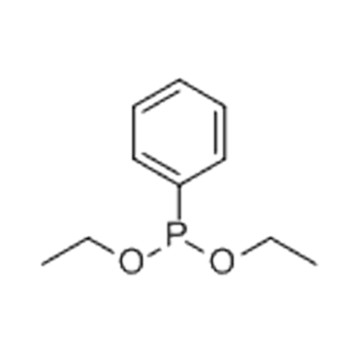
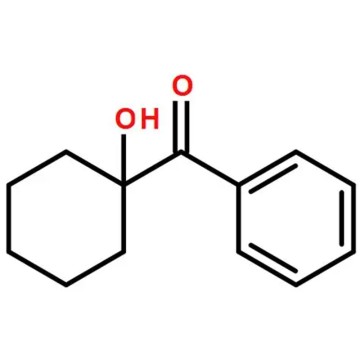
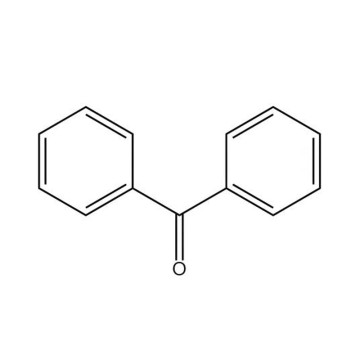
UV photoinitiators are specialized chemical compounds that absorb ultraviolet light energy and generate reactive species — typically free radicals or cations — that trigger rapid polymerization of monomers and oligomers. In the cardiovascular medicine sector, this technology has emerged as a transformative platform enabling the precise fabrication of polymer-based medical devices, hydrogel scaffolds, bioadhesives, and drug-eluting coatings.
Cardiovascular disease (CVD) remains the world's leading cause of mortality, accounting for over 17.9 million deaths annually according to the WHO. The urgent need for advanced interventional tools — including stents, vascular grafts, heart valve prostheses, cardiac patches, and catheter coatings — has driven enormous demand for UV-curable chemistry that can deliver biocompatible, precisely structured polymer systems under controlled, rapid processing conditions.
Unlike thermal curing, UV-initiated polymerization proceeds at or near room temperature, making it ideal for incorporating thermally sensitive bioactive molecules such as growth factors, anticoagulants, or drug payloads directly into cardiovascular device coatings without degradation.
UV photoinitiators enable millisecond-to-second curing of cardiovascular polymer systems at ambient temperature, preserving biological activity of drug payloads and reducing thermal damage to delicate substrate materials used in cardiac implants and vascular prostheses.
The global UV-curable materials market for medical applications is projected to exceed USD 1.8 billion by 2030, with cardiovascular applications representing one of the fastest-growing segments driven by aging populations and rising minimally invasive procedure volumes worldwide.
UV photoinitiators are enabling a new generation of cardiovascular treatment technologies across multiple clinical and industrial application domains.
Drug-eluting stents (DES) rely on UV-curable polymer coatings to precisely control the release kinetics of antiproliferative drugs such as sirolimus and paclitaxel. Photoinitiators like TPO-L and Benzophenone enable the rapid photocrosslinking of biodegradable polymer matrices (e.g., PLGA, PCL) directly onto metal stent surfaces, achieving uniform, defect-free coatings with tunable drug release profiles that significantly reduce in-stent restenosis rates.
Photo-crosslinked hydrogels are emerging as promising materials for myocardial infarction (MI) repair. UV photoinitiators initiate the gelation of injectable hydrogel precursors — such as methacrylated hyaluronic acid (HAMA) or gelatin methacryloyl (GelMA) — directly in the cardiac tissue environment via minimally invasive delivery. These scaffolds provide mechanical support to the infarcted myocardium, promote angiogenesis, and serve as carriers for stem cells or growth factors.
Interventional cardiology procedures rely on catheters and guidewires with UV-cured hydrophilic lubricious coatings that minimize vascular trauma and thrombogenicity. Photoinitiators such as Photoinitiator 184 (Irgacure 184) enable the rapid UV-curing of polyvinylpyrrolidone (PVP) or polyethylene glycol (PEG)-based coatings onto catheter surfaces, delivering consistent low-friction performance critical for complex coronary and peripheral vascular interventions.
UV-activated tissue adhesives and surgical sealants represent a rapidly growing application for photoinitiators in open-heart and minimally invasive cardiac surgery. Photo-crosslinkable bioadhesives based on modified polyethylene glycol (PEG) or fibrin-mimetic polymers provide strong, hemostatic bonds to cardiac tissue, replacing or augmenting traditional sutures in procedures such as aortic repair, ventricular septal defect closure, and valve replacement surgery.
Synthetic vascular grafts fabricated from ePTFE or Dacron require surface modifications to improve endothelialization and reduce thrombogenicity. UV photoinitiator-mediated surface grafting allows the covalent attachment of bioactive molecules — including heparin, RGD peptides, and endothelial growth factors — to graft surfaces under mild, spatially controlled conditions. This approach significantly improves long-term patency rates, particularly in small-diameter vascular graft applications below 6mm.
Stereolithography (SLA) and digital light processing (DLP) 3D bioprinting technologies leverage UV photoinitiators to fabricate patient-specific cardiovascular structures with unprecedented geometric precision. Researchers are using TPO-L and acylphosphine oxide photoinitiators to print complex coronary artery models for surgical planning, bioprinted heart valve leaflets, and vascularized myocardial tissue constructs for regenerative medicine applications and drug screening platforms.
The intersection of UV photoinitiator chemistry and cardiovascular medicine is generating significant commercial momentum globally.
The global cardiovascular medical devices market surpassed USD 58 billion in 2024 and is expected to grow at a CAGR of 6.8% through 2032. UV-curable polymer systems are gaining market share as device manufacturers seek faster manufacturing cycles, improved coating uniformity, and reduced solvent use compared to traditional thermal or solvent-based coating technologies.
The shift toward solvent-free, low-VOC UV-curable systems aligns with tightening global environmental regulations including EU REACH, FDA 21 CFR, and ISO 10993 biocompatibility standards. Photoinitiators such as TPO-L (with REACH certification obtained in 2025) are increasingly preferred by medical device manufacturers seeking compliant, sustainable chemistry platforms for cardiovascular applications.
Leading cardiovascular device manufacturers are deploying machine learning algorithms to optimize UV photoinitiator concentrations, wavelength selection, and irradiation parameters for specific polymer-substrate combinations. This data-driven approach is dramatically reducing development timelines for new cardiovascular coating formulations from months to weeks.
A critical frontier in cardiovascular applications is the development of visible-light photoinitiators (400–700nm) that enable in vivo or trans-tissue photopolymerization. These systems allow minimally invasive delivery of liquid polymer precursors that cure upon exposure to visible or near-infrared light delivered via optical fibers, opening new possibilities for endovascular sealing and in situ scaffold formation.
Medical device OEMs are increasingly partnering directly with specialty chemical manufacturers to secure high-purity, biocompatibility-tested photoinitiator supplies. Companies like Suzhou Shunyida Chemical Technology Co., Ltd. are strategically positioned to serve this demand with certified, high-purity photoinitiator intermediates and finished products manufactured under rigorous quality standards.
China has emerged as the world's dominant producer of photoinitiator intermediates, accounting for over 70% of global supply. Chinese manufacturers with certified quality systems and international regulatory compliance (REACH, ISO) are increasingly supplying European and North American cardiovascular medical device manufacturers seeking cost-competitive, high-quality chemistry inputs.
Established in 2019, Suzhou Shunyida Chemical Technology Co., Ltd. is headquartered in Mudu Ancient Town, a picturesque water town in Suzhou. With over thirty employees, the company has grown significantly over the past seven years, selling nearly 10,000 tons of photoinitiator intermediates and select photoinitiators, generating sales of approximately 100 million yuan.
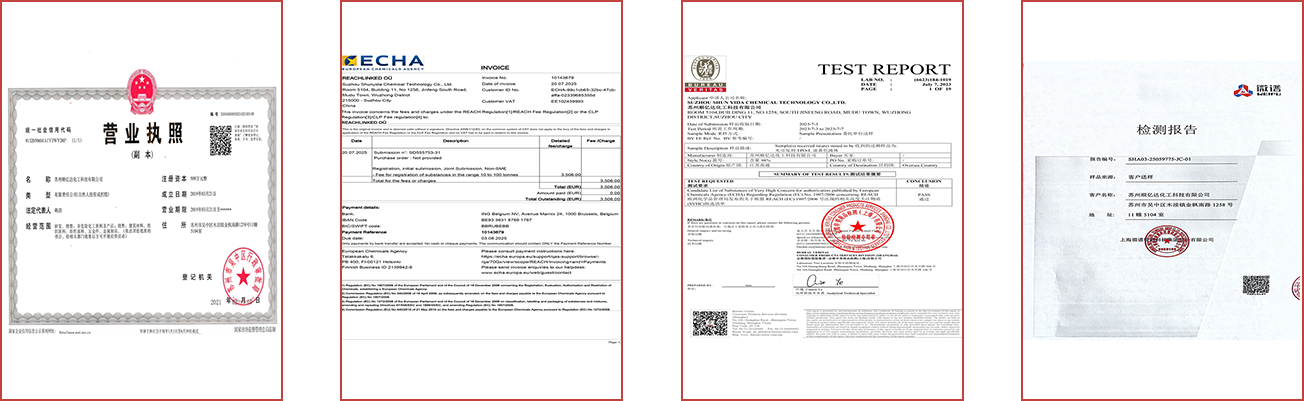
It ranks among the top in the industry for tax contributions and product quality. The company maintains a 100% customer satisfaction rate, zero product returns, and 100% after-sales follow-up rate. In 2025, the company successfully obtained REACH certification for TPO-L 10–100-ton equipment, reinforcing its commitment to serving the global cardiovascular medical device supply chain with fully compliant, high-purity photoinitiator products.
View More
Why leading cardiovascular medical device manufacturers choose SHUNYI as their photoinitiator supply partner.
Our company boasts a team with over a decade of expertise in photoinitiator production, maintaining close business ties with industry leaders. Every batch is rigorously tested to meet pharmaceutical and medical device grade purity standards.
The company maintains warehouses in Shandong and Jiangsu, ensuring timely delivery to domestic and international cardiovascular device manufacturing customers with reliable supply chain continuity.
The production base's continuous manufacturing capability can meet customers' diverse packaging specifications requirements, from laboratory-scale research quantities to full commercial production volumes.
From the production of intermediates, when customers request specific substances in the product, we can promptly address them based on the raw materials and production processes at each stage — critical for cardiovascular R&D timelines.
The company has established a dedicated R&D department, equipped with advanced instruments including infrared spectroscopy, Agilent Shimadzu gas-liquid chromatography, and GC-MS, enabling rigorous characterization of photoinitiator purity and performance.
The company successfully obtained REACH certification for TPO-L 10–100-ton equipment in 2025, enabling compliant supply to European cardiovascular medical device manufacturers and demonstrating commitment to international regulatory standards.
The company has a professional R&D team and a professional team that has been engaged in the production of photoinitiators, epoxy resins, acryloyl chlorides and other fine chemical products for many years.

Latest insights on UV photoinitiator technology, cardiovascular medical applications, and industry developments from SHUNYI.
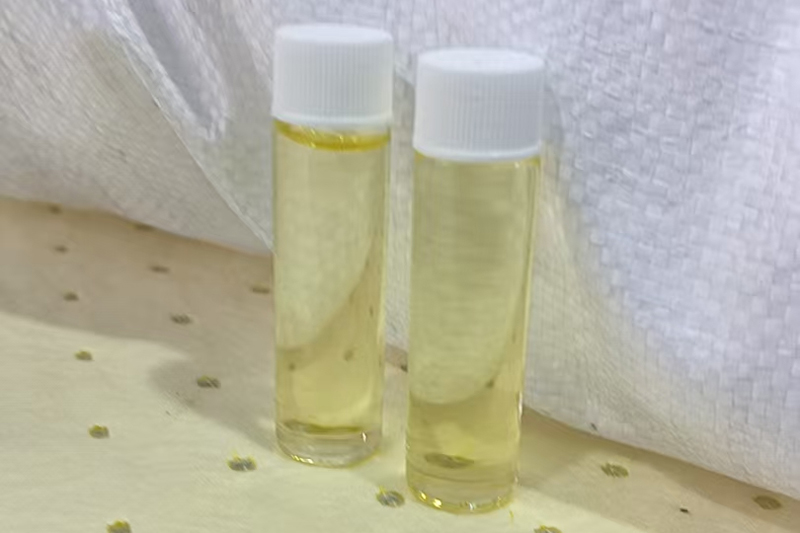
Application prospects of photoinitiator TPO-L in cardiovascular 3D printing and biomedical scaffold fabrication field
Explore more →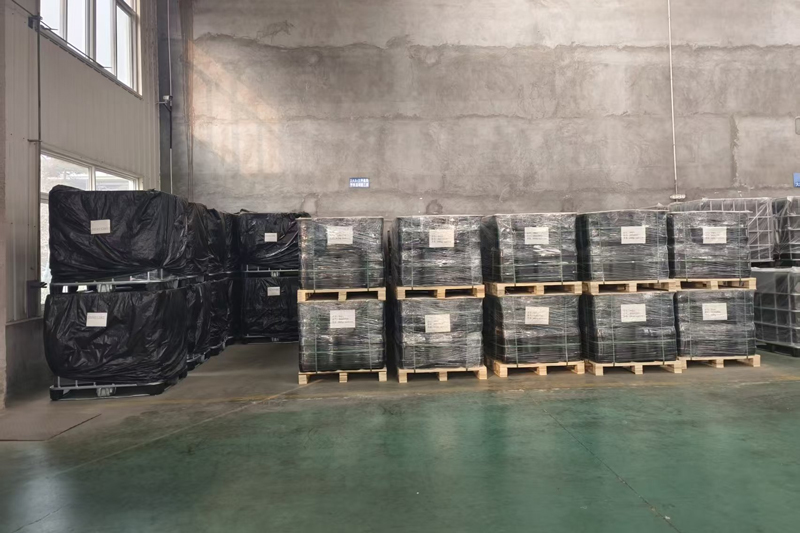
TPO-L photoinitiator supports innovation in the cardiovascular device coatings industry with superior curing efficiency
Explore more →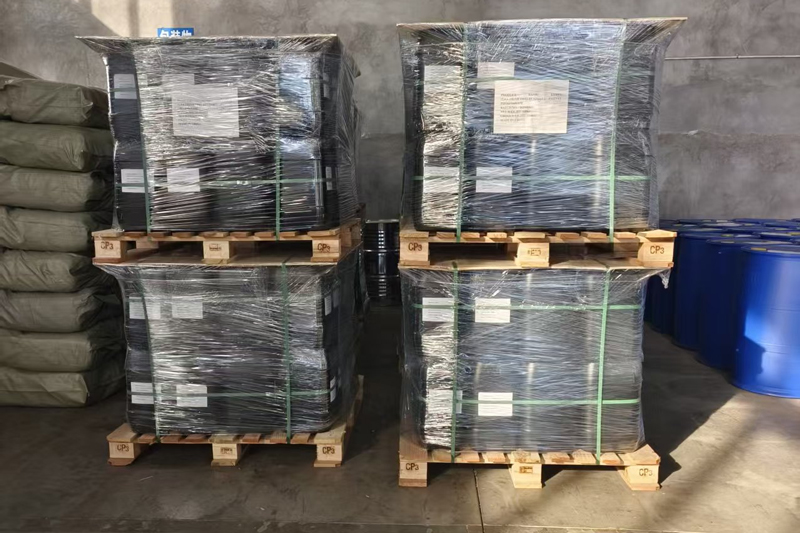
TPO-L photoinitiator successfully replaces TPO, promoting the upgrading of the UV curing industry for medical device manufacturing
Explore more →
The promotion and application of TPO-L photoinitiator helps cardiovascular device enterprises achieve green manufacturing transformation
Explore more →
TPO-L replaces TPO, ushering in a new era of photoinitiators for cardiovascular medical device and biomaterial applications
Explore more →
Innovative application of acryloyl chloride and methacryloyl chloride in the field of cardiovascular surgical adhesives and sealants
Explore more →Explore our full portfolio of high-purity photoinitiators and intermediates for cardiovascular and biomedical applications.