







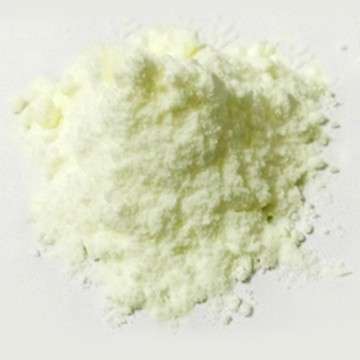
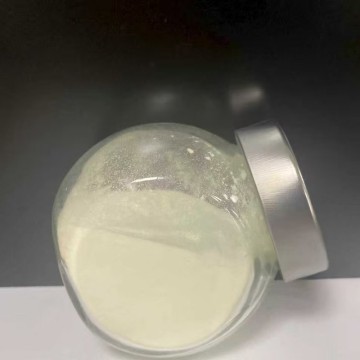
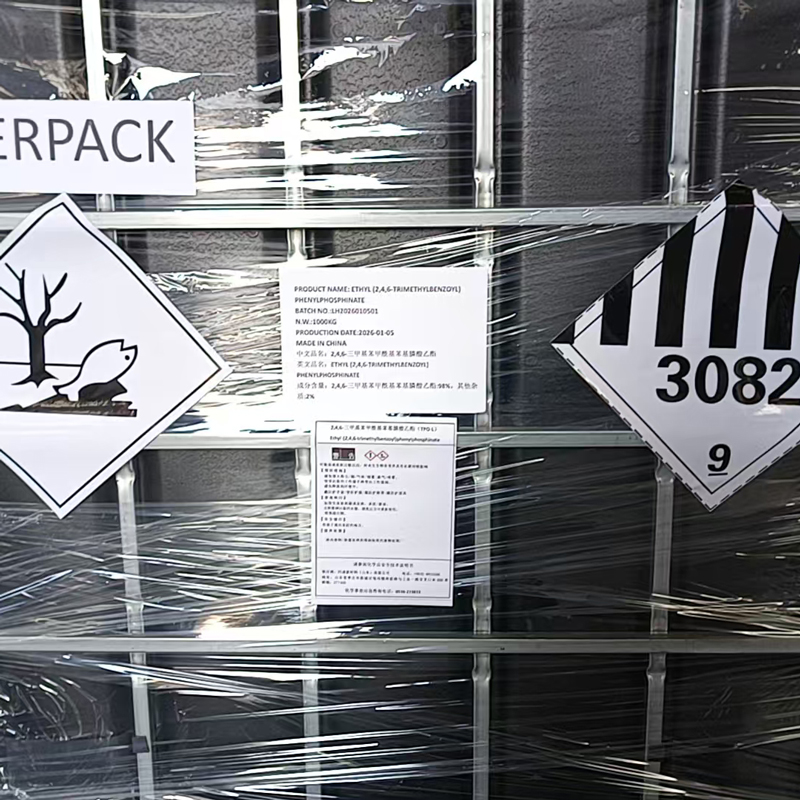
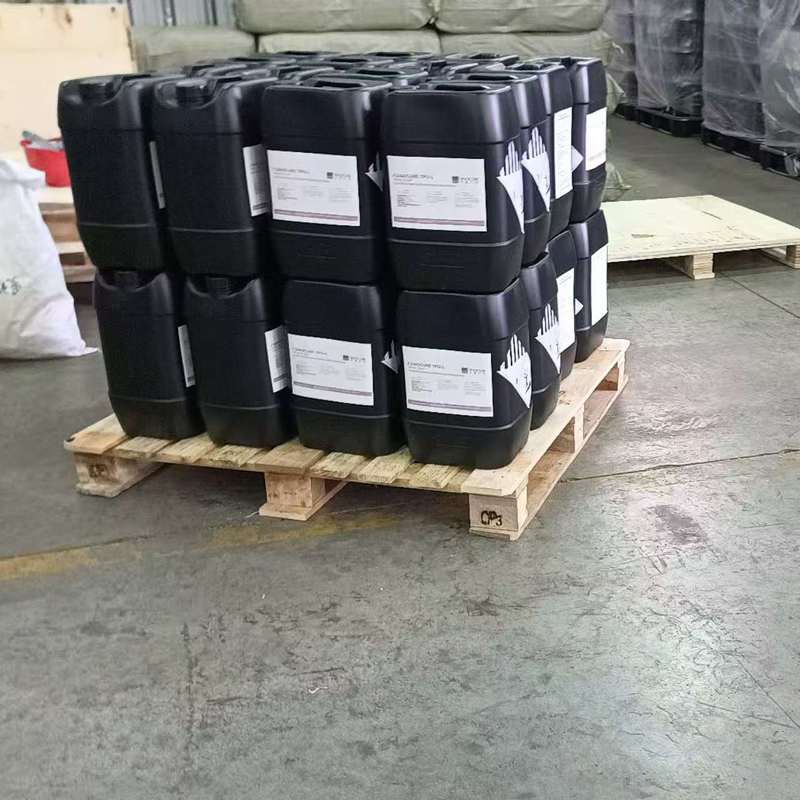
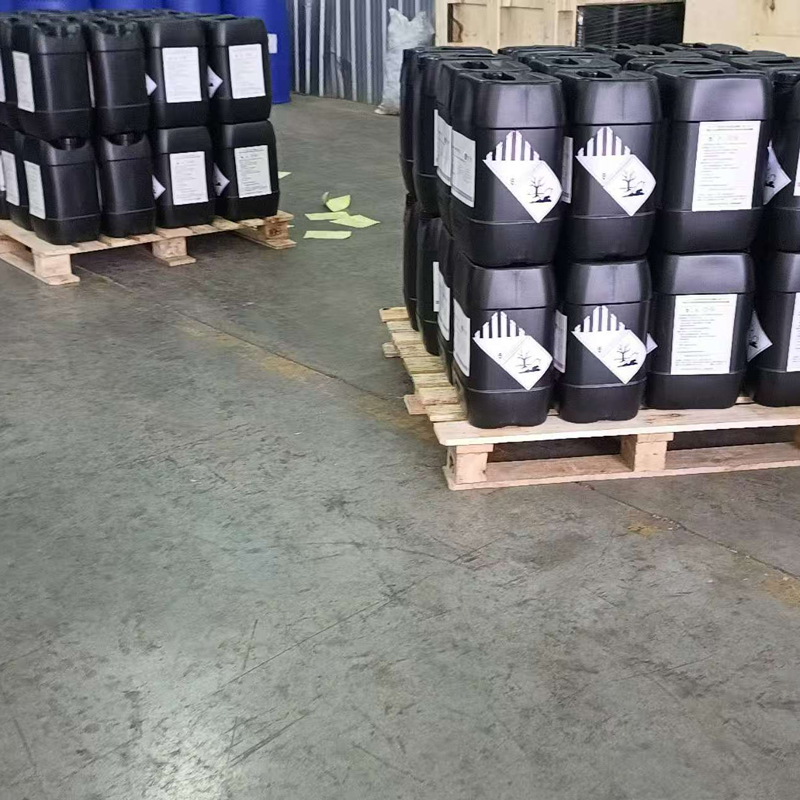
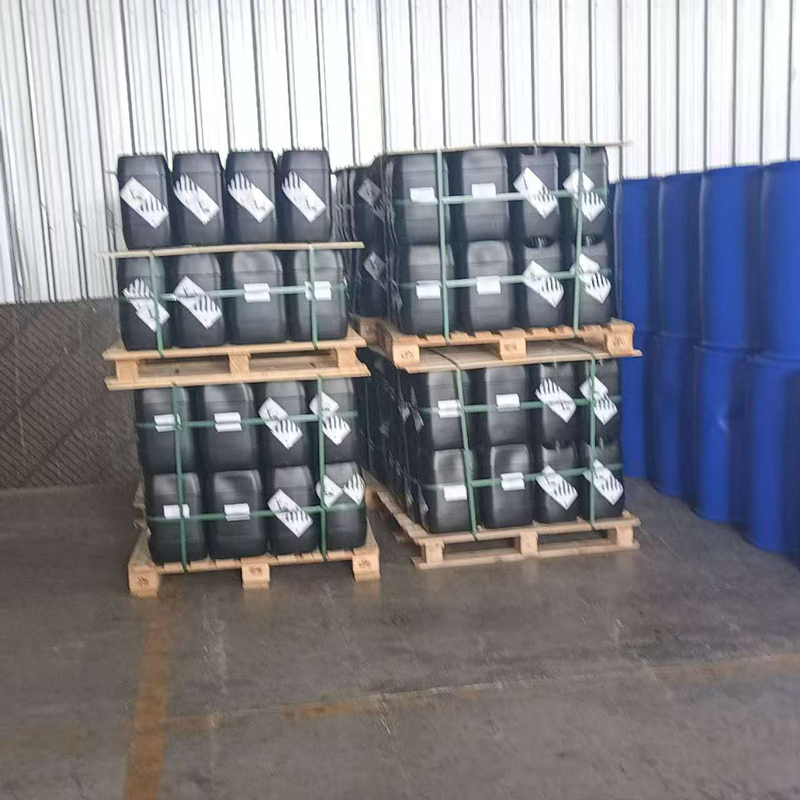
Photoinitiator: Ethyl 2,4,6-trimethylbenzoylphenylphosphonate
Core Features and Advantages
The widespread adoption of TPO-L is primarily attributed to its outstanding performance characteristics:
1. Liquid Form and Usability
① Characteristics: Liquid at room temperature
②Advantages: Easy to mix uniformly in formulations, convenient for use
2. Absorption Wavelength and Depth of Curing
① Characteristics: exhibits strong absorption at 274 nm, 290 nm, and 370 nm
Advantages: Particularly suitable for deep curing of thick coatings and white/high-pigment systems
3. Low yellowing and low odor
① Characteristics: Minimal color change in the cured product, with low inherent odor
② Advantages: Suitable for high-quality finishes such as clear varnish, light-colored paint, and food packaging.
4. Compatibility of Photopolymerization Technology
① Features: Compatible with traditional UV mercury lamps and emerging LED curing light sources
②Advantages: Aligns with industry trends in energy conservation and environmental protection, with broad application scope
Main Application Fields
Given these features, TPO-L is widely used in various industries requiring light-curing technology.
1. Paint
① Applications: Wood coatings, plastic coatings, metal industrial coatings
②Key requirements: deep curing, low yellowing, high surface quality
2. Ink and Printing
① Applications: flexographic printing ink, screen printing ink, offset printing ink, and varnish oil
② Key requirements: rapid curing, low migration, suitable for food contact packaging
3. Emerging and High-Tech Fields
① Applications: 3D printing (e.g., stereolithography), electronic device packaging, nail polish adhesives
② Key requirements: high-precision curing, biocompatibility (e.g., for nail art), and high reactivity
4. Adhesives and Composites
① Applications: UV-curable adhesives, sealants, and composite materials
②Key requirements: rapid positioning, deep curing to bond opaque materials
Market Background and Usage Guidelines
Market Trends: With the implementation of environmental regulations (e.g., EU restrictions on certain photoinitiators) and the widespread adoption of UV-LED technology, TPO-L continues to see growing market demand as a high-performance alternative.
Typical dosage: The recommended amount in formulations is generally 0.5% -5% (by weight), often combined with other photoinitiators (e.g., 1173,184) to achieve optimal synchronous curing of both surface and deep layers.
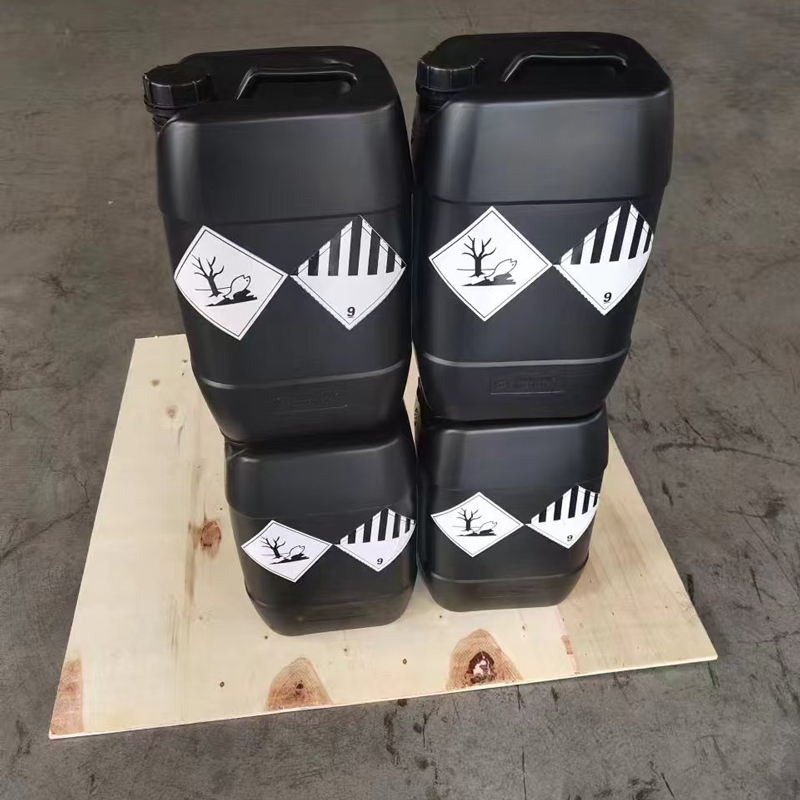
Storage and Safety: Store in a cool, dry place protected from light. The shelf life is typically 2 years. Follow chemical safety regulations during handling.
In summary, TPO-L has emerged as a pivotal component in high-performance light-curing formulations, owing to its multifaceted advantages: liquid applicability, exceptional deep-curing capability, minimal yellowing, and seamless compatibility with LED curing systems. This makes it indispensable across both traditional industries and emerging manufacturing sectors.