







Photoinitiator 184 (yellow resistance)
product description
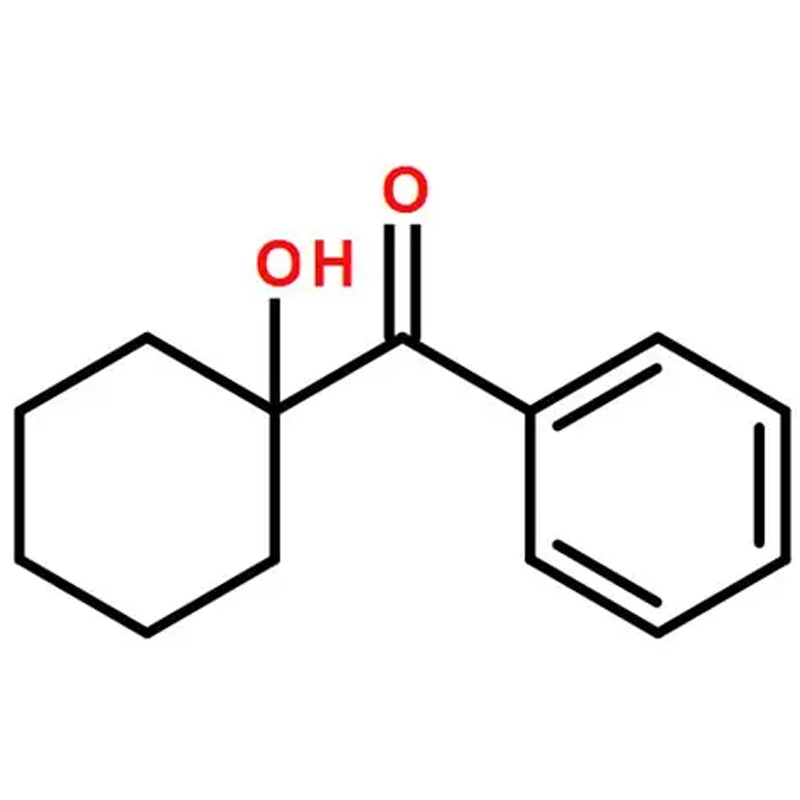
Chemical name 1-hydroxycyclohexylphenylmethanone
The English abbreviation is Irgacure 184 (most widely known by the BASF trade name)
Molecular formula: C₁₃H₁₆O₂
CAS number 947-19-3
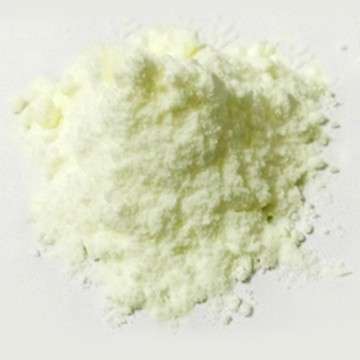
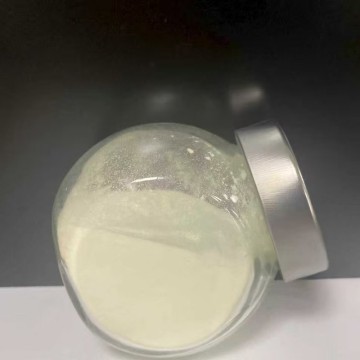
Appearance: White to pale yellow crystalline powder
Core characteristics: Low yellowing, high purity, and volatile photodegradation products. Upon absorption of ultraviolet light (absorption peaks at approximately 246 nm, 280 nm, and 333 nm), it undergoes self-decomposition to generate reactive free radicals.
One Core Advantage and Mechanism
Its core advantage lies in the fact that it produces almost no benzoyl fragments, which cause material yellowing, after photolysis, instead generating volatile small molecules such as cyclohexanone and carbon dioxide. This makes it particularly suitable for systems with extremely high requirements for color and appearance.
Use the field
Due to its low yellowing and high activity, 184 is widely used in the following fields:
1. UV curing system with high color requirements
Applications: High-performance wood coatings (e.g., white or light-colored finishes), plastic coatings (e.g., PVC/ABS surface coatings), photoresists and protective coatings for electronic components (e.g., LCDs, touch screens), fiber optic coatings, and premium UV inks.
Reason: Ensures the cured coating remains clear and transparent without yellowing, maintaining high gloss and appearance over time.
2. UV-curing Adhesive and 3D Printing
Applications: transparent UV adhesive, medical device adhesives, and stereolithography (SLA) 3D printing resins.
Reason: High reactivity ensures curing speed and strength, while low yellowing guarantees the transparency and aesthetic appeal of the printed model.
3. Combination with other photoinitiators
Practice: Often formulated with TPO-L or benzophenone.
Objective: To utilize the excellent surface curing properties of 184, combined with the deep curing capability of TPO-L, to achieve uniform and complete curing from the surface to the interior of thick coatings or high-pigment systems.
Usage and Security Notice
Recommended dosage: The recommended dosage in the formulation is typically 1% -4% (based on resin weight), subject to optimization through system testing.
Solubility: readily soluble in common active diluents (e.g., TPGDA, TMPTA) and most acrylic resins.
Storage: Keep away from light, sealed, and stored in a cool, dry place.
Safety: May cause irritation to the skin and eyes. Protective equipment should be worn during handling.
Summary and Connections
Photoinitiator 184 can be regarded as the "guardian of lightfast and high-definition systems". It achieves a perfect balance between high reactivity and extremely low yellowing, making it the preferred choice for UV formulations that pursue superior appearance.
It establishes a clear division of roles and collaborative relationship with several photoinitiators you are familiar with:
The TPO-L:184 main 'surface' and TPO-L main 'deep layer' form the classic 'golden duo' for curing thick coatings.
Benzophenone: 184 is a self-cleaving Type I initiator, which is convenient to use; benzophenone is a Type II initiator that requires an amine co-initiator. Although their mechanisms differ, their combination can sometimes reduce the effect of oxygen inhibition.