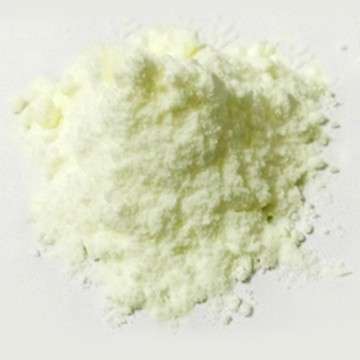
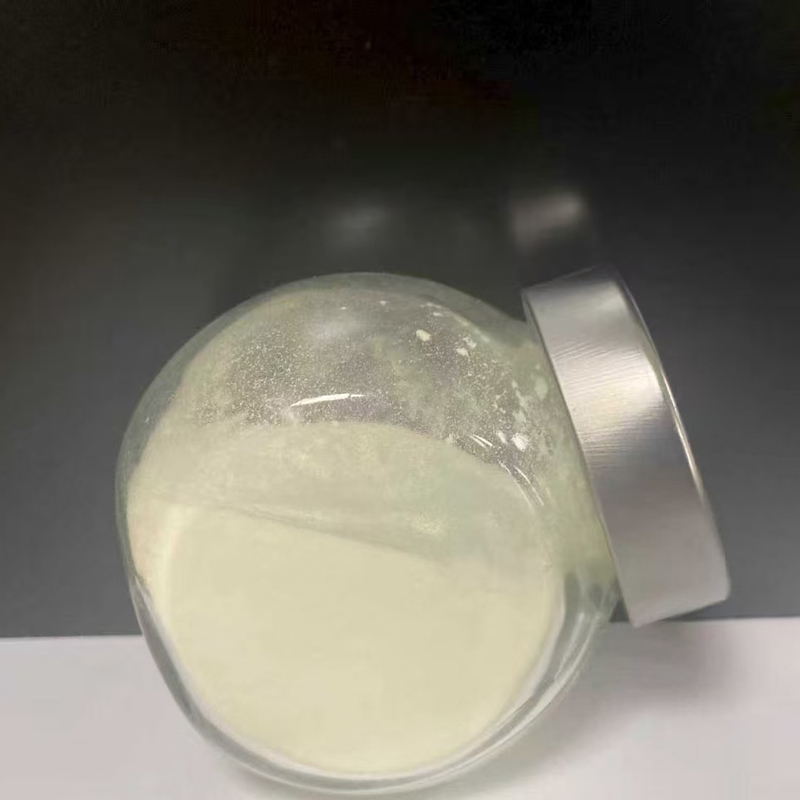
Phenylbis (2,4,6-trimethylbenzoyl) Phosphine
Core Features and Working Principles
1. Type: Free radical photoinitiator. It absorbs light energy and generates free radicals, which then initiate the polymerization of unsaturated prepolymers such as acrylates, rapidly solidifying the liquid system into a solid state.
2. Broad Absorption Range A key advantage of the light initiator 819 is its broad absorption range, covering the UVA (ultraviolet A) region and extending into the visible blue-violet spectrum (approximately 380-420nm). This enables highly efficient compatibility with various UV light sources, particularly LEDs emitting at 365nm, 385nm, 395nm, and even 405nm, making it ideal for modern, energy-efficient, cold-source LED UV curing systems.
3. The cleavage-type photoinitiator belongs to the α-cleavage type. After absorbing light energy, the C-P bond in its molecular structure undergoes homolytic cleavage, directly producing two active free radicals. This process does not depend on oxygen or hydrogen sources, thus achieving very high initiation efficiency.
major advantage
1. Efficient deep curing: With its longer absorption wavelength and stronger UV penetration, it is particularly suitable for curing colored systems (e.g., white and black coatings) and thicker coatings.
2. High reactivity: The generated free radicals exhibit high activity, enabling rapid curing and enhancing production efficiency.
3. Low odor and yellowing: Compared to traditional initiators (e.g., ITX), its photodegradation products produce less odor and yellowing, making it ideal for products with high appearance requirements.
4. Excellent compatibility with LED light sources: This is one of its key advantages, aligning with the eco-friendly and energy-efficient trend of UV-LED curing technology.
Main application areas
Given these outstanding properties, photoinitiator 819 is widely used in fields requiring high curing performance.
1. Light-curing coatings
· Wood coatings: High-performance UV topcoats for furniture, flooring, and similar applications, delivering exceptional hardness and wear resistance.
· Plastic coatings: such as UV coatings for automotive parts and consumer electronics casings.
· Metal coatings: Protective layers applied to metal cans and decorative materials.
2. Ink
· Inkjet printing: This technology is used to solidify ink on various substrates (including plastics, metals, and glass), particularly in printers with LED light sources.
· Flexographic and screen printing: used for packaging printing inks that require rapid curing and good adhesion.
3. Adhesives
· For UV-curing adhesives requiring rapid positioning and high-strength performance, such as electronic component packaging, glass bonding, and medical device assembly.
4.3D Printing-Light-curing
· In 3D printing technologies such as SLA and DLP, photoinitiator 819 is a key component in resin formulations. Its deep-curing capability enhances print accuracy and interlayer adhesion, making it nearly indispensable for desktop DLP/LCD printers using 405nm wavelength light sources.
5. Composite materials
· Used for UV-curing glass fiber or carbon fiber composites, with applications in wind turbine blades, aerospace, and other fields.
Usage Notes
· Formulation with other photoinitiators: In practical applications, 819 is often combined with other photoinitiators like ITX or TPO to achieve optimal balance between surface dryness and depth, thereby enhancing synergistic effects.
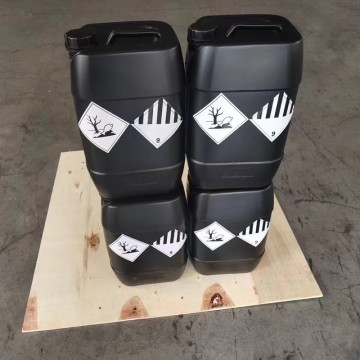
· Storage conditions: Store in a cool, dry place, away from light, as it is very sensitive to light.
· Toxicity: As a chemical, avoid direct contact with skin and eyes.