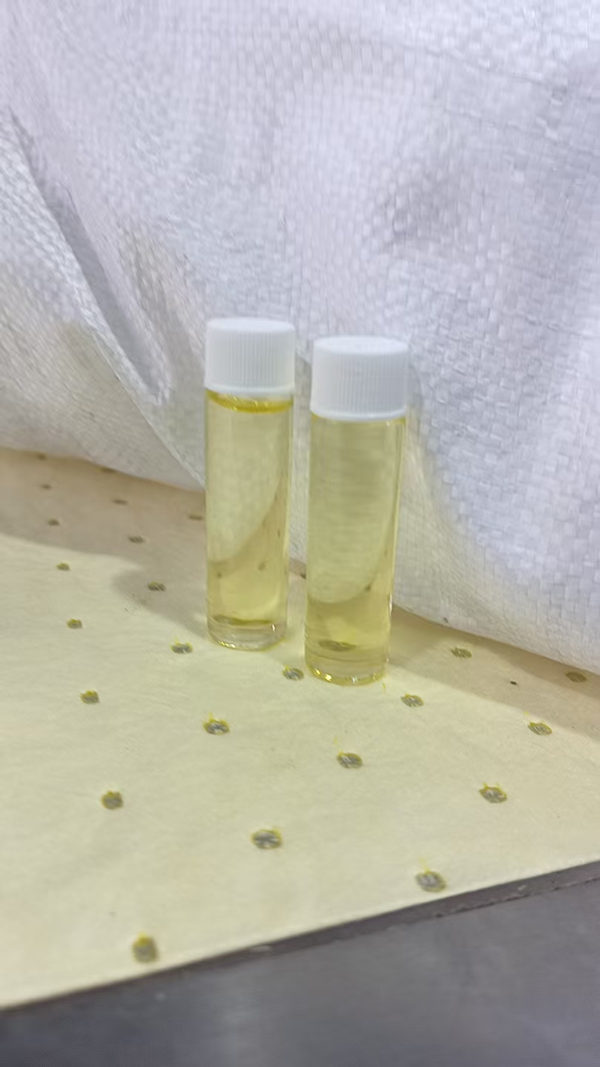





Application prospects of photoinitiator tpo-l in 3d printing field
With the continuous development of 3D printing technology, the photoinitiator TPO-L has attracted much attention due to its excellent photosensitivity. TPO-L is an efficient photoinitiator that can rapidly initiate polymerization reactions under ultraviolet light irradiation, and is widely used in the production of photo cured resins. TPOL is the abbreviation of its chemical name and belongs to the acylphosphine oxide family. The biggest characteristic of this type of photoinitiator is its bimodal absorption property, which means that they can be effectively excited by both long wavelength ultraviolet light (such as 385nm, 395nm) and short wavelength ultraviolet light (such as 365nm).
Industry experts say that the introduction of TPO-L will greatly improve the curing speed and finished product quality of 3D printing materials. Compared with traditional photoinitiators, the core advantages of TPO-L
① High reactivity and printing speed
TPOL has a very high efficiency in generating free radicals, which means that the resin solidifies very quickly under light.
·In DLP and LCD printing, the single-layer exposure time can be shortened to 1-3 seconds or even lower, greatly improving the overall printing speed. This is crucial for industrial applications that require mass production or rapid iteration.
② Excellent deep curing ability
Due to its good absorption of long wavelength ultraviolet light (395nm), ultraviolet light can penetrate the resin pool more deeply. This ensures that the curing of the printed part in the Z-axis direction is uniform and thorough, even for thick walled or large volume models, complete curing can be achieved, avoiding internal uncured and sticky situations. This directly enhances the mechanical strength and durability of the printed parts.
③ Low odor and low yellowing
The by-product odor generated by TPOL after photolysis is relatively small, which improves the user experience during the printing process. At the same time, the yellowing phenomenon caused by it is much milder than some other photoinitiators (such as 1173, 184, etc.), making it particularly suitable for making transparent or white parts with high requirements for color and appearance.
④ Perfect match with 405nm light source
Most consumer and industrial grade DLP/LCD 3D printers use near ultraviolet LED light sources around 405nm. The absorption spectrum of POL matches the emission peak height of the 405nm light source, which means that light energy can be efficiently utilized, reducing energy waste and further ensuring the efficiency and depth of curing.
⑤ Good compatibility
TPOL can dissolve well in various acrylic monomers and unsaturated polyesters, and has good compatibility with other components of the resin system (such as oligomers, pigments, etc.), making it easy to prepare stable printing materials. In the future, with the popularization of 3D printing technology, TPO-L is expected to become the industry standard photoinitiator, promoting the rapid development of related industries.