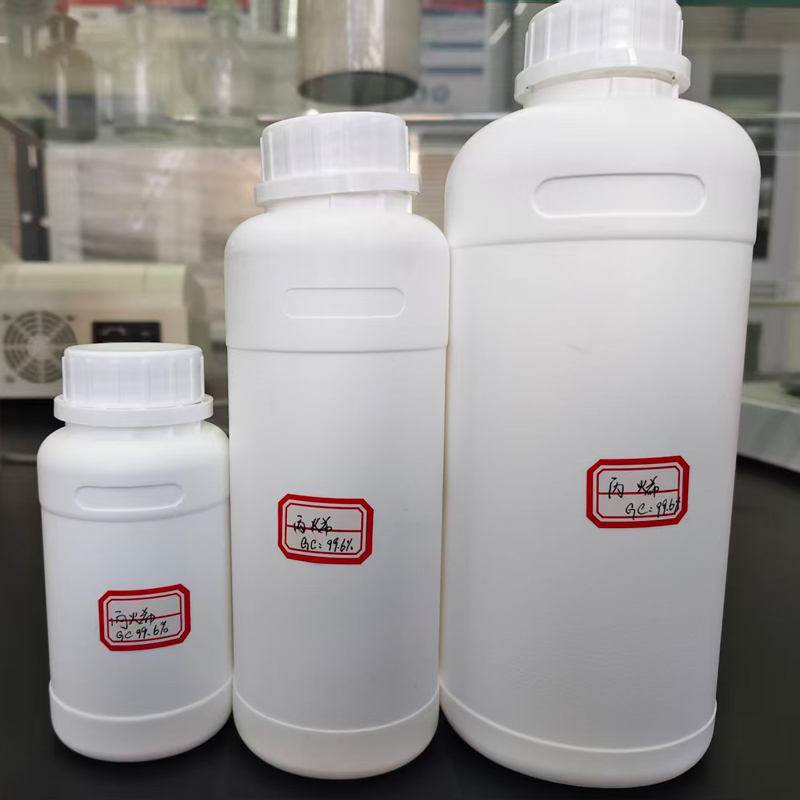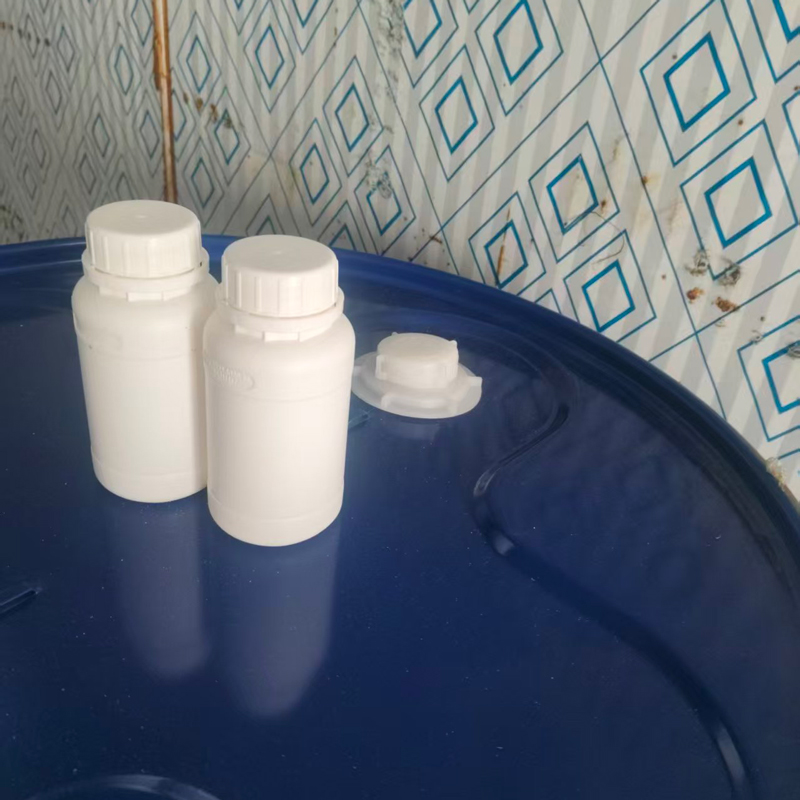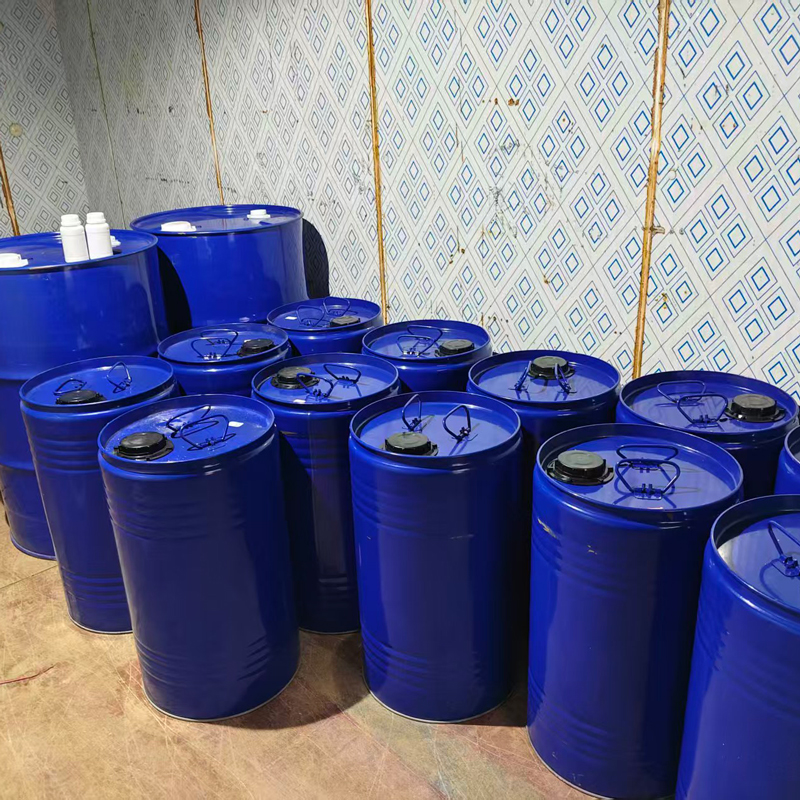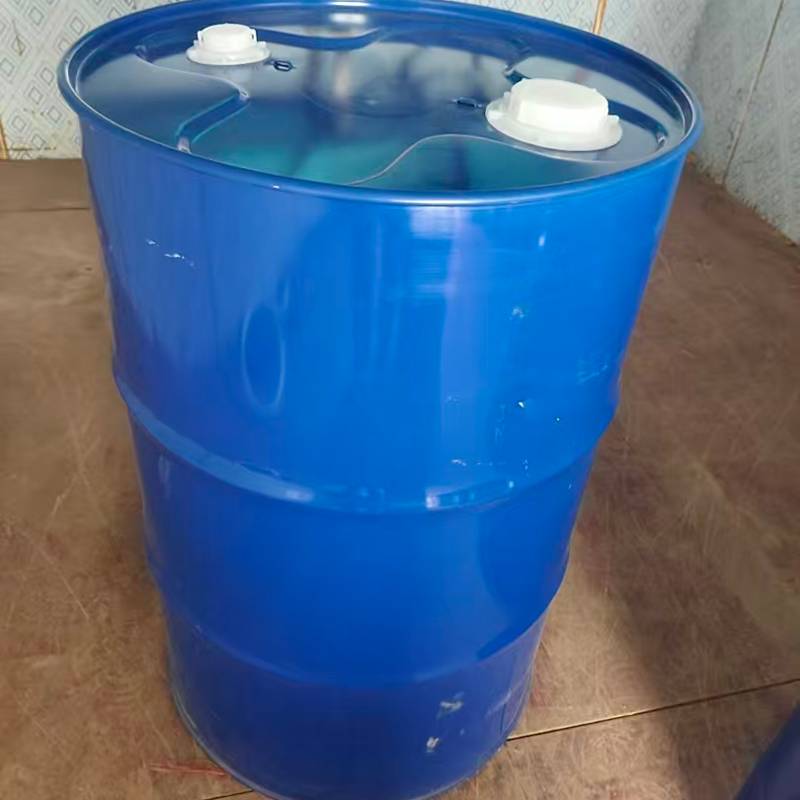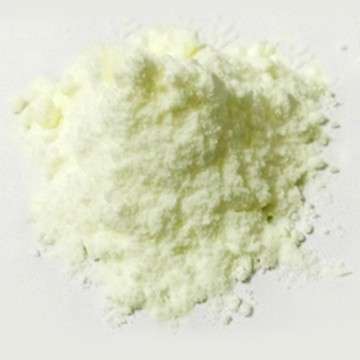
Medical-grade/electronic-grade acryloyl chloride
product description
In summary, the primary applications of acryloyl chloride can be categorized into the following areas:
1. Polymer synthesis (primary application)
This is the main consumption field of acryloyl chloride, which is mainly used to synthesize various acrylic ester monomers and other polymer monomers.
Acrylate synthesis: Acryloyl chloride reacts with alcohols (from methanol to various higher alcohols) to efficiently produce the corresponding acrylate.
Acrylic acid methyl ester, acrylic acid ethyl ester, acrylic acid butyl ester, acrylic acid 2-ethylhexyl ester and so on are the core raw materials for the production of acrylic resin, plastics, adhesives, coatings and textile auxiliaries.
These acrylates can be made into materials with different properties (such as flexibility, hardness, weather resistance, and transparency) through homopolymerization or copolymerization.
Synthesis of functional monomers:
Acrylamide: While the industrial-scale production of acrylamide is primarily achieved through acrylonitrile hydrolysis, a viable synthetic route also involves the reaction of acryloyl chloride with ammonia. Glycidyl Acrylate (Glycidyl Acrylate): Produced by the reaction of acryloyl chloride with epichlorohydrin. This monomer contains both vinyl and epoxy groups in its molecular structure, making it suitable for manufacturing epoxy resin modifiers, UV-curable coatings, adhesives, and composite materials. It enhances the adhesion and crosslinking density of these materials.
Other specialty acrylates, such as hydroxyethyl acrylate and hydroxypropyl acrylate, can also be synthesized by reacting specific alcohols with acryloyl chloride. These monomers are widely used in photopolymer resins, waterborne polyurethanes, and related applications.
2. The field of organic synthesis
In the fine chemical and pharmaceutical synthesis, acryloyl chloride is often used as acryloylating reagent to introduce acryloyl group into target molecule.
Drug synthesis: Used to synthesize intermediates for certain drugs. For example, in the structural modification of some anticancer drugs, antibiotics, and neurologic drugs, the introduction of acryloyl can change the activity and metabolic properties of the drug.
Pesticide synthesis: as an intermediate in the synthesis of certain highly effective and low-toxicity pesticides.
Dyes and photosensitive materials: can be used to synthesize dyes and photosensitive polymers with specific properties.
3. Water treatment field
Raw materials for polyacrylamide (PAM): As a vital water treatment chemical, polyacrylamide serves as a flocculant, thickener, and reinforcing agent. Although acrylamide is the primary monomer used in PAM production, its synthesis pathway involves acryloyl chloride. Thus, acryloyl chloride acts as a key precursor in this technical route.
Functionalized flocculants: Acrylic acid polymers synthesized from acryloyl chloride, containing specific functional groups (e.g., quaternary ammonium salts), serve as more efficient and targeted flocculants and decolorizing agents.
4. Personal care products
Polymer additives: Acrylonitrile copolymers are used in hair styling products and nail polish as film-forming agents and thickeners, providing excellent gloss and longevity.
5. The field of adhesives and sealants
Reactive acrylic adhesives: By utilizing the high reactivity of acryloyl groups, instant-curing acrylic structural adhesives and anaerobic adhesives can be prepared.
Pressure-sensitive adhesive: The primary material for acrylic pressure-sensitive adhesives (e.g., self-adhesive labels and tapes) is acrylic monomers derived from acryloyl chloride.
6. Textile and leather industry
Textile additives: Acryloyl chloride copolymers can be used as fabric finishing agents to provide wrinkle resistance, water resistance, stain resistance, and softness.
Leather coating agent: A film-forming substance applied to leather surfaces to enhance gloss, durability, and tactile quality.
sum up :
The fundamental value of acryloyl chloride lies in its role as a "bridge" that efficiently converts small-molecule compounds like alcohols and amines into polymerizable acrylic monomers. These monomers then undergo polymerization to produce a wide variety of polymers with diverse properties, which are widely used in daily life—from coatings, adhesives, and plastics to water treatment agents, textiles, and cosmetics.