High-Purity Methyl Acryloyl Chloride (>99%) - Leading China Suppliers & Factory for Unique Industrial Applications
Core Structure Features and Application Relationship
-
1. Acyl chloride group: Like acryloyl chloride, it possesses high reactivity and readily reacts with alcohols and amines to form acylation, providing the critical mechanism to introduce methacryloyl groups.
-
2. Methyl and double bond: The methyl group positioned adjacent to the vinyl double bond introduces significant steric hindrance and electronic stabilization effects.
-
3. Spatial hindrance: It decelerates the polymerization or copolymerization kinetics, resulting in polymer chain architectures that are substantially more regular and structurally rigid.
-
4. α-Methyl substitution: This modification incorporates a methyl group at alternate carbons along the polymer mainchain, noticeably upgrading thermal stability, surface hardness, and outdoor weather resistance.
These characteristics define the core utility of methyl acryloyl chloride: the synthesis of high-performance polymers, tailored functional coatings, and specialty monomers.
Main Application Areas
1. Synthetic Methacrylate Monomers (Primary Application)
This serves as the principal utility of methyl acryloyl chloride, acting as the foundation for synthesizing essential methacrylates via esterification with targeted alcohols:
-
① Methyl methacrylate (MMA): The highest volume derivative. Its polymerization produces polymethyl methacrylate (PMMA), widely recognized as acrylic glass.
Performance: High optical transparency (higher light transmission than ordinary glass), robust weather resistance, solid mechanical modulus, and excellent electrical insulation.
Applications: Vehicle taillights, instrument panels, optical lens assemblies, outdoor advertising displays, sanitary fixtures, and commercial aircraft canopy glazing. -
② Hydroxyethyl methacrylate (HEMA) & Hydroxypropyl methacrylate (HPMA): Functionalized monomers featuring active hydroxyl functional groups that facilitate efficient crosslinking.
Applications: Primary base materials for hydrogel contact lenses, UV/EB-curable industrial coatings, high-performance structural adhesives, and auxiliary agents for textile finishing. -
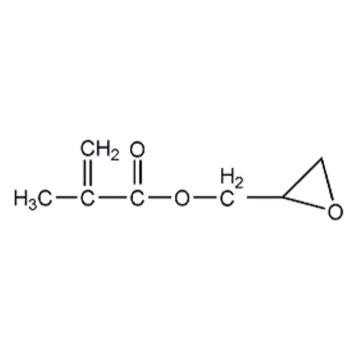
③ Glycidyl methacrylate (GMA): Dual-functional reactive monomer containing simultaneously both vinyl and oxirane (epoxy) rings.
Applications: Modifying agent for epoxy, alkyd, and polyester resins to enhance substrate adhesion, solvent tolerance, and mechanical endurance; also utilized extensively in powder coatings, radiation curing, and advanced composite matrices. - Other Specialty Methacrylates: Including butyl methacrylate and lauryl methacrylate, applied to modulate flexibility, glass transition temperature (Tg), and resin viscosity.
2. Adhesives and Industrial Coatings
- Reactive Acrylic Adhesives: Serves as a vital precursor in formulating 2nd-generation structural acrylic glues characterized by high shear performance and rapid room-temperature cure, widely applied across automotive structures, marine vessels, and wind power blades.
- Specialty Coating Resins: Methacrylate-derived polymers offer premier gloss retention, weatherability, and hardness, playing a foundational role in high-durability automotive topcoats, protective industrial finishes, and low-VOC waterborne acrylic paints.
3. Dental Materials
- Denture Baseplates: High-molecular-weight PMMA compounds form the primary pink tissue-mimetic prosthetic base.
- Dental Composite Restorations: Photocurable composite filling matrices rely on bisphenol A-glycidyl methacrylate (Bis-GMA) and related structural dimethacrylates to secure biocompatibility, wear resilience, and compressive mechanical strength.
4. Textile and Paper Industries
- Textile Finishes: Formulated as functional polymer emulsions to enhance anti-crease durability, fiber binding, and water-repellent performance.
- Papermaking Additives: Functions as an effective wet/dry tensile strengthening additive in functional specialty papers.
5. Organic Synthesis Intermediates
Operates as a high-efficiency acylating synthon in pharmaceutical, agrochemical, and bioactive molecule manufacturing, introducing methacryloyl structures into custom pharmaceutical intermediates.
Comparison and Summary with Acryloyl Chloride
To clearly define functional advantages, the distinct differences between methyl acryloyl chloride and acryloyl chloride are summarized below:
| Characteristic | Acryloyl Chloride | Methyl Acryloyl Chloride |
| Constitutional Formula | CH₂=CH-COCl | CH₂=C(CH₃)-COCl |
| Characteristics of Polymer Products | The polymer chain segment is relatively flexible, and the polymer has good toughness and flexibility. | The polymer has high rigidity, high hardness, good heat resistance and high stability. |
| Core Application Products | Polyacrylate (e.g., PAA, PAM), pressure-sensitive adhesives, flexible plastics, and water treatment flocculants. | Polymethyl methacrylate (PMMA), acrylic glass, hard coatings, structural adhesives, and dental materials. |
| Material Properties Emphasized | Flexibility, Adhesion, Thickening | Hard, transparent, weather-resistant |
Frequently Asked Questions (FAQ)
What is the primary commercial use of methyl acryloyl chloride?
Its primary use is as an essential acylation reagent to synthesize methacrylate monomers (including MMA, HEMA, HPMA, and GMA) via esterification reactions with various alcohols, which are precursors to PMMA plastics, coatings, and adhesives.
How does the presence of the α-methyl group influence polymer performance?
The α-methyl group provides steric hindrance along the polymer chain backbone. This structural effect substantially upgrades the thermal stability, rigidity, glass transition temperature, and weather resistance compared to standard acrylates.
What is the key difference between methyl acryloyl chloride and acryloyl chloride?
Acryloyl chloride yields polymers that prioritize chain flexibility, elongation, and adhesive tack (such as PAA and pressure-sensitive glues). In contrast, methyl acryloyl chloride produces polymers with greater rigidity, transparency, hardness, and thermal resistance (such as PMMA and dental resins).
Why are methacrylate derivatives favored in dental applications?
Methacrylate systems (e.g., PMMA and bisphenol A-glycidyl methacrylate) offer an optimal balance of biocompatibility, mechanical durability, wear resistance, and rapid light-curing capabilities essential for both denture bases and tooth-filling composites.
What role does glycidyl methacrylate (GMA) serve when synthesized from this intermediate?
Glycidyl methacrylate provides dual functionality with both vinyl and epoxy functional groups, allowing it to modify polymers like polyesters and epoxies, significantly enhancing chemical resistance, adhesion, and crosslinking density in UV coatings and composites.