







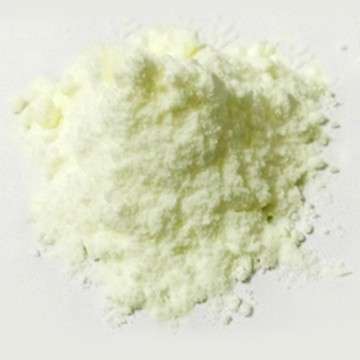
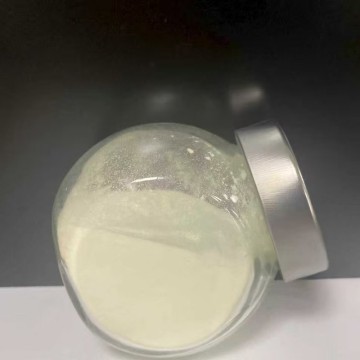
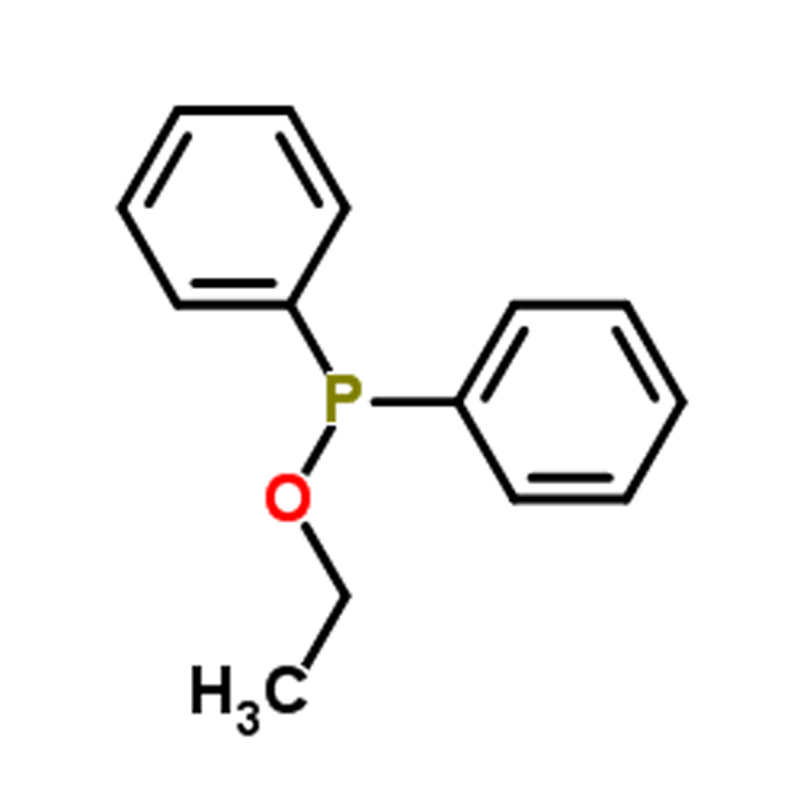
High Purity Low-Chlorinated Diphenylethoxyphosphine (EDPP) - Trusted China Suppliers & Factory
Product Description
As a critical building block for synthesizing pharmaceutical active molecules and pesticides, pharmaceutical intermediates can be utilized for drug molecular modification. Additionally, due to its mature preparation processes and purity detection technologies, EDPP is also employed as a reference standard for drug quality control and impurity studies.
The preparation of photopolymerizable materials serves as a critical intermediate for synthesizing high-efficiency photoinitiators (e.g., TPO), enabling deep and rapid curing with minimal yellowing. Due to its tunable structure, these materials can also be utilized in the synthesis of photosensitive dyes and find applications in fields such as laser printing and photolithography processes.
Main Application Areas
Phosphine Ligands and Catalysis
EDPP is an important class of organic phosphine ligands (Phosphine Ligands), suitable for coupling reactions (e.g., Suzuki, Heck reactions). Its dense electron cloud density and coordination activity enable it to form complexes with metals such as palladium, rhodium, and ruthenium, catalyzing specific reactions.
📌
Catalyst precursors and self-catalysis:
These compounds serve as catalyst precursors in reactions and can also act as catalysts for specific reactions. The oxygen atom (-O-) in EDPP provides the structural foundation for designing POP-type clamp ligands, which exhibit potential applications in reactions such as alcohol conversion.
📌
Polymer Science:
Polymer science can serve as an initiator for anionic polymerization to prepare high molecular weight polymers. The phosphite ester generated from its reaction with halogenated hydrocarbons also functions as a useful reducing agent.
Other Applications of Organic Synthesis
The synthesis of organic pigments serves as a crucial precursor for producing high-performance organic pigments, featuring a simple and feasible synthetic route with high yield.
🚀
Phosphorus Sources & Intermediates:
Universal phosphorus sources and intermediates participate in the formation of carbon-phosphorus bonds, enabling the synthesis of various organic phosphorus compounds such as diphenylphosphonates and phosphine oxides.
🚀
C-P Bond Construction:
The strategy for constructing C-P bonds that mediate C-H bond activation and C-O bond formation provides an efficient novel approach for synthesizing complex phosphorus-containing heterocyclic compounds.
Frequently Asked Questions
What are the primary uses of EDPP in the pharmaceutical industry?
EDPP serves as a critical building block for synthesizing pharmaceutical active molecules and pesticides, and is also used for drug molecular modification and quality control.
How does EDPP contribute to photopolymerization?
It is used to synthesize high-efficiency photoinitiators like TPO, which facilitate rapid curing with minimal yellowing in laser printing and photolithography.
What types of chemical reactions can EDPP catalyze?
As an organic phosphine ligand, it is highly effective in coupling reactions such as Suzuki and Heck reactions when complexed with metals like palladium or rhodium.
Can EDPP be used in polymer manufacturing?
Yes, it can act as an initiator for anionic polymerization to create high molecular weight polymers and functions as a reducing agent in specific reactions.
What role does it play in organic pigment synthesis?
EDPP is a crucial precursor for high-performance organic pigments, offering a high-yield synthetic route that is both simple and feasible.
How is it used to create complex heterocyclic compounds?
By mediating C-H bond activation and C-O bond formation, it provides a novel strategy for constructing efficient C-P bonds in complex phosphorus-containing structures.