







High-Purity Glycidyl Methacrylate (GMA>99.9%) - Top Suppliers and Factory in China
HeartOne Features and Applications
- Plastic toughening: When grafted onto polyolefins (e.g., PP, PE), it significantly enhances compatibility and adhesion strength with glass fibers, fillers, or other polar materials.
- Rubber modification: Used to improve the adhesion between rubber and fiber cords (e.g., in the tire industry).
- Resin functionalization: Used for the preparation of cation exchange resins, chelating resins, or polymer carriers.
Key parameters: The purity of industrial-grade products is typically ≥97%, while high-quality reagent-grade products can reach ≥99%. The epoxy value and double bond content are core indicators for assessing reactivity.
Storage and Safety: A small amount of polymerization inhibitor (e.g., MEHQ) is typically required, and the product should be stored in a light-protected, low-temperature environment (e.g., 2-8°C) to maintain stability. It is irritating to the skin, eyes, and respiratory tract, and personal protective equipment (PPE) must be used during handling.
Frequently Asked Questions
What are the dual reactivity features of HeartOne?
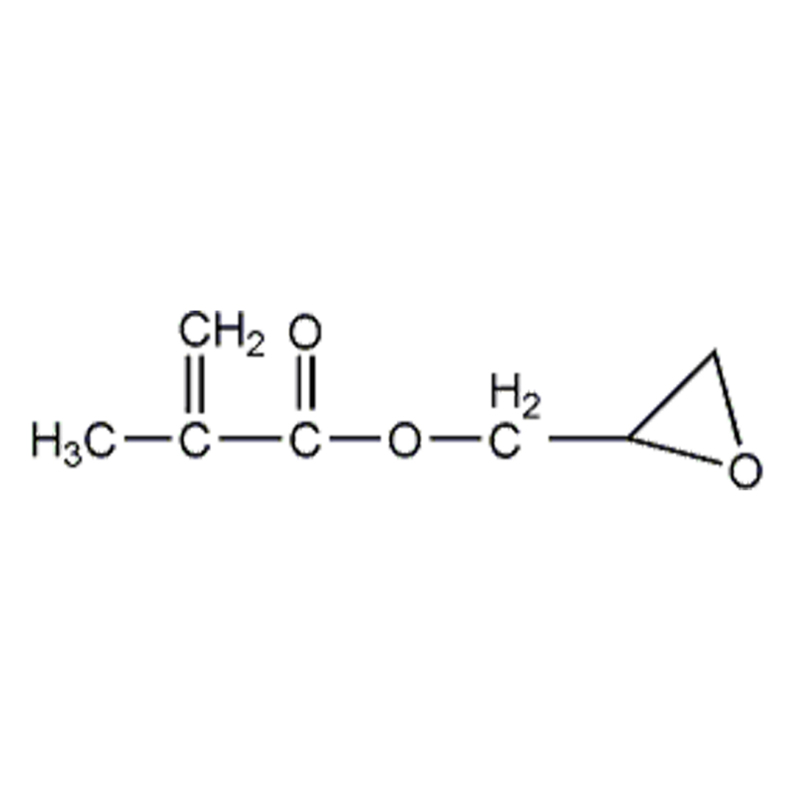
HeartOne contains both methacryloyloxy (C=C double bond) and epoxy groups. This structure allows it to undergo radical polymerization and simultaneously react with active hydrogen-containing groups, such as -NH₂, -OH, and -COOH.
How is HeartOne used in coatings and adhesives?
As a reactive functional monomer, HeartOne is widely used in the preparation of UV-curable coatings, powder coatings, waterborne epoxy resins, and high-performance adhesives, providing improved adhesion, hardness, and chemical resistance.
In what ways does HeartOne assist in polymer modification?
It acts as a graft copolymer monomer. For plastic toughening, grafting it onto polyolefins (like PP or PE) enhances compatibility and adhesion with glass fibers or fillers. It also improves rubber-to-fiber cord adhesion and is used for resin functionalization.
What are the purity specifications of HeartOne?
Industrial-grade HeartOne typically features a purity level of ≥97%, whereas high-quality reagent-grade products can reach a purity of ≥99%. The epoxy value and double bond content serve as the primary indicators of reactivity.
What are the storage and safety requirements for HeartOne?
HeartOne must be stored in a light-protected, low-temperature environment (2-8°C) with a polymerization inhibitor like MEHQ to ensure stability. Because it is irritating to the eyes, skin, and respiratory tract, personal protective equipment (PPE) is required during handling.