







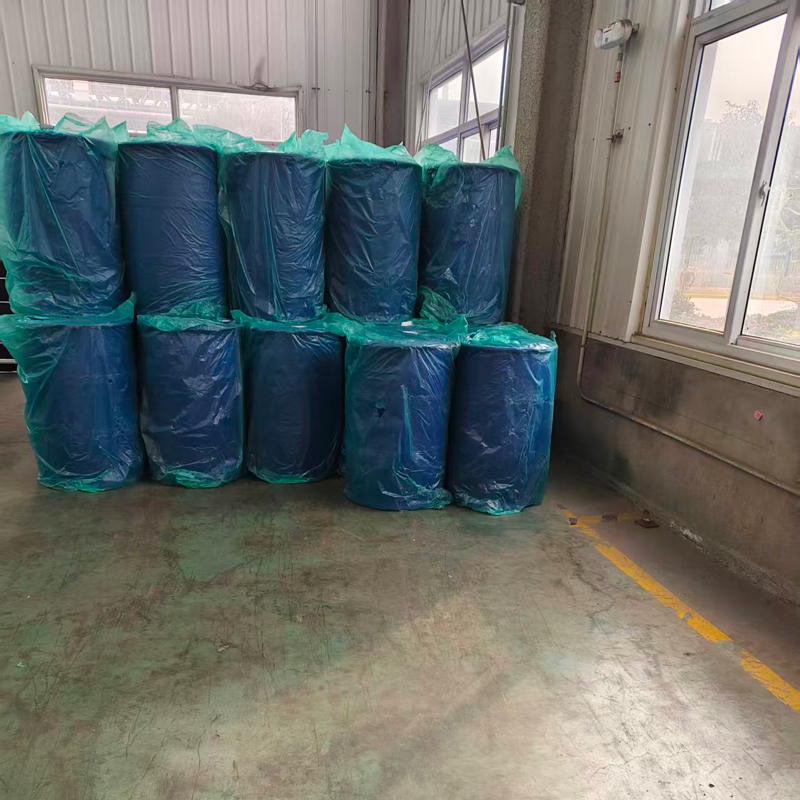
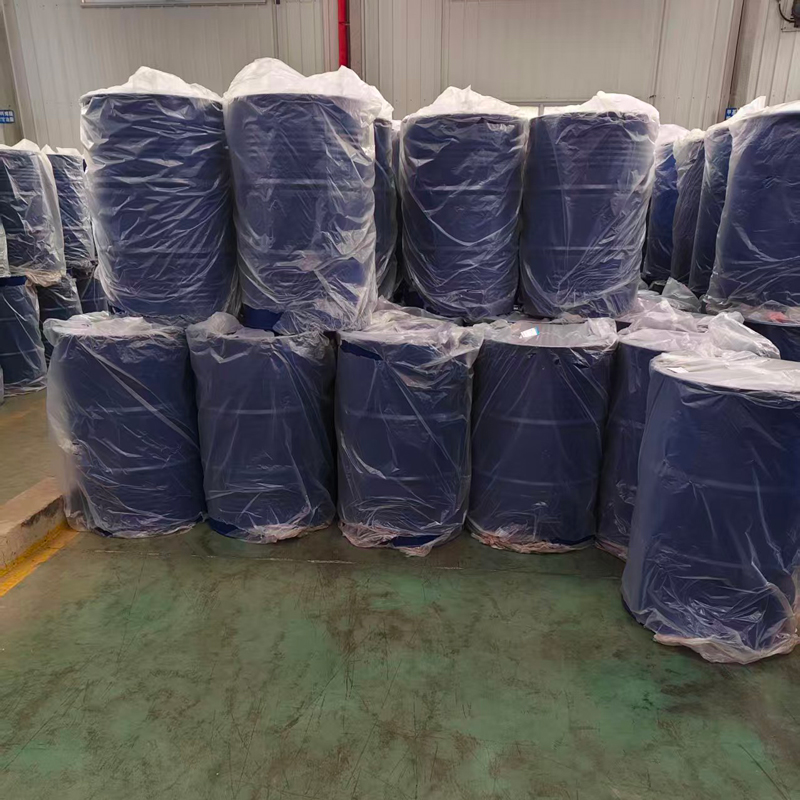
High-purity glycidyl methacrylate (GMA>99.9%)
HeartOne Features and Applications
Characteristic Dimension Specific Description Core Advantages and Applications
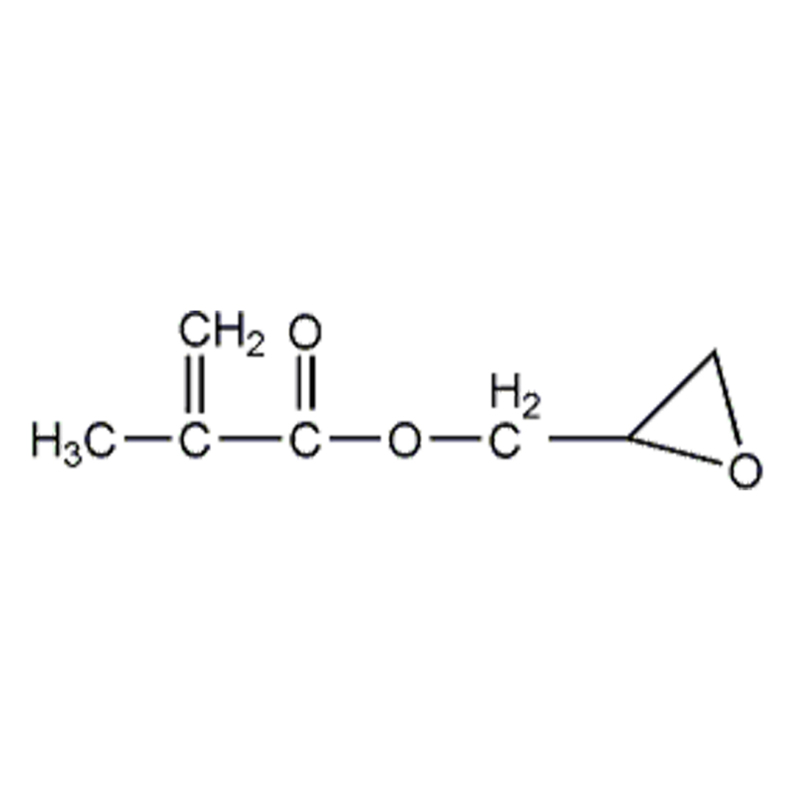
Chemical Structure: The molecule contains both methacryloyloxy (C=C double bond) and epoxy groups. Dual reactivity: It can undergo both radical polymerization and react with groups containing active hydrogen (-NH₂, -OH, -COOH).
Physical properties: A colorless and transparent liquid with a pungent odor, slightly soluble in water and soluble in organic solvents. It is readily processable and reactive, widely used for modifying solvent-based and aqueous systems.
Main functions: As a crosslinking agent, modifier, and reactive diluent. Introduces reactive epoxy groups into the polymer molecular chain, thereby endowing the material with functionality.
Given these features, its applications are primarily concentrated in the following areas:
Coatings, Inks and Adhesives
Function: As a reactive functional monomer.
Application scenarios: For the preparation of UV-curable coatings, powder coatings, waterborne epoxy resins, and high-performance adhesives with high adhesion, high hardness, and chemical resistance.
polymer modification
Function: As a graft copolymer monomer.
application scenarios :
Plastic toughening: When grafted onto polyolefins (e.g., PP, PE), it significantly enhances compatibility and adhesion strength with glass fibers, fillers, or other polar materials.
Rubber modification: used to improve the adhesion between rubber and fiber cords (e.g., in the tire industry).
Resin functionalization: Used for the preparation of cation exchange resins, chelating resins, or polymer carriers.
composite
Function: As an interfacial compatibilizer.
Application scenario: In glass fiber/carbon fiber reinforced composites, improving the interfacial bonding strength between inorganic fibers and organic resin matrix enhances the mechanical properties of the composites.
Electronic and Optical Materials
Function: As a raw material monomer for encapsulation materials and photoresists.
Application scenarios: Used for preparing electronic component encapsulation adhesives, liquid crystal display (LCD) sealants, and certain optical materials requiring adhesion and heat resistance.
biomedical materials
Function: Serving as a linker for biomolecule immobilization.
Application scenarios: Its epoxy groups can be used to covalently immobilize biomolecules such as enzymes, antibodies, and DNA on the substrate surface, making it applicable for biosensors, diagnostic kits, and separation/purification media.
💡 Technical Specifications and Usage Notes
Key parameters: The purity of industrial-grade products is typically ≥97%, while high-quality reagent-grade products can reach ≥99%. The epoxy value and double bond content are core indicators for assessing reactivity.
Storage and Safety: A small amount of polymerization inhibitor (e.g., MEHQ) is typically required, and the product should be stored in a light-protected, low-temperature environment (e.g., 2-8°C) to maintain stability. It is irritating to the skin, eyes, and respiratory tract, and personal protective equipment (PPE) must be used during handling.