







High-Purity Glycidyl Methacrylate (GMA>99.9%) from Reliable Suppliers and Factory in China
HeartOne Features and Applications
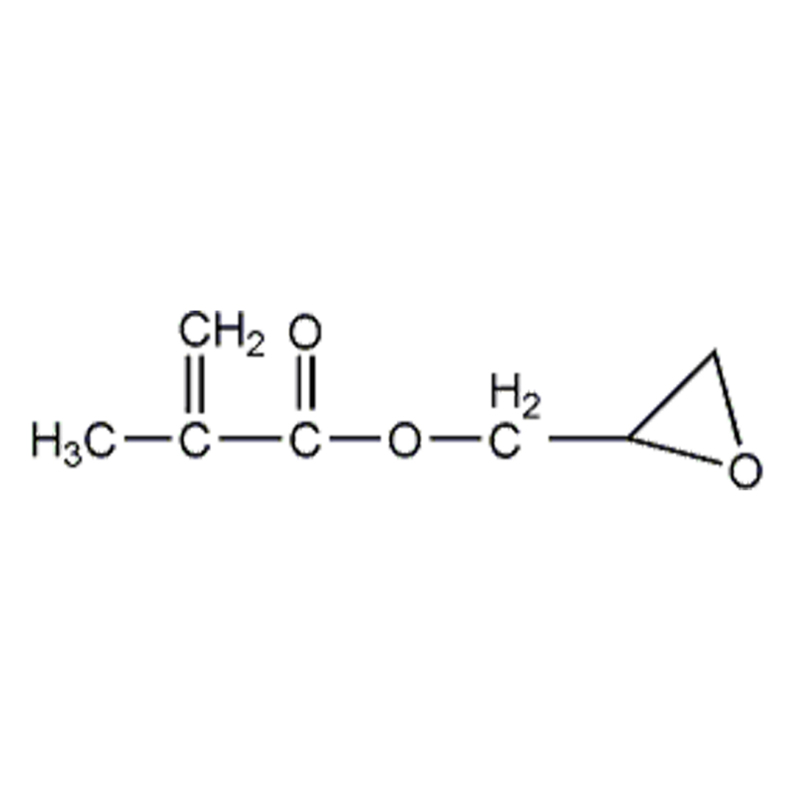
The molecule contains both methacryloyloxy (C=C double bond) and epoxy groups. Dual reactivity: It can undergo both radical polymerization and react with groups containing active hydrogen (-NH₂, -OH, -COOH).
A colorless and transparent liquid with a pungent odor, slightly soluble in water and soluble in organic solvents. It is readily processable and reactive, widely used for modifying solvent-based and aqueous systems.
As a crosslinking agent, modifier, and reactive diluent. Introduces reactive epoxy groups into the polymer molecular chain, thereby endowing the material with functionality.
Coatings, Inks and Adhesives
Polymer Modification
- Plastic toughening: When grafted onto polyolefins (e.g., PP, PE), it significantly enhances compatibility and adhesion strength with glass fibers, fillers, or other polar materials.
- Rubber modification: Used to improve the adhesion between rubber and fiber cords (e.g., in the tire industry).
- Resin functionalization: Used for the preparation of cation exchange resins, chelating resins, or polymer carriers.
Composite
Electronic and Optical Materials
Biomedical Materials
The purity of industrial-grade products is typically ≥97%, while high-quality reagent-grade products can reach ≥99%. The epoxy value and double bond content are core indicators for assessing reactivity.
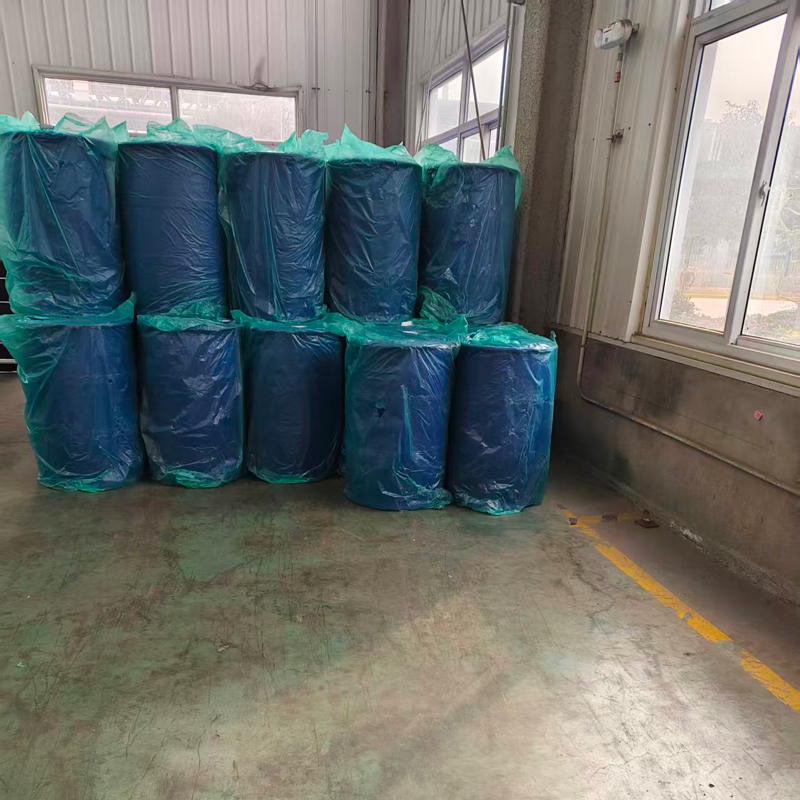
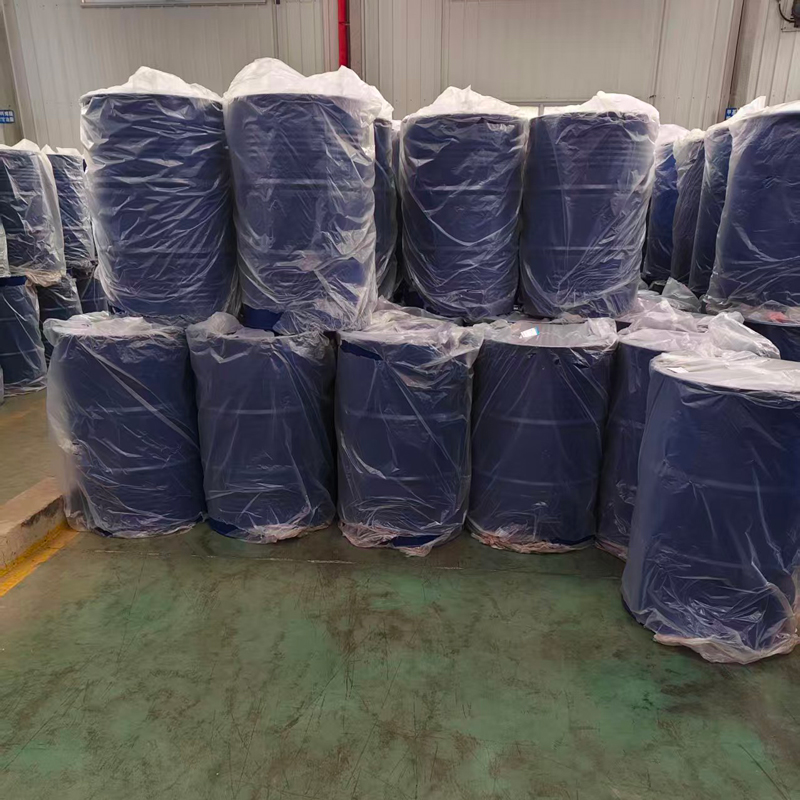
A small amount of polymerization inhibitor (e.g., MEHQ) is typically required, and the product should be stored in a light-protected, low-temperature environment (e.g., 2-8°C) to maintain stability. It is irritating to the skin, eyes, and respiratory tract, and personal protective equipment (PPE) must be used during handling.
Q1: What are the primary functional groups in HeartOne and their advantages?
HeartOne contains both methacryloyloxy (C=C double bond) and epoxy groups. This dual reactivity allows it to undergo radical polymerization and simultaneously react with active hydrogen-containing groups like amines, hydroxyls, and carboxyls.
Q2: How does HeartOne benefit the coatings and adhesives industry?
As a reactive functional monomer, HeartOne is utilized in UV-curable coatings, powder coatings, waterborne epoxy resins, and high-performance adhesives to deliver superior adhesion, increased hardness, and excellent chemical resistance.
Q3: In what ways can HeartOne be used for polymer modification?
It serves as a graft copolymer monomer for plastic toughening (enhancing compatibility with glass fibers/fillers), rubber modification (improving adhesion to fiber cords in tires), and resin functionalization (for chelating or ion exchange resins).
Q4: How does HeartOne act as an interfacial compatibilizer in composites?
In glass fiber or carbon fiber reinforced composites, it improves the interfacial bonding strength between the inorganic fibers and the organic resin matrix, which significantly enhances the overall mechanical properties of the material.
Q5: What are the key storage and handling precautions for HeartOne?
HeartOne should be stored in a light-protected, low-temperature environment (2-8°C) with a polymerization inhibitor like MEHQ. Because it is irritating to the skin, eyes, and respiratory tract, personal protective equipment (PPE) is mandatory during handling.