
High-Efficiency TPO-L Photoinitiator - Ethyl 2,4,6-Trimethylbenzoylphenylphosphonate from China Suppliers and Factory
Core Features and Advantages
The widespread adoption of TPO-L is primarily attributed to its outstanding performance characteristics:
1. Liquid Form and Usability
Characteristics:
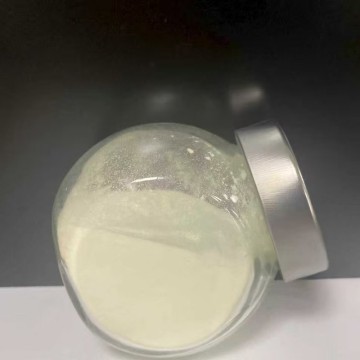
Liquid at room temperature
Advantages:
Easy to mix uniformly in formulations, convenient for use
2. Absorption Wavelength and Depth of Curing
Characteristics:
Exhibits strong absorption at 274 nm, 290 nm, and 370 nm
Advantages:
Particularly suitable for deep curing of thick coatings and white/high-pigment systems
3. Low Yellowing and Low Odor
Characteristics:
Minimal color change in the cured product, with low inherent odor
Advantages:
Suitable for high-quality finishes such as clear varnish, light-colored paint, and food packaging.
4. Compatibility of Photopolymerization Technology
Features:
Compatible with traditional UV mercury lamps and emerging LED curing light sources
Advantages:
Aligns with industry trends in energy conservation and environmental protection, with broad application scope
Main Application Fields
Given these features, TPO-L is widely used in various industries requiring light-curing technology.
1. Paint
Applications:
Wood coatings, plastic coatings, metal industrial coatings
Key Requirements:
Deep curing, low yellowing, high surface quality
2. Ink and Printing
Applications:
Flexographic printing ink, screen printing ink, offset printing ink, and varnish oil
Key Requirements:
Rapid curing, low migration, suitable for food contact packaging
3. Emerging and High-Tech Fields
Applications:
3D printing (e.g., stereolithography), electronic device packaging, nail polish adhesives
Key Requirements:
High-precision curing, biocompatibility (e.g., for nail art), and high reactivity
4. Adhesives and Composites
Applications:
UV-curable adhesives, sealants, and composite materials
Key Requirements:
Rapid positioning, deep curing to bond opaque materials
Market Background and Usage Guidelines
Market Trends:
With the implementation of environmental regulations (e.g., EU restrictions on certain photoinitiators) and the widespread adoption of UV-LED technology, TPO-L continues to see growing market demand as a high-performance alternative.
Typical Dosage:
The recommended amount in formulations is generally 0.5% - 5% (by weight), often combined with other photoinitiators (e.g., 1173, 184) to achieve optimal synchronous curing of both surface and deep layers.
Storage and Safety:
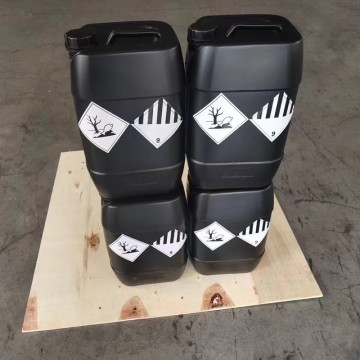
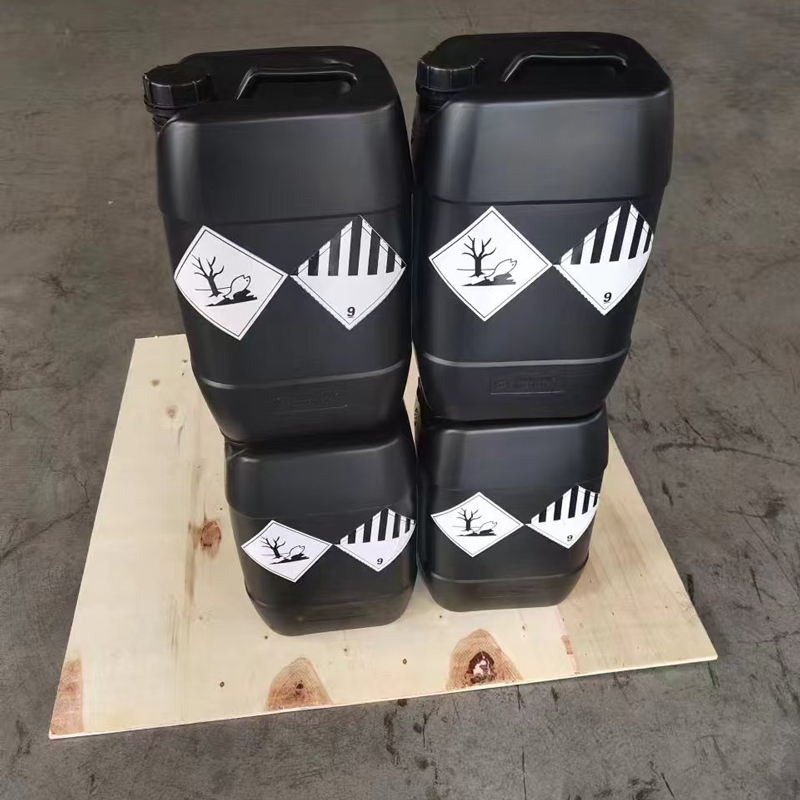
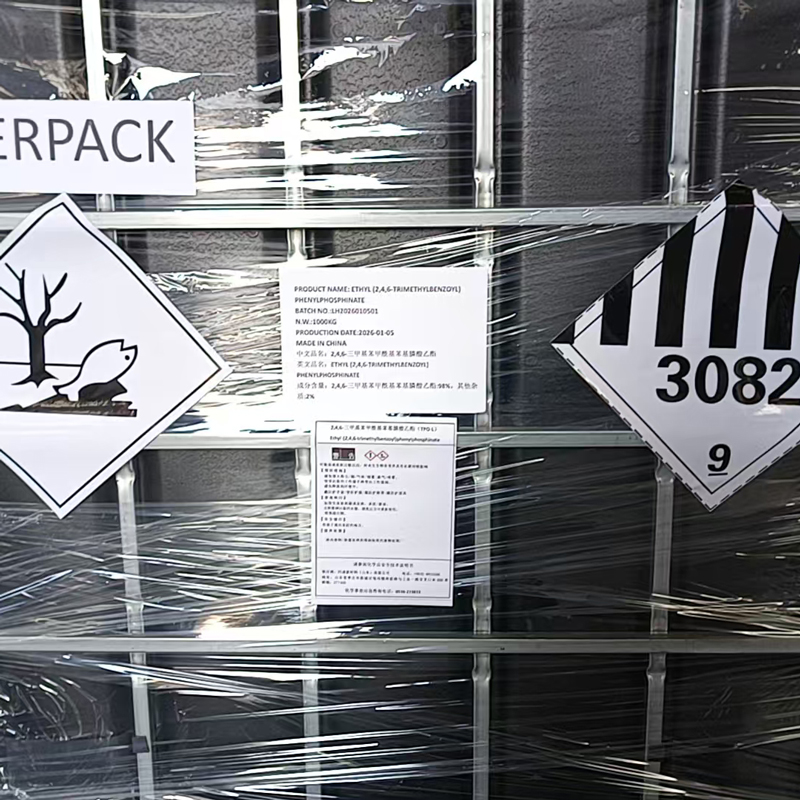
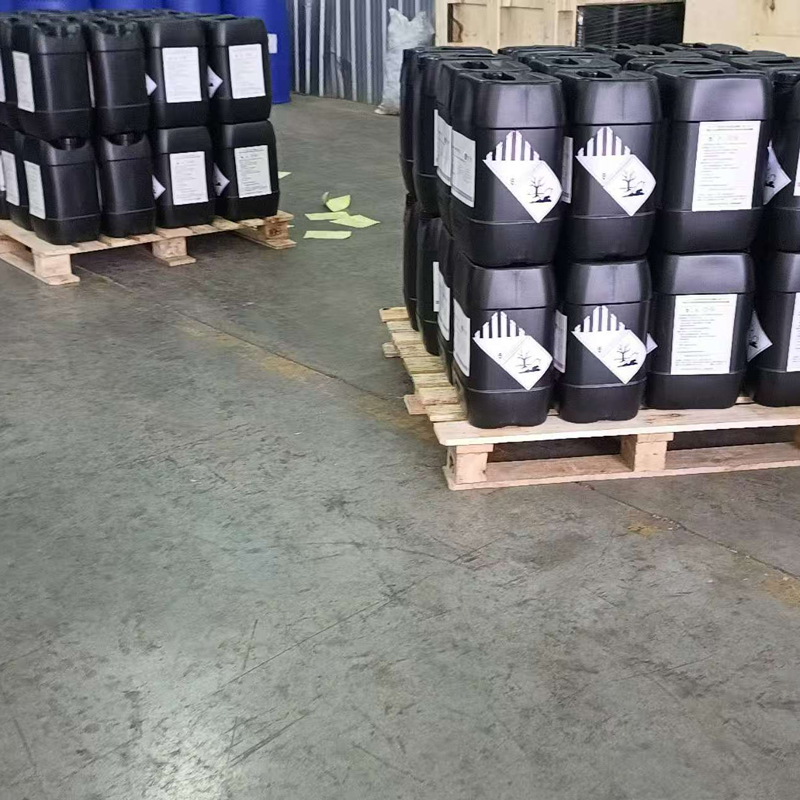
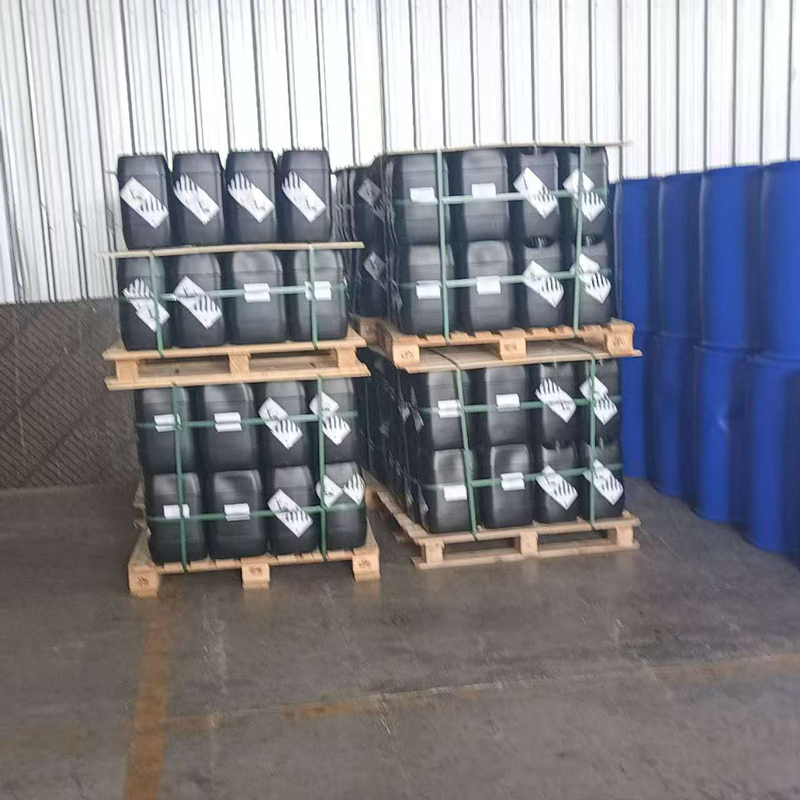
Store in a cool, dry place protected from light. The shelf life is typically 2 years. Follow chemical safety regulations during handling.
In summary, TPO-L has emerged as a pivotal component in high-performance light-curing formulations, owing to its multifaceted advantages: liquid applicability, exceptional deep-curing capability, minimal yellowing, and seamless compatibility with LED curing systems. This makes it indispensable across both traditional industries and emerging manufacturing sectors.
Frequently Asked Questions (FAQ)
What are the primary characteristics and advantages of TPO-L?
TPO-L is a liquid at room temperature, making it easy to mix uniformly in formulations and highly convenient to use. It offers strong absorption at 274 nm, 290 nm, and 370 nm, providing excellent deep curing, low yellowing, and low odor.
In which applications is TPO-L commonly used?
TPO-L is widely used in paints (wood, plastic, and metal coatings), inks and printing (flexographic, screen, offset inks, and varnishes), high-tech fields like 3D printing, electronics packaging, nail polish adhesives, as well as general UV-curable adhesives and sealants.
What is the typical recommended dosage for TPO-L in formulations?
The recommended dosage of TPO-L in formulations is generally between 0.5% and 5% by weight. It is often combined with other photoinitiators (such as 1173 and 184) to achieve optimal synchronous curing of both surface and deep layers.
How should TPO-L be stored, and what is its shelf life?
TPO-L should be stored in a cool, dry place protected from light. Under these proper storage conditions, it typically has a shelf life of 2 years. Standard chemical safety regulations should always be followed during handling.
Why is there a growing market demand for TPO-L?
Market demand is rising due to strict environmental regulations (such as EU restrictions on certain traditional photoinitiators) and the rapid adoption of energy-conserving UV-LED curing light sources, where TPO-L serves as a highly compatible, high-performance alternative.