







High-Efficiency Photoinitiator Ethyl 2,4,6-trimethylbenzoylphenylphosphonate - China Suppliers & Factory
Core Features and Advantages
The widespread adoption of TPO-L is primarily attributed to its outstanding performance characteristics:
💧 Liquid Form and Usability
① Characteristics: Liquid at room temperature
② Advantages: Easy to mix uniformly in formulations, convenient for use
📏 Absorption Wavelength
① Characteristics: exhibits strong absorption at 274 nm, 290 nm, and 370 nm
② Advantages: Particularly suitable for deep curing of thick coatings and white/high-pigment systems
✨ Low Yellowing and Low Odor
① Characteristics: Minimal color change in the cured product, with low inherent odor
② Advantages: Suitable for high-quality finishes such as clear varnish, light-colored paint, and food packaging.
💡 Photopolymerization Compatibility
① Features: Compatible with traditional UV mercury lamps and emerging LED curing light sources
② Advantages: Aligns with industry trends in energy conservation and environmental protection, with broad application scope
Main Application Fields
Given these features, TPO-L is widely used in various industries requiring light-curing technology.
🎨 Paint
① Applications: Wood, plastic, and metal industrial coatings
② Key requirements: deep curing, low yellowing, high surface quality
🖋️ Ink and Printing
① Applications: flexographic, screen, offset printing ink, and varnish oil
② Key requirements: rapid curing, low migration, suitable for food contact packaging
🚀 High-Tech Fields
① Applications: 3D printing (SLA), electronic device packaging, nail polish adhesives
② Key requirements: high-precision curing, biocompatibility, and high reactivity
🧪 Adhesives & Composites
① Applications: UV-curable adhesives, sealants, and composite materials
② Key requirements: rapid positioning, deep curing to bond opaque materials
Market Background and Usage Guidelines
📈 Market Trends
With environmental regulations like EU restrictions and the rise of UV-LED technology, TPO-L is a high-performance market alternative.
⚖️ Typical Dosage
Recommended amount: 0.5% - 5% (by weight). Often combined with photoinitiators like 1173 or 184 for optimal surface and deep layer curing.
🛡️ Storage and Safety
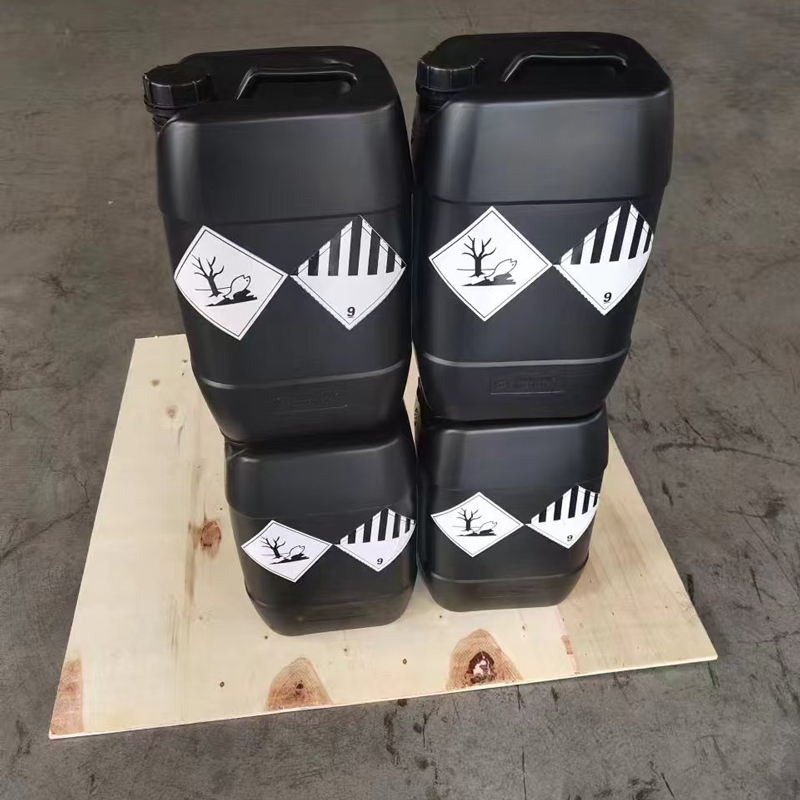
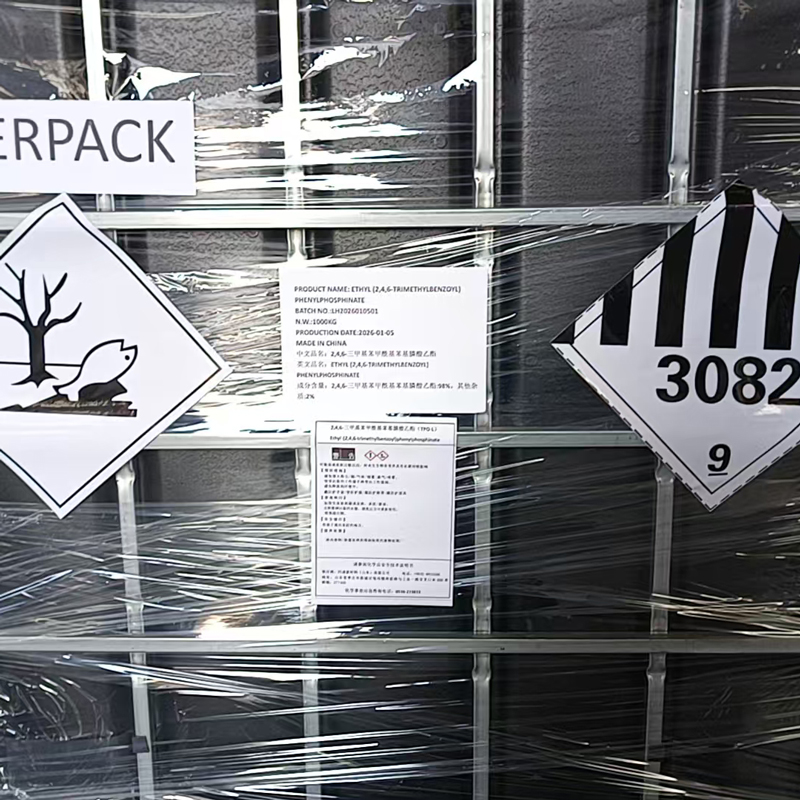
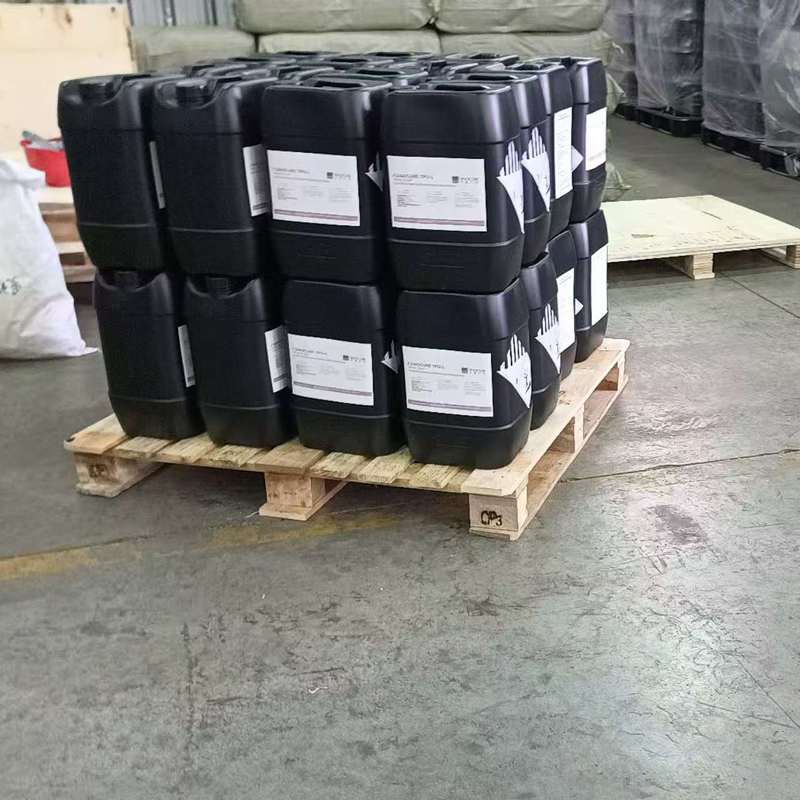
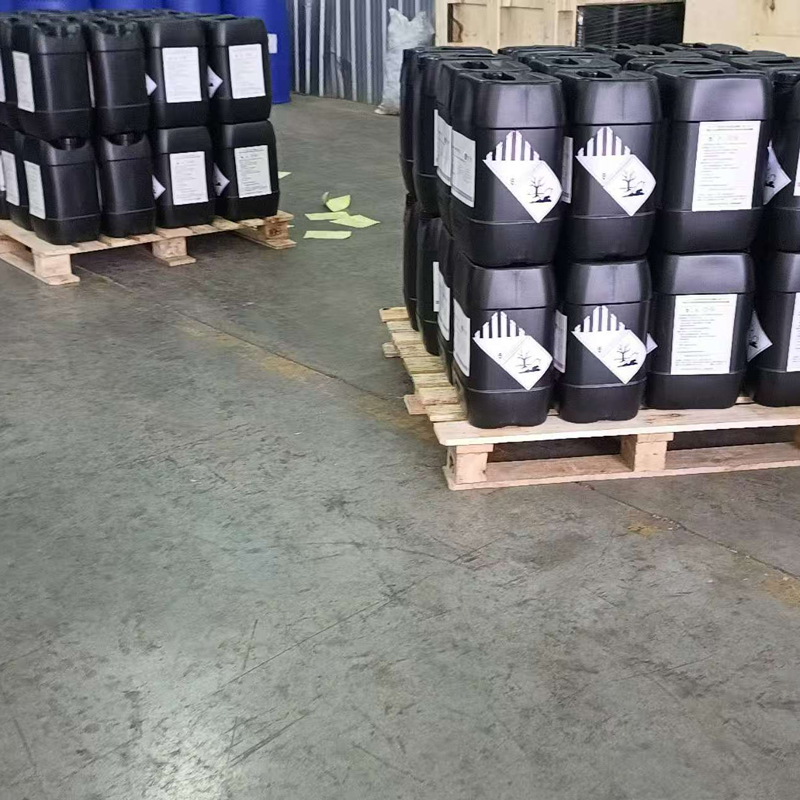
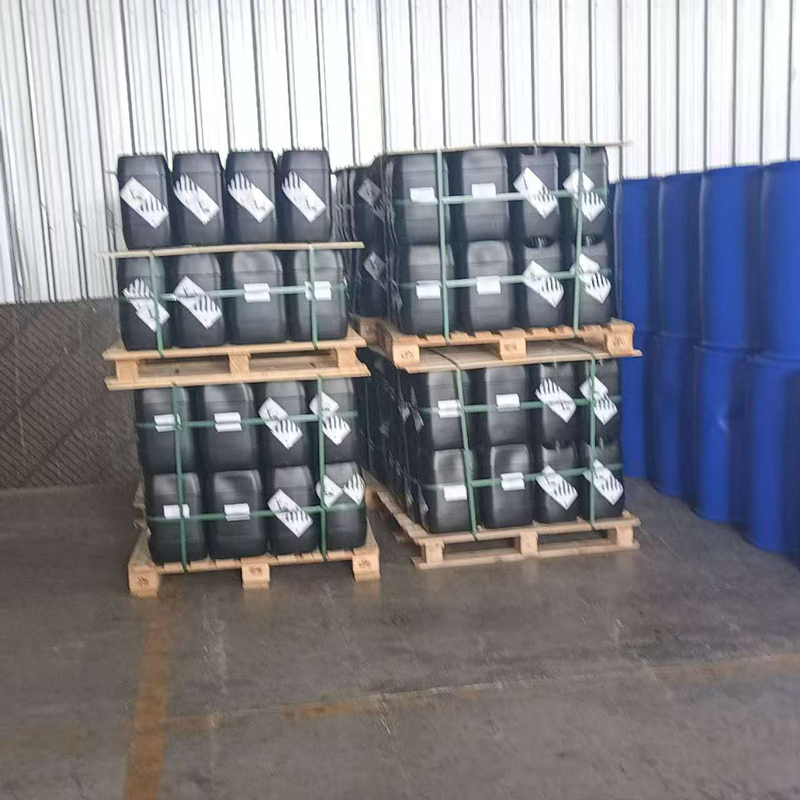
Store in a cool, dry place protected from light. Shelf life: 2 years. Follow chemical safety regulations during handling.
Summary: TPO-L has emerged as a pivotal component in high-performance light-curing formulations, owing to its multifaceted advantages: liquid applicability, exceptional deep-curing capability, minimal yellowing, and seamless compatibility with LED curing systems. This makes it indispensable across both traditional industries and emerging manufacturing sectors.
Frequently Asked Questions
What are the main advantages of TPO-L being in liquid form?
The liquid form of TPO-L at room temperature makes it exceptionally easy to mix uniformly into various formulations, enhancing production efficiency compared to powder alternatives.
Is TPO-L suitable for curing thick or highly pigmented coatings?
Yes. Due to its strong absorption at 370 nm, TPO-L provides excellent depth of curing, making it ideal for thick layers and white or high-pigment systems.
Can TPO-L be used with UV-LED light sources?
Absolutely. TPO-L is fully compatible with both traditional UV mercury lamps and modern energy-saving LED curing light sources.
Why is TPO-L preferred for food packaging and clear varnishes?
It is preferred because of its low yellowing characteristics and low inherent odor, ensuring that the visual quality and safety requirements of packaging and high-end finishes are met.
What is the recommended dosage for TPO-L in a formulation?
The typical dosage ranges from 0.5% to 5% by weight. It is often used in combination with other photoinitiators like 1173 or 184 to balance surface and depth curing.
How should TPO-L be stored to maintain its shelf life?
It should be stored in a cool, dry environment and strictly protected from light. Under these conditions, it typically maintains a shelf life of 2 years.