







High-cost-performance photoinitiator benzophenone
product description
Notably, it belongs to the same photoinitiator family as TPO-L, which you previously focused on, but operates through different mechanisms (benzophenone is Type II and requires a co-initiator, while TPO-L is Type I and can generate free radicals independently). In practical formulations, they are often combined to achieve synergistic effects, resulting in superior curing performance and deeper curing capacity.
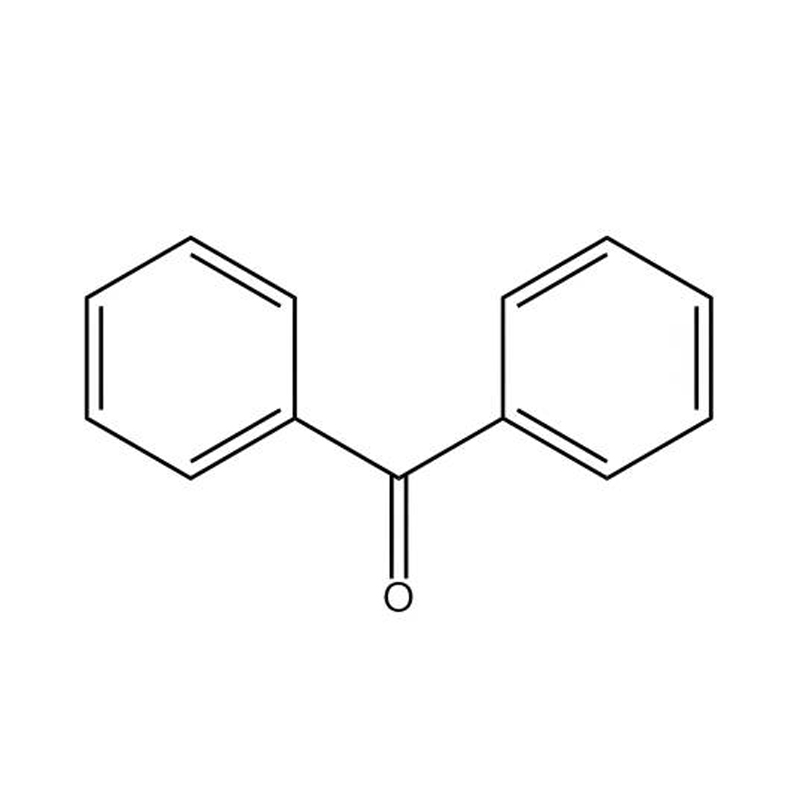
Chinese name: Benzophenone
English name Benzophenone
Molecular formula: C₁₃H₁₀O
CAS number 119-61-9
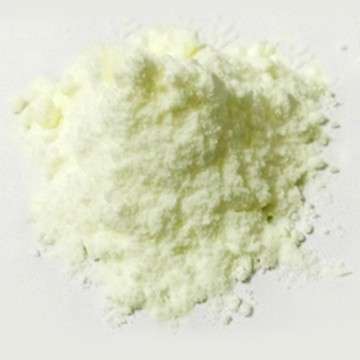
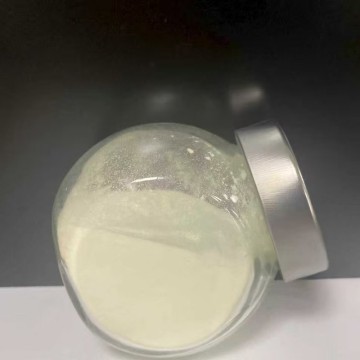
Appearance: White to pale yellow flaky or needle-like crystals with a rose-like odor
Core characteristics: Photochemical activity: Upon absorption of ultraviolet light (UVA, ~365nm), it can abstract hydrogen from hydrogen donors (e.g., amines) to generate reactive free radicals, thereby initiating polymerization.
Main Application Areas
Due to its photoactivity and UV absorption capability, benzophenone has a wide range of applications:
1. As a photoinitiator
Application fields: UV-curing coatings, inks, adhesives, photoresists.
Mechanism of action: Upon absorption of UV light, it synergistically interacts with co-initiators such as amines to generate free radicals, thereby initiating rapid polymerization and curing of monomers like acrylates. Its characteristics include low cost and good stability, but it is sensitive to oxygen inhibition and often requires use under nitrogen protection or in combination with other initiators.
2. As a UV absorber
Application areas: sun protection and personal care products (e.g. sunscreen), plastic products (anti-aging, yellowing), food packaging (UV blocking to protect contents).
Mechanism of action: It provides protective effects by absorbing ultraviolet (UV) light and converting it into harmless heat release. However, attention should be paid to the additive limits in certain fields (e.g., food contact materials).
3. As a fragrance fixative and intermediate
Spices: Used in daily chemical products such as soaps and detergents due to their long-lasting rose fragrance.
Pharmaceutical/pesticide intermediates: These are critical raw materials for synthesizing antihistamines (e.g., diphenhydramine) and insecticides.
Security and Usage Notes
Stability and Storage: The chemical properties are relatively stable, but it should be stored in a cool place, protected from light and sealed.
Safety and Regulatory Considerations: It exhibits certain irritancy to the skin and eyes. In recent years, its potential endocrine-disrupting effects (estrogen-like effects) have drawn attention, leading to stringent restrictions on its use in specific areas such as food packaging (e.g., the EU imposes limits on specific migration levels for food-contact plastics).
Operational recommendations: Protective gloves and goggles should be worn during industrial operations.