
Leave Your Message
Our top-performing photoinitiator products trusted by leading Dutch PCB and electronics manufacturers.
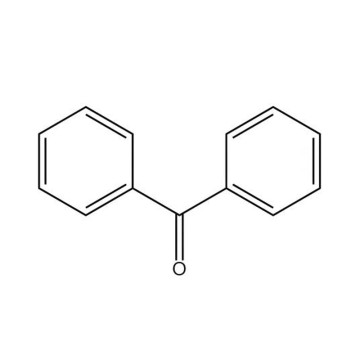
Benzophenone is a classic aromatic ketone photoinitiator widely used in UV curing systems.
+ Read More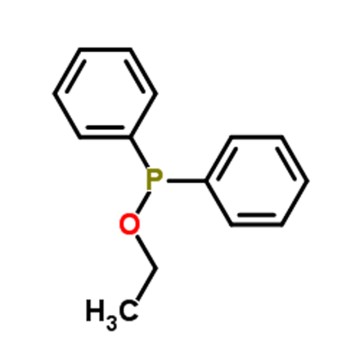
Diphenylethoxyphosphine (EDPP) is a widely used photoinitiator intermediate with high purity.
+ Read More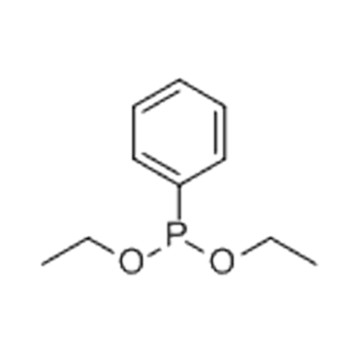
Diethyl phenyl phosphin is an important photoinitiator intermediate for advanced UV applications.
+ Read More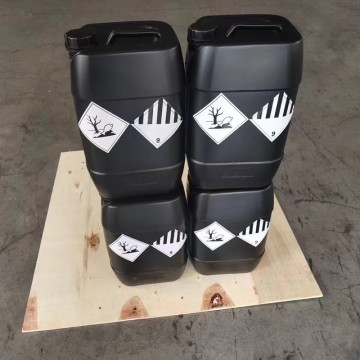
TPO-L is a highly efficient liquid photoinitiator ideal for thick-layer UV curing systems.
+ Read MoreThe Netherlands has long been one of Europe's most dynamic technology and manufacturing hubs. With Eindhoven's high-tech ecosystem — home to ASML, Philips, and NXP Semiconductors — and the broader Brainport region driving innovation in semiconductors and precision electronics, the demand for high-performance PCB substrates, including glass-based PCB boards, has grown substantially over the past decade.
Glass PCB boards offer superior dimensional stability, excellent thermal resistance, low dielectric loss, and exceptional flatness compared to conventional FR4 substrates. These properties make them indispensable for advanced applications in 5G telecommunications, automotive electronics, medical devices, and high-frequency sensor systems — all sectors where Dutch industry excels.
⚡ The Dutch electronics manufacturing sector contributes over €30 billion annually to GDP, with PCB-related materials representing a fast-growing sub-segment driven by smart industry and EV adoption.
As the Netherlands accelerates its transition toward Industry 4.0 and green energy infrastructure, the role of specialty chemicals — including photoinitiators used in PCB solder mask and UV-curable coatings — has become strategically critical for local OEMs and EMS providers.
Understanding the local commercial and industrial context helps us deliver more relevant solutions to Dutch buyers.
The Brainport region is one of the world's top technology innovation hubs. Hundreds of electronics firms here demand precision PCB materials with ultra-tight tolerances and superior thermal performance — exactly where glass PCB substrates excel.
With DAF Trucks, VDL Group, and Stellantis operations in the Netherlands, automotive-grade electronics demand is surging. Glass PCB boards with low CTE and high-frequency stability are critical for power inverters, ADAS modules, and battery management systems.
The Netherlands is among Europe's leaders in 5G rollout. Ericsson, Nokia, and local telecom operators require mmWave-compatible PCB substrates with low dielectric loss — a key advantage of glass-based PCB materials over traditional laminates.
Philips Healthcare, Siemens Healthineers NL, and hundreds of MedTech SMEs in the Netherlands require biocompatible, dimensionally stable PCB substrates for imaging equipment, diagnostic tools, and wearable medical devices.
The Netherlands' ambitious solar energy targets and offshore wind expansion programs are driving demand for durable PCBs in inverters and power electronics — applications where glass PCB's thermal stability delivers a clear competitive edge.
As Europe's largest port, Rotterdam enables seamless import of specialty chemicals and PCB raw materials from Asia. Our REACH-certified photoinitiators ship efficiently via Rotterdam, ensuring fast lead times for Dutch manufacturers.
Dutch OEMs are pushing for ever-smaller, higher-performance electronics. Glass PCB's superior flatness and dimensional stability enable finer line widths and tighter via pitches required by HDI designs in consumer electronics and industrial sensors.
The EU's strict chemical regulations under REACH are reshaping procurement decisions. Buyers in the Netherlands increasingly prioritize suppliers with certified compliance — our REACH certification for TPO-L (100-ton scale, 2025) directly addresses this requirement.
UV curing technology is rapidly replacing thermal curing in PCB solder mask processes across European fabs. This shift directly increases demand for high-efficiency photoinitiators such as TPO-L, Benzophenone, and Photoinitiator 184.
The semiconductor packaging revolution — including fan-out WLP and 2.5D/3D IC integration — requires ultra-flat glass substrates. NXP and ASML's supply chains are creating downstream demand for glass PCB materials among Dutch EMS providers.
Post-pandemic, Dutch manufacturers are diversifying supply chains. Our warehouses in Shandong and Jiangsu, combined with Rotterdam port access, offer a reliable, dual-node supply model that reduces lead time risk for Netherlands buyers.
The growth of AI inference hardware, edge computing modules, and IoT gateways is creating new demand for low-loss, high-frequency PCB substrates. Glass PCB boards are increasingly specified for these next-generation applications.
From Eindhoven's tech corridors to Rotterdam's industrial zones — here's how Glass PCB materials are deployed locally.
Ultra-flat glass PCB substrates for lithography machine control boards and precision sensor arrays.
High-thermal-stability glass PCBs for engine control units, ADAS processors, and EV battery management.
Low-loss glass substrates for mmWave antenna modules deployed by Dutch telecom operators.
Biocompatible, dimensionally stable glass PCBs for MRI, CT scanner, and ultrasound electronics.
Thermally robust glass PCBs for residential and commercial solar inverter power stages across the Netherlands.
Marine-grade glass PCBs for wind turbine control electronics in North Sea offshore wind farms.
Miniaturized glass PCB modules for industrial IoT sensors deployed in Dutch smart factory environments.
High-reliability glass PCBs for avionics, radar, and communication systems in Dutch defense programs.
Our team brings over a decade of expertise in photoinitiator production, maintaining close partnerships with industry-leading manufacturers to guarantee consistent, premium-grade products.
Successfully obtained REACH certification for TPO-L (100-ton equipment scale) in 2025 — ensuring full compliance with EU chemical regulations critical for Netherlands market entry.
Warehouses in both Shandong and Jiangsu provinces enable reliable, timely delivery. Rotterdam port access ensures efficient EU-bound shipments with competitive freight rates.
Dedicated R&D department equipped with infrared spectroscopy, Agilent Shimadzu GC-LC systems, and GC-MS instruments — continuously advancing product formulations.
From intermediate production stages, we can promptly address customer-specific substance requirements based on raw materials and production processes — 100% after-sales follow-up guaranteed.
Our continuous manufacturing capability supports diverse packaging specifications — from small R&D samples to bulk industrial orders — meeting the varied needs of Dutch buyers.
Established in 2019, Suzhou Shunyida Chemical Technology Co., Ltd. is headquartered in Mudu Ancient Town, a picturesque water town in Suzhou. With over thirty employees, the company has grown significantly over the past seven years, selling nearly 10,000 tons of photoinitiator intermediates and select photoinitiators, generating sales of approximately 100 million yuan.
It ranks among the top in the industry for tax contributions and product quality. The company maintains a 100% customer satisfaction rate, zero product returns, and 100% after-sales follow-up rate — standards that make us the preferred supplier for Netherlands-based electronics and PCB manufacturers seeking reliable specialty chemical partners.
Our REACH-certified product line, competitive pricelist, and dedicated EU logistics support make us uniquely positioned to serve the Netherlands market with speed and precision.
View More About Us
The company has a professional R&D team and a professional team that has been engaged in the production of photoinitiators, epoxy resins, acryloyl chlorides and other fine chemical products for many years.
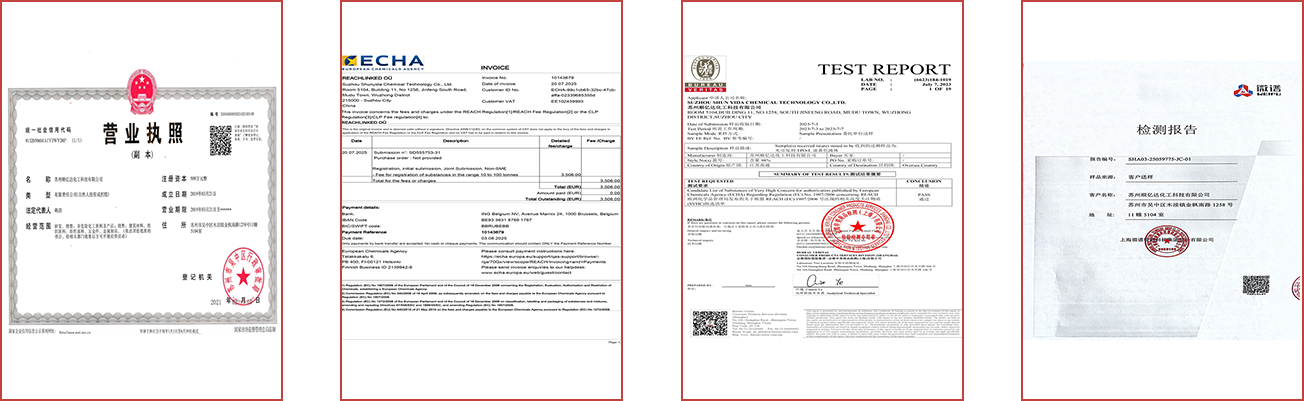

Stay updated on the latest developments in photoinitiator technology, UV curing innovations, and industry applications relevant to the Netherlands market.
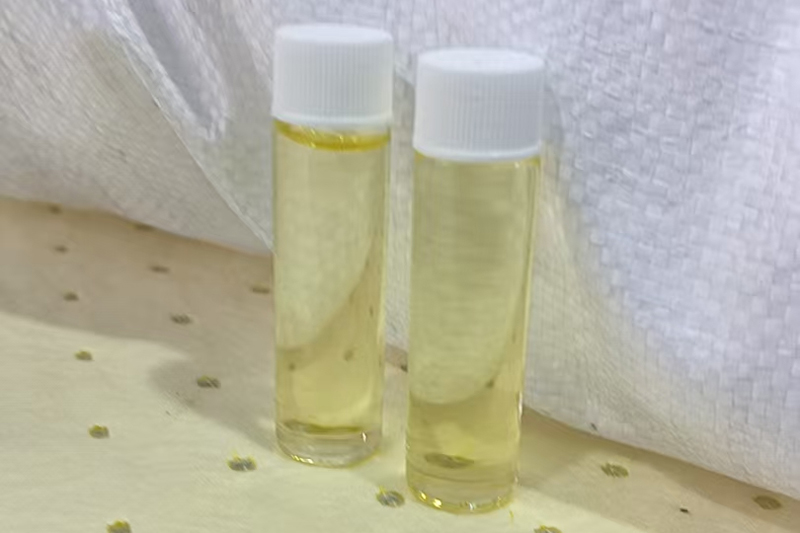
Application prospects of photoinitiator TPO-L in 3D printing field
Explore more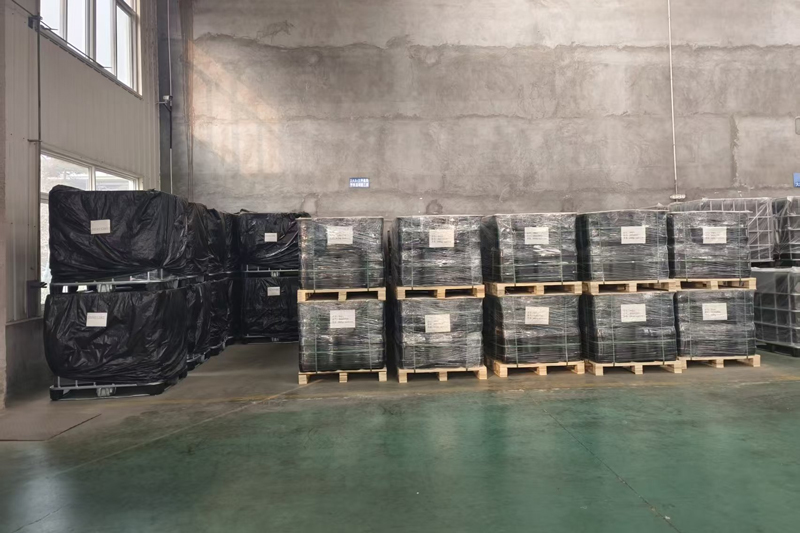
TPO-L photoinitiator supports innovation in the coatings industry
Explore more
TPO-L photoinitiator successfully replaces TPO, promoting the upgrading of the UV curing industry
Explore more
The promotion and application of TPO-L photoinitiator helps enterprises achieve green transformation
Explore more
TPO-L replaces TPO, ushering in a new era of photoinitiators
Explore more
Innovative application of acryloyl chloride and methacryloyl chloride in the field of adhesives
Explore moreGet a customized quotation for Glass PCB Board photoinitiator chemicals — competitive pricing, REACH-compliant, with fast delivery to Amsterdam, Rotterdam, Eindhoven and across the Netherlands.
Contact Us for PricelistExplore our full range of photoinitiators, intermediates, and specialty chemicals — all available with competitive Netherlands market pricing.
Benzophenone is a classic aromatic ketone photoinitiator widely used in UV curing systems.
+ Read More
Diphenylethoxyphosphine (EDPP) is a widely used photoinitiator intermediate with high purity.
+ Read More
Diethyl phenyl phosphin is an important photoinitiator intermediate for advanced UV applications.
+ Read More
TPO-L is a highly efficient liquid photoinitiator ideal for thick-layer UV curing systems.
+ Read More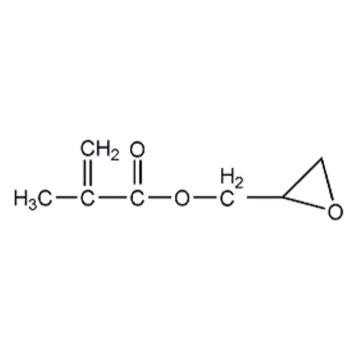
Glycidyl methacrylate (GMA), a reactive monomer widely used in polymer modification and coatings.
+ Read More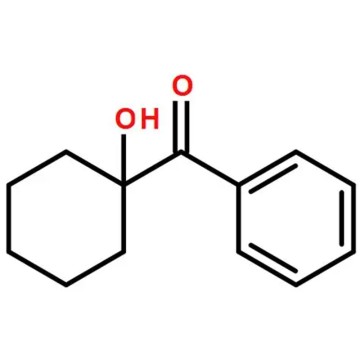
Photoinitiator 184, a widely used Norrish Type I initiator with excellent yellowing resistance.
+ Read More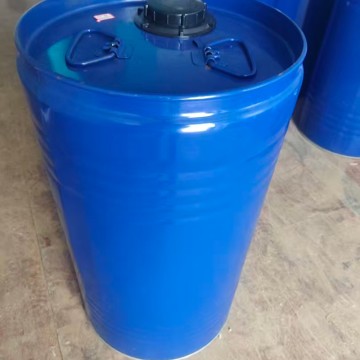
Methacryloyl chloride is a very important organic synthesis intermediate for pharmaceutical and electronic applications.
+ Read More
Acryloyl chloride is a very important organic synthesis intermediate for medical and electronics-grade applications.
+ Read More