
Leave Your Message
Panama is rapidly transforming from a purely logistical transit hub into a technological gateway for Central and South America. Strategically positioned with the Panama Canal and the Colón Free Trade Zone, the country is witnessing an unprecedented surge in digital infrastructure investments. At the heart of this technological evolution is the demand for high-performance fiberglass circuit boards (PCBs). Used in everything from maritime navigation systems to smart port logistics and telecommunication grids, fiberglass circuit boards require robust chemical engineering to withstand Panama's unique tropical environment.
High humidity, salinity, and elevated temperatures in coastal regions like Balboa and Cristobal place extreme demands on electronic components. Consequently, manufacturers supplying the Panamanian market must prioritize raw material quality, particularly in the protective layers of the circuit board. Solder masks, photoresists, and conformal coatings must be cured using highly stable photoinitiators and chemical intermediates to prevent delamination, corrosion, and electrical failures.
Suzhou Shunyida Chemical Technology Co., Ltd. (SHUNYI) stands at the forefront of this supply chain, delivering premium chemical intermediates that ensure the durability and reliability of PCBs manufactured for and deployed in Panama. By offering high-purity photoinitiators and monomers, we enable manufacturers to produce high-performance fiberglass circuit boards that meet the rigorous standards of Panamanian industries.
These key chemical intermediates are vital for formulating high-durability UV-cured solder masks on fiberglass circuit boards.
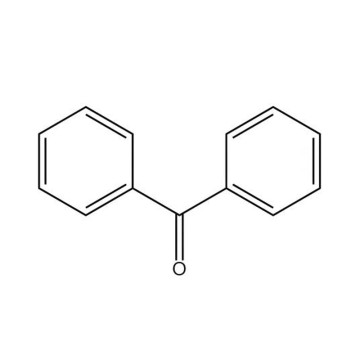
Benzophenone is a classic aromatic ketone used as a photoinitiator for curing solder masks on fiberglass circuit boards.
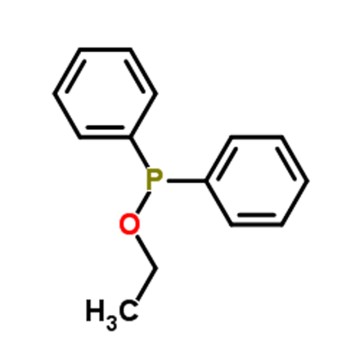
Diphenylethoxyphosphine (EDPP) is a widely utilized intermediate for synthesizing advanced photoinitiators for electronics.
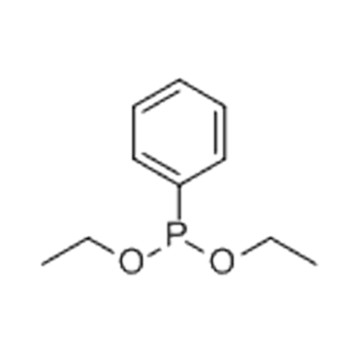
Diethyl phenyl phosphin is an important intermediate in the production of high-efficiency photoinitiators for circuit board coatings.
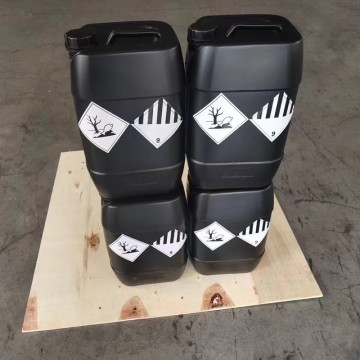
TPO-L is a highly efficient liquid photoinitiator ideal for low-yellowing, fast-curing coatings on fiberglass circuit boards.
Fiberglass circuit boards (principally FR-4 based) serve as the foundation for modern electronics. In Panama, the industrial demand is segmented into several critical sectors:
The Panama Canal's ongoing modernization projects involve automated traffic management systems, weather monitoring stations, and telemetry sensors. These devices operate in extremely corrosive marine environments. Fiberglass PCBs used here require heavy-duty solder masks cured with advanced photoinitiators (such as TPO-L and Photoinitiator 184) to prevent copper trace degradation from salt spray and moisture intrusion.
With Panama City serving as a financial hub, high-speed connectivity is paramount. The rollout of 5G telecom towers across the country requires high-frequency fiberglass circuit boards. The reliability of these boards depends on precise photolithography during manufacturing, which is enabled by high-purity chemical intermediates like Glycidyl Methacrylate (GMA) and Acryloyl Chloride.
Panama is actively investing in renewable energy, particularly solar farms in provinces like Chiriquí and Coclé. Solar grid inverters and battery management systems rely on thick-copper fiberglass PCBs to handle high currents. UV-cured protective coatings ensure these boards survive decades of intense solar radiation and outdoor heat.

Why global and Panamanian electronics manufacturers trust SHUNYI for chemical raw materials.
Our company boasts a team with over a decade of expertise in photoinitiator production, maintaining close business ties with industry leaders.
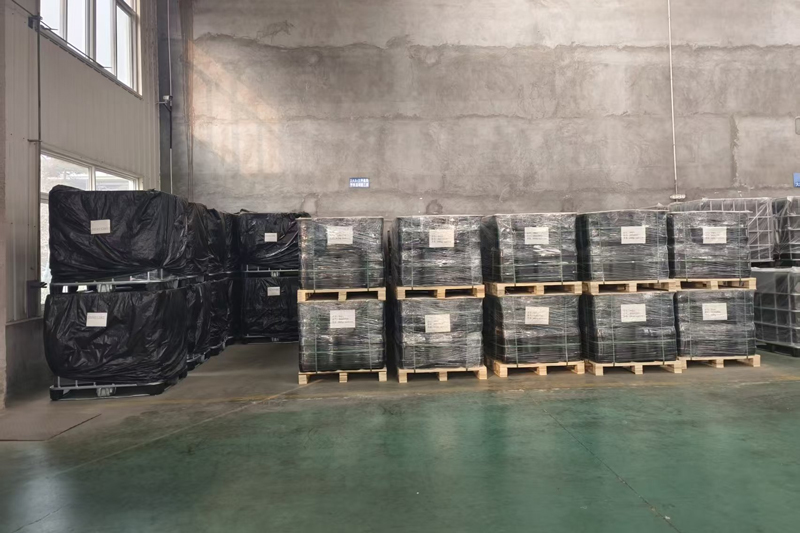
The company maintains warehouses in Shandong and Jiangsu, ensuring timely delivery to global shipping routes including the Panama Canal ports.
The production base's continuous manufacturing capability can meet customers' diverse packaging specifications requirements.
From the production of intermediates, when customers request specific substances in the product, we can promptly address them based on processes at each stage.
The company has established a dedicated R&D department, equipped with advanced instruments including infrared spectroscopy, Agilent Shimadzu gas-liquid chromatography, and GC-MS.
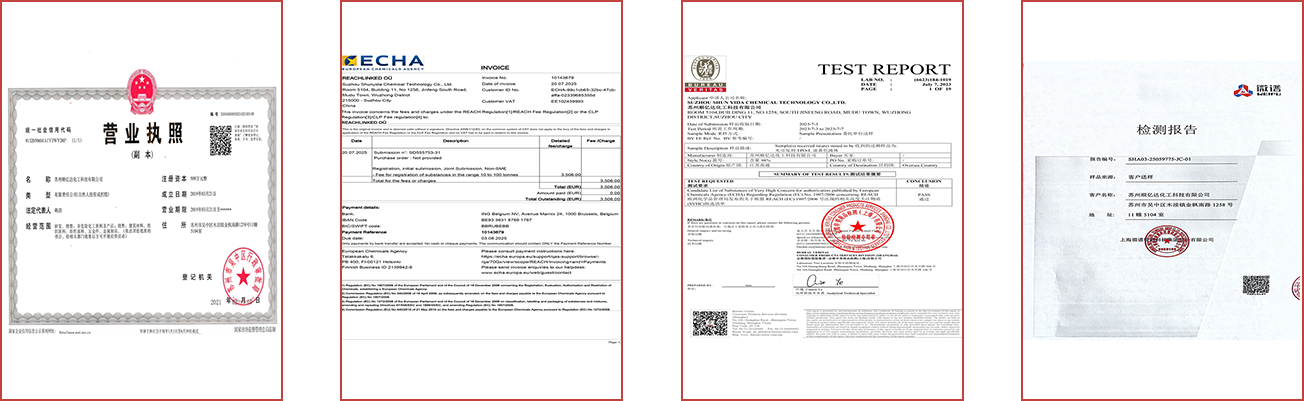
The company successfully obtained REACH certification for TPO-L 10-100-ton equipment in 2025, validating our commitment to global safety standards.
The company has a professional R&D team and a professional team that has been engaged in the production of photoinitiators, epoxy resins, acryloyl chlorides and other fine chemical products for many years.

Stay updated with the latest technological developments and industry breakthroughs from SHUNYI.
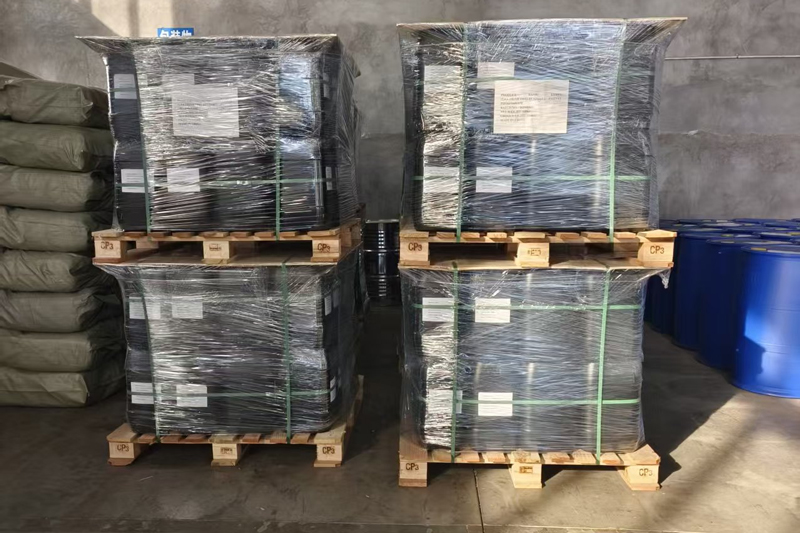
Our full catalog of high-purity photoinitiators and chemical intermediates available for immediate quote and dispatch to Panama.
Benzophenone is a classic aromatic ketone used as a photoinitiator for curing solder masks on fiberglass circuit boards.
Diphenylethoxyphosphine (EDPP) is a widely utilized intermediate for synthesizing advanced photoinitiators for electronics.
Diethyl phenyl phosphin is an important intermediate in the production of high-efficiency photoinitiators for circuit board coatings.
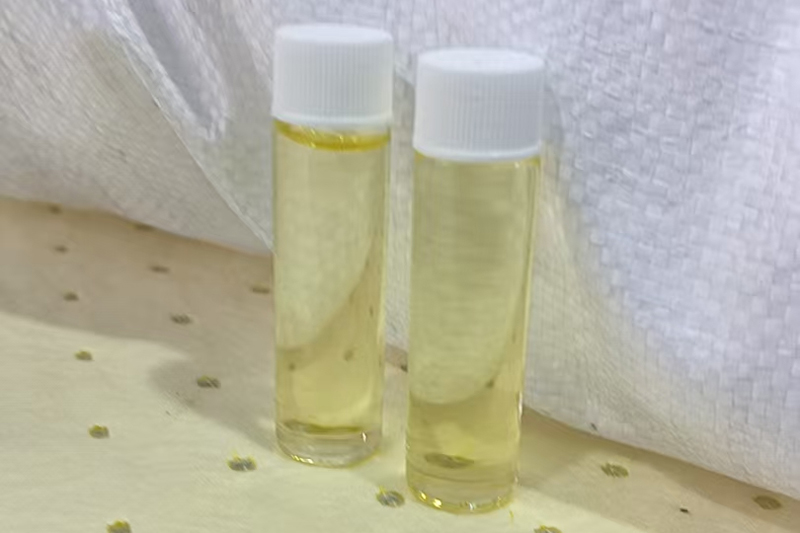
TPO-L is a highly efficient liquid photoinitiator ideal for low-yellowing, fast-curing coatings on fiberglass circuit boards.
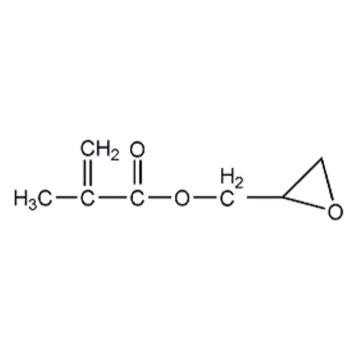
Glycidyl methacrylate (GMA), a reactive monomer, provides excellent adhesion and durability for electronics-grade resins.
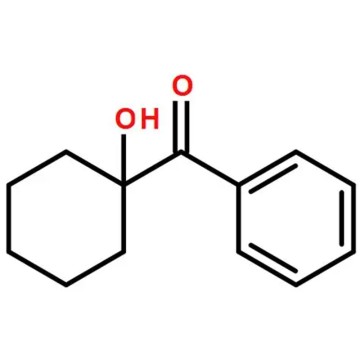
Photoinitiator 184, a widely used Norrish Type I photoinitiator, is highly efficient for curing clear coatings without yellowing.
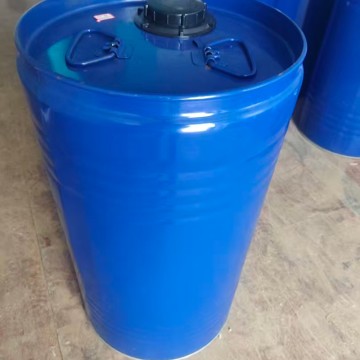
Methyl acryloyl chloride is a very important intermediate for preparing functional monomers used in advanced PCB adhesives.
Acryloyl chloride is a key building block for synthesizing specialized polymers, electronics coatings, and pharmaceutical intermediates.