
Leave Your Message
Essential components enabling high-precision diagnostic and drug discovery equipment.
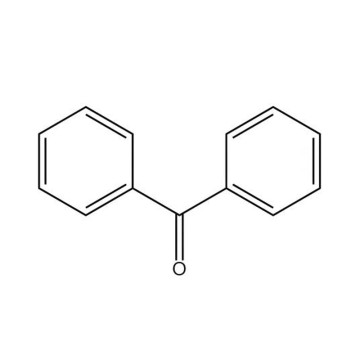
Benzophenone is a classic aromatic ketone used as a high-performance coating initiator for precision medical PCBs, ensuring stable trace protection.
Read More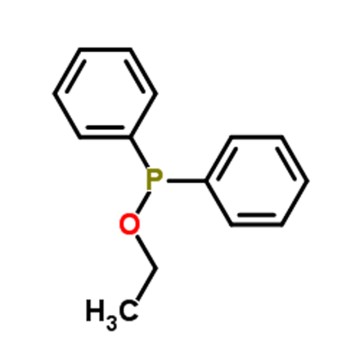
Diphenylethoxyphosphine (EDPP) applied in advanced PCB solder masks, providing low-chlorinated, highly pure surfaces ideal for cleanroom environments.
Read More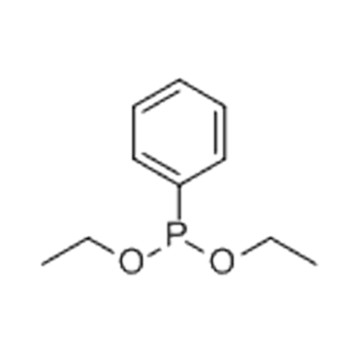
Diethyl phenyl phosphin acts as a critical intermediate for creating ultra-fine microfluidic channels on epoxy PCB substrates used in drug screening.
Read More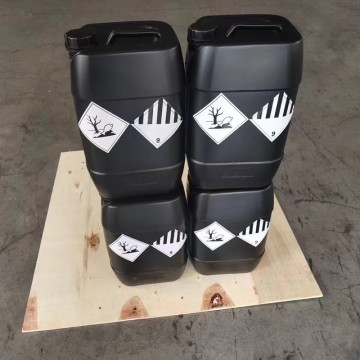
TPO-L is a highly efficient liquid photoinitiator tailored for rapid UV-curing of epoxy resins on diagnostic PCBs, enhancing production throughput.
Read MoreThe intersection of advanced electronics and biotechnology has ushered in a new era of medical innovation, particularly in the highly specialized field of rare disease and orphan drug discovery. At the heart of this technological revolution lies a seemingly ubiquitous yet highly engineered component: the Epoxy PCB Board (Printed Circuit Board). While traditional PCBs are known for powering consumer electronics and industrial machinery, specialized epoxy-based printed circuit boards have become the unsung heroes in modern biomedical laboratories. Their unique chemical, thermal, and electrical properties make them the foundational substrate for high-throughput screening (HTS) machines, DNA sequencers, microfluidic devices, and biosensors—tools that are absolutely critical for accelerating the discovery of orphan drugs.
Rare diseases, defined in the United States as conditions affecting fewer than 200,000 individuals, collectively impact hundreds of millions of people worldwide. Because the patient population for any single rare disease is small, pharmaceutical companies have historically struggled to justify the massive research and development (R&D) costs associated with finding cures. These drugs, known as "orphan drugs," require highly targeted, precision-engineered discovery processes. This is where the Epoxy Pcb Board For Rare Disease And Orphan Drug Discovery becomes indispensable. By enabling miniaturization and automation in the lab, these advanced electronic substrates drastically reduce the time and cost associated with molecular screening and genetic analysis.
💡 Industry Insight: The global market for orphan drugs is projected to grow exponentially, driven by advancements in genomic sequencing and targeted therapies. Specialized epoxy PCBs are the physical platforms that allow these complex computational and biological processes to occur simultaneously in a sterile, controlled environment.
Commercially, the demand for medical-grade epoxy PCBs has surged alongside the rise of personalized medicine and pharmacogenomics. The industrial landscape for manufacturing these boards is highly regulated and requires strict adherence to ISO 13485 (medical devices) and FDA compliance standards. Unlike consumer PCBs, the boards used in orphan drug discovery equipment must exhibit zero outgassing, extreme chemical resistance, and perfect signal integrity. Even the slightest electrical noise or chemical leaching could corrupt a biological sample or lead to false data during a high-throughput screening process.
Manufacturers of these specialized boards are increasingly utilizing advanced FR-4 (Flame Retardant 4) epoxy laminates, often combined with high-frequency materials like polyimide or PTFE, to meet the rigorous demands of biotech laboratories. The supply chain for these components is tightly controlled. Companies involved in producing chemical intermediates—such as high-purity photoinitiators and acryloyl chlorides—play a crucial role in formulating the solder masks, conformal coatings, and photolithography agents used to etch microscopic circuits onto these epoxy boards. The synergy between fine chemical manufacturing and electronic engineering is what makes the modern Epoxy Pcb Board For Rare Disease And Orphan Drug Discovery possible.
Investment in this sector is heavily driven by biotech startups and established pharmaceutical giants looking to optimize their R&D pipelines. As AI-driven drug discovery platforms become more prevalent, the hardware running these platforms requires PCBs capable of handling massive data throughput with minimal latency and high thermal dissipation. Consequently, the industrial trend is shifting towards high-layer-count epoxy PCBs with embedded active and passive components, reducing the footprint of diagnostic machines while exponentially increasing their processing power.
To understand why epoxy-based PCBs are uniquely suited for orphan drug discovery, one must delve into the material science. The standard FR-4 PCB is composed of woven fiberglass cloth with an epoxy resin binder that is flame resistant. However, for medical and diagnostic applications, this epoxy matrix is heavily modified. The chemical inertness of high-grade epoxy is paramount. In drug discovery, PCBs are often integrated into microfluidic chips or "lab-on-a-chip" (LOC) devices where they come into close proximity with aggressive chemical reagents, biological buffers, and organic solvents.
The practical applications of the Epoxy Pcb Board For Rare Disease And Orphan Drug Discovery are vast and deeply integrated into the modern scientific method. Let us explore the primary scenarios where these advanced electronic substrates are making a life-saving difference:
1. Microfluidics and Lab-on-a-Chip (LOC) Technology: Microfluidics involves the manipulation of fluids at the sub-millimeter scale. In orphan drug discovery, researchers use LOC devices to test how rare disease cells react to thousands of different drug compounds simultaneously. These microfluidic channels are often mounted directly onto, or integrated with, highly specialized epoxy PCBs. The board provides the electrical stimulation, temperature control, and sensor readout required to monitor the cellular reactions in real-time. Without the structural and electrical reliability of the epoxy PCB, such micro-scale precision would be impossible.
2. Next-Generation Sequencing (NGS): Many rare diseases are genetic in origin. NGS machines can sequence an entire human genome in a matter of hours, allowing researchers to pinpoint the exact genetic mutation causing an orphan disease. Inside these massive machines are complex arrays of high-density epoxy PCBs. These boards process terabytes of optical and electrical data generated by the sequencing sensors. The thermal management properties of the epoxy resin ensure that the high-powered processors do not overheat the sensitive biological samples being analyzed.
3. High-Throughput Screening (HTS) Robotics: Finding a cure for a rare disease often involves screening libraries of millions of chemical compounds. This is done using automated robotic arms and optical readers. The control systems, motor drives, and optical sensor arrays of these HTS robots rely on robust, multi-layer epoxy PCBs. The reliability of these boards ensures that the robots can operate 24/7 without failure, drastically shortening the drug discovery timeline.
4. Wearable Clinical Trial Monitors: Once a potential orphan drug is discovered, it must undergo clinical trials. Because patient populations for rare diseases are small and geographically dispersed, decentralized clinical trials using wearable biosensors have become standard. Flexible and rigid-flex epoxy PCBs are used to create comfortable, wearable monitors that track a patient's vital signs, drug metabolism, and adverse reactions in real-time, transmitting the data securely back to the researchers.
Looking ahead, the evolution of the Epoxy Pcb Board For Rare Disease And Orphan Drug Discovery is closely tied to the integration of Artificial Intelligence (AI). AI algorithms require immense computational power at the edge (within the diagnostic device itself). We are seeing a trend towards "smart PCBs" that embed AI accelerators directly onto the epoxy substrate. This allows for real-time data analysis during drug screening, identifying promising chemical compounds instantly without needing to send data to a central server.
Furthermore, the push towards sustainability is driving the development of bio-based epoxy resins. As the pharmaceutical industry strives to reduce its carbon footprint, PCB manufacturers are exploring epoxy alternatives derived from renewable resources that still meet the stringent medical-grade specifications required for biotech applications. Miniaturization will also continue to push the boundaries of photolithography and chemical etching, relying heavily on high-purity chemical intermediates to create traces at the nanometer scale.
In conclusion, while the focus of orphan drug discovery is rightly on the biological and chemical breakthroughs, the foundational hardware cannot be overlooked. The specialized epoxy PCB acts as the nervous system for the world's most advanced medical equipment. By bridging the gap between electronic engineering, chemical synthesis, and biological research, these specialized circuit boards are quietly accelerating the pace at which life-saving treatments are delivered to patients suffering from rare and neglected diseases.
Established in 2019, Suzhou Shunyida Chemical Technology Co., Ltd. is headquartered in Mudu Ancient Town, a picturesque water town in Suzhou. With over thirty employees, the company has grown significantly over the past seven years, selling nearly 10,000 tons of photoinitiator intermediates and select photoinitiators, generating sales of approximately 100 million yuan.
It ranks among the top in the industry for tax contributions and product quality. The company maintains a 100% customer satisfaction rate, zero product returns, and 100% after-sales follow-up rate. Our chemical expertise directly supports the photolithography and material science required for advanced PCB manufacturing.
View More
Powering the supply chain for advanced electronics and chemical intermediates.
From the production of intermediates, when customers request specific substances in the product, we can promptly address them based on raw materials and processes.
The company has established a dedicated R&D department, equipped with advanced instruments including infrared spectroscopy, GC-MS, and gas-liquid chromatography.
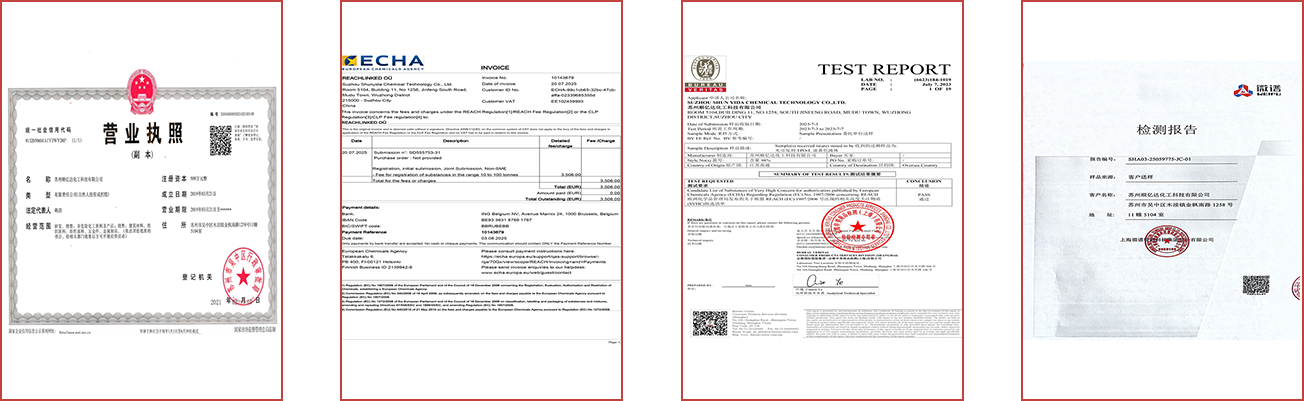
The company successfully obtained REACH certification for TPO-L10-100-ton equipment in 2025, ensuring global compliance for our materials.
Our company boasts a team with over a decade of expertise in photoinitiator production, maintaining close business ties with industry leaders.
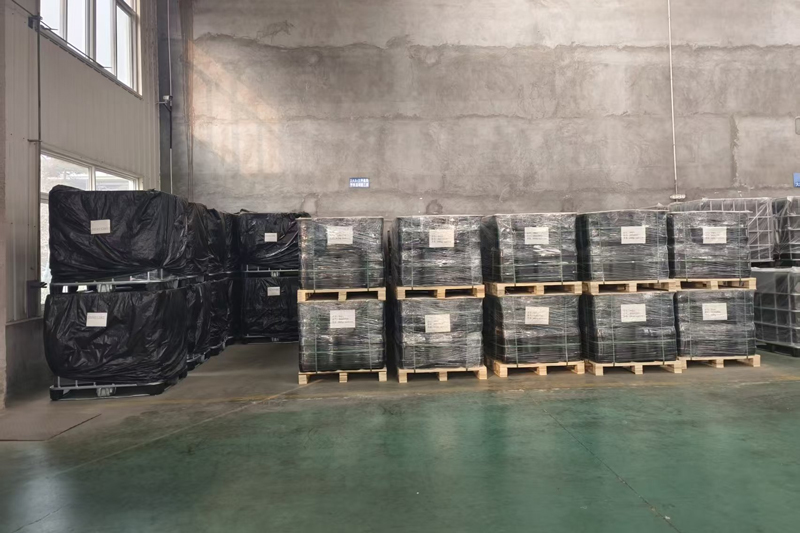
The company maintains warehouses in Shandong and Jiangsu, ensuring timely delivery for critical manufacturing supply chains.
The production base's continuous manufacturing capability can meet customers' diverse packaging specifications and bespoke requirements.
The company has a professional R&D team and a professional team that has been engaged in the production of photoinitiators, epoxy resins, acryloyl chlorides and other fine chemical products for many years.

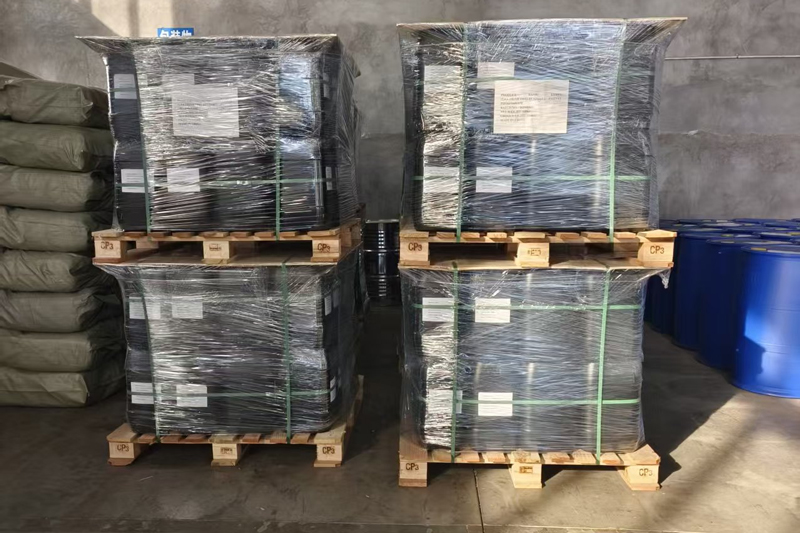
Comprehensive material solutions driving the future of orphan drug discovery hardware.
High-cost-performance formulation utilizing benzophenone to ensure perfect trace etching on diagnostic PCBs.
Read More
Low-chlorinated diphenylethoxyphosphine (>99%) applied to create hyper-sterile environments on testing boards.
Read More
Diphenylphosphinic Acid Diethyl Ester integrated into the manufacturing of microfluidic sensor arrays.
Read More
Utilizing Photoinitiator Ethyl 2,4,6-trimethylbenzoylphenylphosphonate for superior thermal resistance in PCR machines.
Read More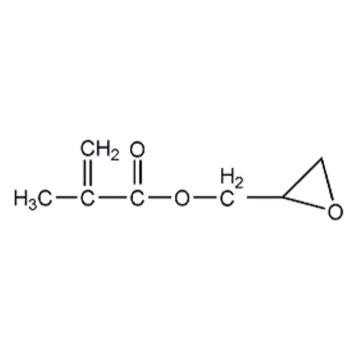
High-purity glycidyl methacrylate (GMA>99.9%) applied as a protective layer against harsh lab chemicals.
Read More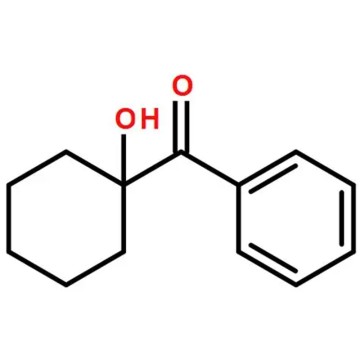
Photoinitiator 184 (yellow resistance) ensuring optical clarity for PCBs used in light-based genetic research.
Read More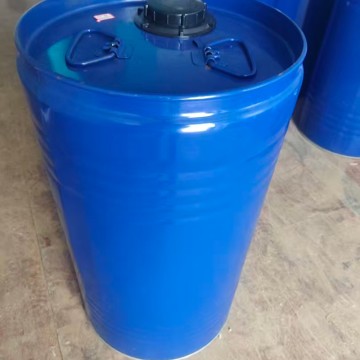
High-purity methacryloyl chloride (>99%) used in the synthesis of biosensor adhesives on electronic boards.
Read More
Medical-grade/electronic-grade acryloyl chloride supporting flexible circuits for wearable clinical trial monitors.
Read More