
Leave Your Message
Understanding the critical role of epoxy-based printed circuit boards in modern pharmaceutical and clinical manufacturing environments.
In the rapidly evolving landscape of pharmaceutical manufacturing and clinical research, Epoxy PCB Boards have emerged as indispensable components powering the intelligent systems behind clinical trial batch formulation. These high-performance substrates — typically constructed from glass-fiber-reinforced epoxy laminates (FR-4 grade and above) — provide the electrical backbone for automated dispensing systems, precision weighing instruments, environmental monitoring units, and data-logging equipment that are central to Good Manufacturing Practice (GMP)-compliant batch production.
Clinical trial batch formulation demands an extraordinary level of accuracy, traceability, and environmental stability. Each batch must conform to strict regulatory standards set by the FDA, EMA, and ICH guidelines. Epoxy PCBs, with their superior dielectric properties, thermal stability (Tg up to 170°C), and resistance to chemical exposure, are uniquely suited to operate within cleanroom environments where humidity, temperature, and contamination must be tightly controlled.
The integration of epoxy PCB technology into clinical trial formulation equipment enables real-time data acquisition, closed-loop process control, and seamless connectivity with Laboratory Information Management Systems (LIMS) — dramatically reducing human error and ensuring batch-to-batch reproducibility that is essential for regulatory approval.
The global clinical trial supply market is projected to exceed USD 3.2 billion by 2028, with automated formulation and dispensing technologies capturing an increasingly larger share. Epoxy PCB boards serve as the core electronic platform within these systems, enabling functionalities such as multi-channel sensor integration, wireless data transmission, and AI-driven process optimization. Their role is no longer peripheral — it is foundational to modern clinical manufacturing infrastructure.
From Phase I first-in-human studies requiring micro-gram precision to Phase III large-scale batch production, the demands placed on electronic control systems vary enormously. Epoxy PCBs offer the versatility to scale with these requirements, supporting everything from benchtop laboratory instruments to full-scale automated manufacturing lines equipped with robotic dispensing arms and vision inspection systems.
Our flagship photoinitiator and specialty chemical products engineered for clinical-grade precision and pharmaceutical-grade purity.
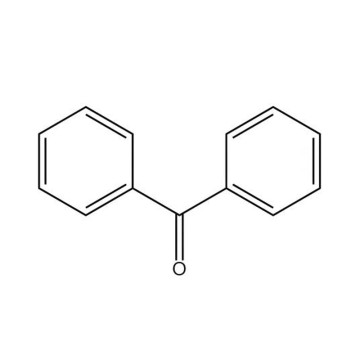
Benzophenone is a classic aromatic ketone photoinitiator widely used in UV-curable epoxy PCB coatings for clinical instrument enclosures.
Read More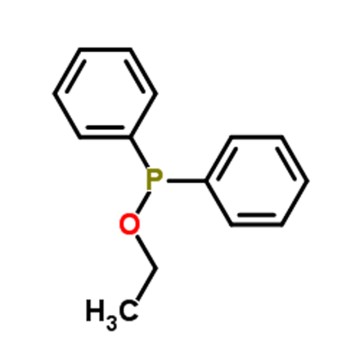
Diphenylethoxyphosphine (EDPP) is a widely applied photoinitiator intermediate for epoxy-based PCB protective coatings in clinical environments.
Read More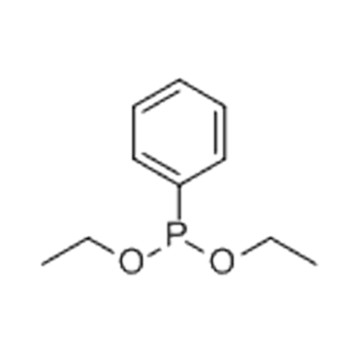
Diethyl phenyl phosphin is an important photoinitiator intermediate for UV-cured epoxy systems used in clinical trial equipment PCBs.
Read More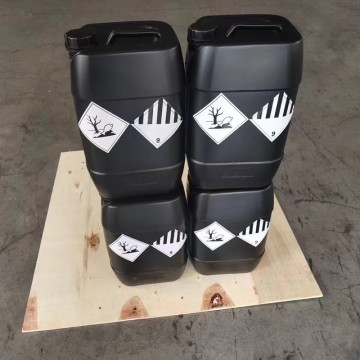
TPO-L is a highly efficient liquid photoinitiator ideal for UV-curable epoxy PCB conformal coatings in pharmaceutical batch formulation systems.
Read MoreExploring the commercial and technological forces shaping the adoption of epoxy PCB technology in clinical trial batch formulation.
The global push toward automated clinical trial management has driven unprecedented demand for reliable, high-precision electronic components. Epoxy PCBs are at the center of this transformation, enabling automated dispensing robots, smart balance systems, and real-time environmental sensors to function with pharmaceutical-grade reliability. Industry analysts project a CAGR of 8.4% for clinical automation electronics through 2030.
As ICH Q10, Q11, and Q12 guidelines become universally adopted, the electronic systems embedded in batch formulation equipment must meet increasingly stringent validation requirements. Epoxy PCBs with documented material traceability, UL94 V-0 flame retardancy, and IPC Class 3 manufacturing standards are becoming the default specification for GMP-compliant clinical manufacturing equipment worldwide.
Next-generation batch formulation systems increasingly incorporate machine learning algorithms for real-time process optimization. Epoxy PCBs serve as the hardware foundation for edge computing modules, IoT sensor arrays, and high-speed data acquisition boards that feed these AI systems. The convergence of advanced PCB technology with artificial intelligence is redefining what's possible in clinical manufacturing precision.
The pharmaceutical industry's commitment to sustainable manufacturing extends to the electronic components within clinical equipment. Halogen-free epoxy PCB laminates, lead-free soldering processes, and recyclable substrate materials are gaining traction. UV-curable epoxy coatings — enabled by advanced photoinitiator chemistry — offer significant reductions in VOC emissions compared to solvent-based alternatives, aligning with both environmental regulations and ESG commitments.
From laboratory-scale dispensing to full GMP manufacturing — how epoxy PCBs enable precision at every stage.
High-resolution load cell interfaces and multi-channel analog front-end circuits built on epoxy PCBs achieve weighing accuracy down to ±0.1 mg — essential for micro-dose clinical formulations in Phase I trials.
Cleanroom HVAC control boards, temperature/humidity data loggers, and differential pressure monitors rely on chemically resistant epoxy PCBs to maintain ISO Class 5–7 environments required for sterile clinical batch production.
Industrial Ethernet and wireless communication modules embedded in epoxy PCBs provide seamless bidirectional data exchange between formulation equipment and Laboratory Information Management Systems, ensuring complete electronic batch records.
The motion control and force feedback systems in pharmaceutical tablet presses and capsule filling machines depend on multi-layer epoxy PCBs capable of handling high-frequency PWM signals while maintaining signal integrity in electromagnetically noisy manufacturing environments.
Near-infrared (NIR) and Raman spectroscopy modules used for real-time API content uniformity monitoring in continuous manufacturing lines require low-noise, high-impedance analog PCBs constructed from high-Tg epoxy laminates to ensure measurement accuracy.
Critical safety systems — including pressure relief interlocks, oxygen monitoring alarms, and emergency shutdown circuits — utilize redundant epoxy PCB architectures with IEC 61508 SIL-2 compliance to protect personnel and product integrity in clinical manufacturing facilities.
Established in 2019, Suzhou Shunyida Chemical Technology Co., Ltd. is headquartered in Mudu Ancient Town, a picturesque water town in Suzhou. With over thirty employees, the company has grown significantly over the past seven years, selling nearly 10,000 tons of photoinitiator intermediates and select photoinitiators, generating sales of approximately 100 million yuan.
It ranks among the top in the industry for tax contributions and product quality. The company maintains a 100% customer satisfaction rate, zero product returns, and 100% after-sales follow-up rate — making it a trusted partner for clinical trial batch formulation chemical supply chains globally.
View More About Us
Six core pillars that make SHUNYI the preferred supplier for epoxy PCB-related chemical formulation materials in clinical trial manufacturing.
Our company boasts a team with over a decade of expertise in photoinitiator production, maintaining close business ties with industry leaders. Every batch meets pharmaceutical-grade purity standards.
The company maintains warehouses in Shandong and Jiangsu, ensuring timely delivery to clinical manufacturing sites across China and international markets.
The production base's continuous manufacturing capability can meet customers' diverse packaging specifications requirements — from laboratory-scale to full commercial batch quantities.
From the production of intermediates, when customers request specific substances in the product, we can promptly address them based on the raw materials and production processes at each stage.
The company has established a dedicated R&D department, equipped with advanced instruments including infrared spectroscopy, Agilent Shimadzu gas-liquid chromatography, and GC-MS.
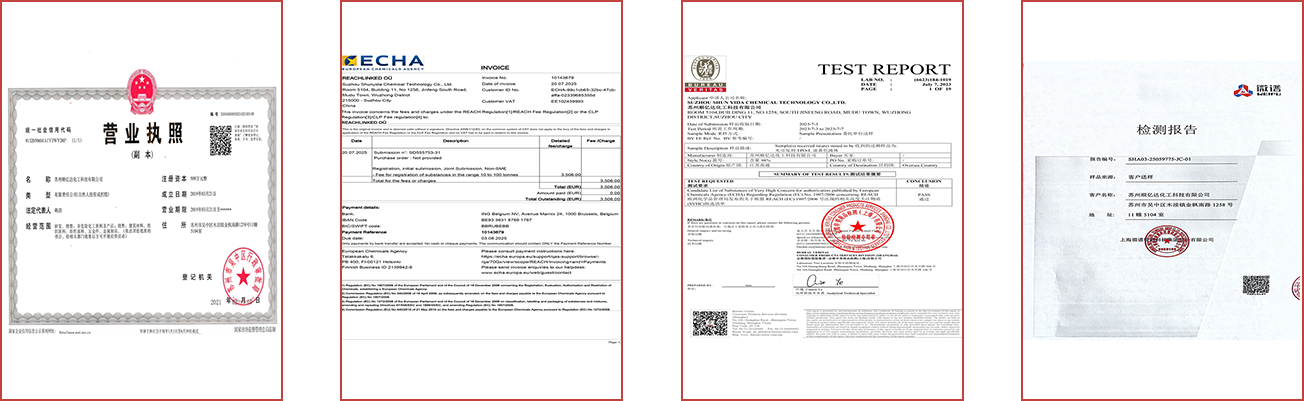
The company successfully obtained REACH certification for TPO-L 10–100-ton equipment in 2025, enabling compliant export to European clinical manufacturing customers.
The company has a professional R&D team and a professional team that has been engaged in the production of photoinitiators, epoxy resins, acryloyl chlorides and other fine chemical products for many years.

Stay updated with the latest developments in photoinitiator chemistry, epoxy PCB applications, and clinical trial manufacturing innovations.
Application prospects of photoinitiator TPO-L in 3D printing field — implications for epoxy PCB rapid prototyping in clinical device manufacturing.
Explore more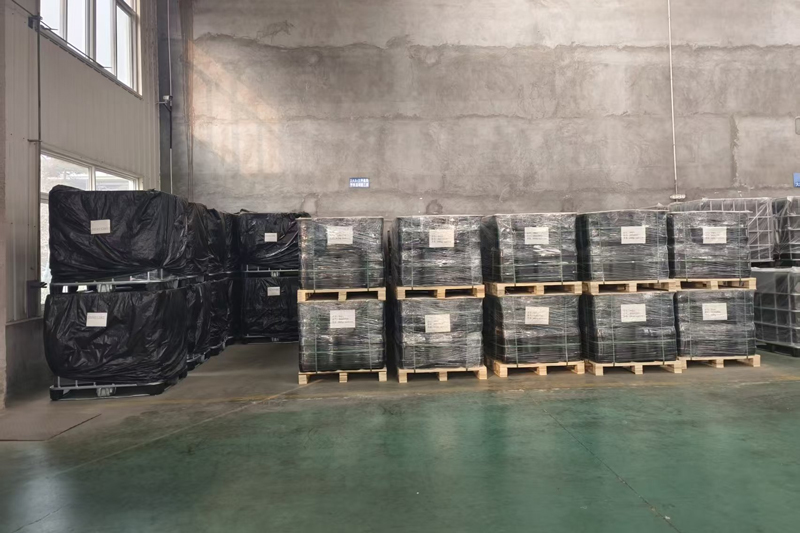
TPO-L photoinitiator supports innovation in the coatings industry — enabling next-generation UV-cured conformal coatings for clinical PCB assemblies.
Explore more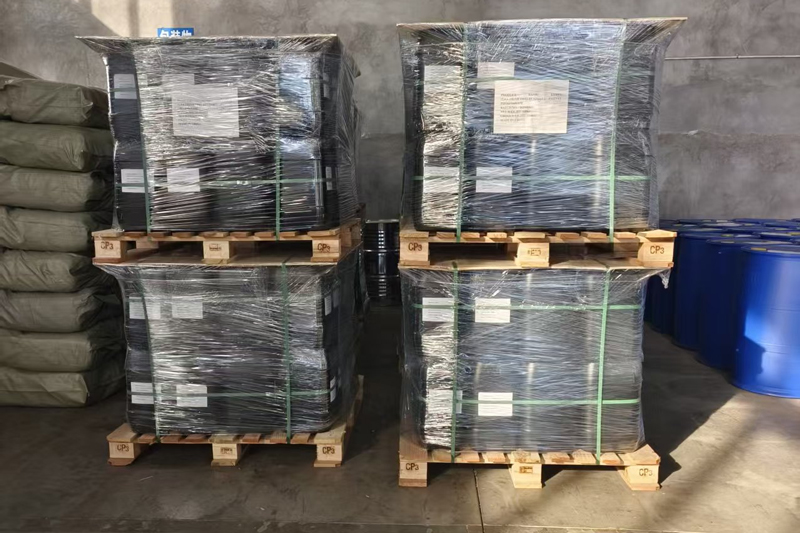
TPO-L photoinitiator successfully replaces TPO, promoting the upgrading of the UV curing industry for pharmaceutical-grade epoxy PCB applications.
Explore more
The promotion and application of TPO-L photoinitiator helps enterprises achieve green transformation in clinical batch formulation supply chains.
Explore more
TPO-L replaces TPO, ushering in a new era of photoinitiators — and what this means for epoxy PCB board material innovation in clinical manufacturing.
Explore more
Innovative application of acryloyl chloride and methacryloyl chloride in the field of adhesives — expanding the functional chemistry toolkit for clinical PCB encapsulation.
Explore moreOur full range of photoinitiators, pharmaceutical intermediates, and specialty chemicals supporting epoxy PCB-enabled clinical manufacturing systems.
Benzophenone is a classic aromatic ketone photoinitiator for UV-cured epoxy PCB coatings in clinical environments.
Read More
Diphenylethoxyphosphine (EDPP) is a widely applied intermediate for clinical-grade epoxy PCB conformal coating systems.
Read More
Diethyl phenyl phosphin is an important photoinitiator intermediate for epoxy-based PCB systems in clinical trial equipment.
Read More
TPO-L is a highly efficient liquid photoinitiator for UV-curable epoxy PCB conformal coatings in pharmaceutical batch formulation.
Read More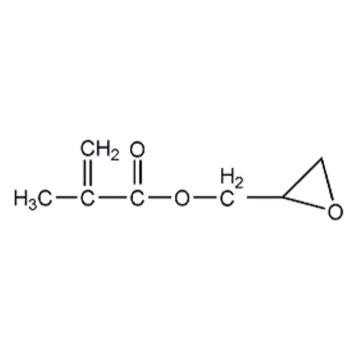
Glycidyl methacrylate (GMA), a reactive monomer critical for modifying epoxy PCB substrate properties in clinical manufacturing applications.
Read More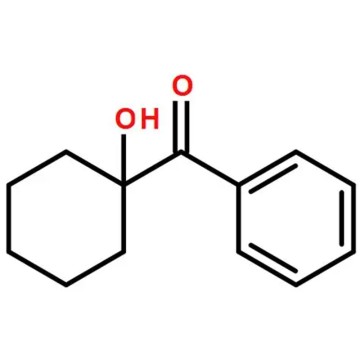
Photoinitiator 184, a widely used Norrish Type I initiator offering excellent yellowing resistance for long-life clinical instrument PCB coatings.
Read More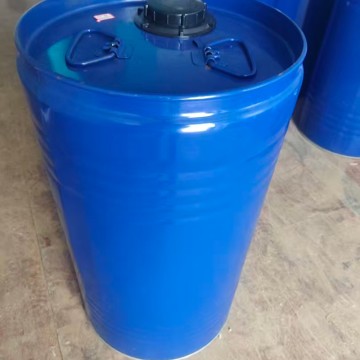
Methyl acryloyl chloride is a very important organic synthesis intermediate used in pharmaceutical-grade epoxy resin and PCB material production.
Read More
Acryloyl chloride is a very important organic synthesis intermediate for medical-grade and electronic-grade epoxy PCB chemical formulations.
Read MorePartner with SHUNYI for pharmaceutical-grade photoinitiators, epoxy intermediates, and specialty chemicals that meet the precision demands of clinical trial manufacturing. Zero returns. 100% satisfaction guaranteed.
Contact SHUNYI Today