







Diphenylphosphinic Acid Diethyl Ester: Leading China Suppliers & Factory for Photoinitiator Intermediates
Product Description
●
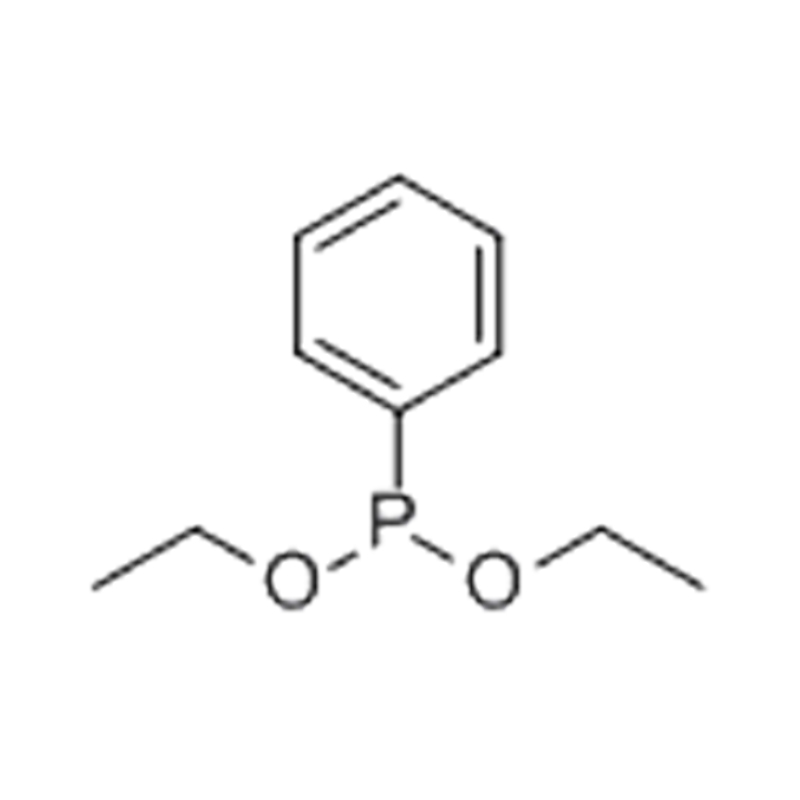
Chinese Name: Diethyl phenylphosphonite
●
English Name: Diethyl phenylphosphonite
●
Molecular Formula: C₁₀H₁₅O₂P
●
CAS Number: 683-12-1
●
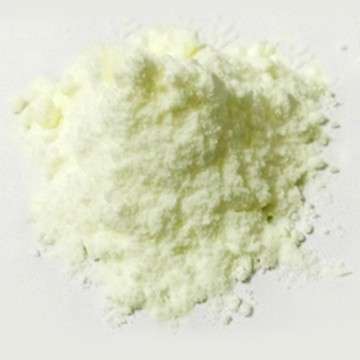
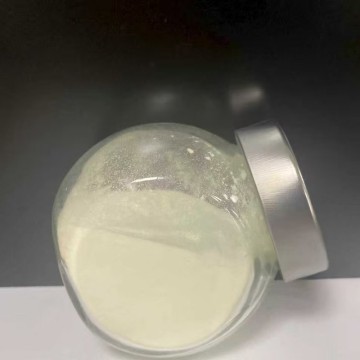
Physical Properties: Colorless or pale yellow liquid. Boiling point: ~107°C (1.6 kPa). Density: ~1.084 g/mL (25°C). Slightly soluble in water; readily soluble in ethanol and ether.
Key Chemical Properties: The P-H bond is highly reactive, facilitating Pudovik reactions (addition to aldehydes/ketones), Michael addition (addition to alkenes), and oxidation reactions.
Main Application Fields:
- Organic Synthesis Intermediates: Synthesizing α-hydroxyphosphonates and biological ligands.
- Polymer Auxiliary Intermediates: Raw materials for flame retardants or plasticizers.
- Ligands or Catalyst Precursors: Preparation of phosphine ligands in metal-organic catalysis.
Storage and Security Notice
Storage Conditions: Store in a sealed container, protected from light and nitrogen, in a cool and dry place. Prone to oxidation and deterioration upon exposure to air (oxygen) and moisture.
Safety Information: May be irritating to the skin, eyes, and respiratory tract. Wear appropriate protective equipment and handle in a well-ventilated area.
The core value of diethyl phenyl phosphin is its reactive P-H bond, which makes it a versatile organic phosphorus synthetic building block, playing a role in the construction of complex molecules in fields such as medicine and materials.
Frequently Asked Questions
Q1: What is the CAS number for Diethyl phenylphosphonite?
A: The CAS number for Diethyl phenylphosphonite is 683-12-1.
Q2: What are the primary applications of this compound?
A: It is mainly used as an organic synthesis intermediate for α-hydroxyphosphonates, a polymer auxiliary for flame retardants, and a ligand or catalyst precursor in metal-organic catalysis.
Q3: How should Diethyl phenylphosphonite be stored to prevent deterioration?
A: It should be stored in a sealed container under nitrogen, protected from light, in a cool and dry environment to avoid oxidation caused by air and moisture.
Q4: What are the physical properties of Diethyl phenylphosphonite?
A: It is a colorless or pale yellow liquid with a boiling point of approximately 107°C (at 1.6 kPa) and a density of about 1.084 g/mL.
Q5: Is Diethyl phenylphosphonite soluble in water?
A: It is only slightly soluble in water but readily dissolves in organic solvents like ethanol and ether.
Q6: What safety precautions should be taken when handling it?
A: Due to its potential to irritate the skin, eyes, and respiratory tract, users should wear proper protective equipment and ensure work is done in a well-ventilated area.