Diphenyl (2,4,6-Trimethylbenzoyl) Phosphine Oxide TPO-L - High Efficiency UV Photoinitiator from China Suppliers & Factory
Main Application Fields
Wood Coatings
Applications: High-end furniture, wood flooring, cabinets, etc.
Value Proposition: Wood substrates are temperature-sensitive and often feature complex three-dimensional structures. UV curing eliminates the need for heating, and combined with TPOL's high curing efficiency, it enables rapid production. Its deep curing capability ensures complete film formation, providing wood with high hardness, excellent abrasion resistance, and a rich texture.
Plastic Coatings
Applications: Automotive interior parts, consumer electronics (e.g., smartphone cases, laptop covers), home appliance panels, etc.
Value Proposition: Many plastics (e.g., ABS, PC) are heat-sensitive. TPOL-based UV coatings cure instantly at room temperature, preventing substrate deformation. Their low-yellowing characteristic is crucial for maintaining the purity of white coatings and the clarity of transparent coatings, making them ideal for high-end electronic products.
Paper Varnishes
Applications: Premium packaging boxes, book covers, labels, credit cards, etc.
Value Proposition: The printing industry prioritizes extreme production efficiency. TPOL’s ultra-fast curing speed allows printed materials to dry instantly upon exposure to UV light, enabling immediate progression to the next processing step and significantly boosting productivity. The cured coating exhibits high gloss, scratch resistance, and durability against friction.
Metal Coatings
Applications: Coil coatings, automotive wheels, metal signage, etc.
Value Proposition: In continuous, high-speed production processes like coil coating, TPOL’s high reactivity ensures complete curing within extremely short exposure times. Its excellent adhesion and leveling properties provide long-lasting protection and high decorative appeal.
The Core Advantages of TPOL in Coatings
1. Extremely Fast Curing Speed
TPOL exhibits exceptionally high quantum efficiency in generating free radicals, enabling rapid polymerization of monomers/oligomers. In industrial assembly line production, this means production line speed can be significantly increased, directly leading to economic benefits.
2. Excellent Deep-Layer Curing Capability
This is a key advantage of TPOL over many traditional photoinitiators (e.g., 1173). Its high absorption of long-wave UV (UVA) allows UV light to penetrate thicker coatings or coatings containing partially light-blocking pigments, ensuring complete curing even at the bottom layer. This results in superior adhesion, chemical resistance, and mechanical properties, avoiding the issue of "surface dryness with underlying tackiness."
3. Low Yellowing and High Transparency
The photodegradation products of TPOL are lightly colored, minimizing coating yellowing. This is particularly beneficial for white coatings (maintaining long-term whiteness), clear coatings (preserving the original color and texture of the substrate without distortion), and light-colored coatings (ensuring color purity). This aspect is critical for the appearance quality of high-end furniture, electronics, and packaging.
4. Low Odor and Low Migratability
Compared to some ketone-based photoinitiators, TPOL produces fewer volatile byproducts after photodegradation, resulting in reduced odor. Additionally, its reaction residues are less likely to migrate out of the cured coating, making it a significant advantage for applications with high hygiene and safety requirements, such as food packaging and toys.
5. Good Compatibility with Pigment Systems
Although TPOL is primarily used in clear and light-colored coatings, it can also function effectively in certain pigmented systems. Particularly when its absorption spectrum does not overlap with that of the pigments, it still provides sufficient curing efficiency.
Challenges and Considerations
1. Higher Cost
The price of TPOL is significantly higher than traditional photoinitiators such as 1173 and 184, which limits its application in cost-sensitive fields.
2. Thermal Stability and Storage
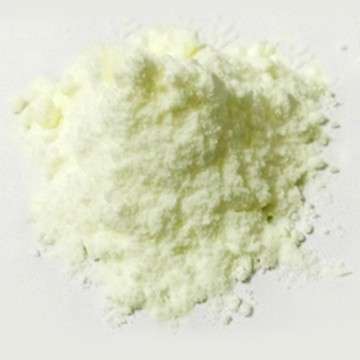
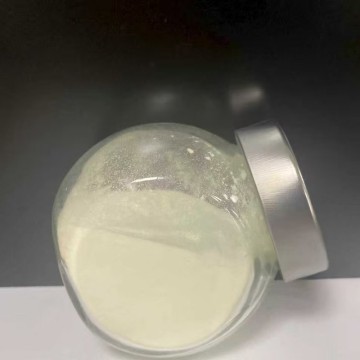
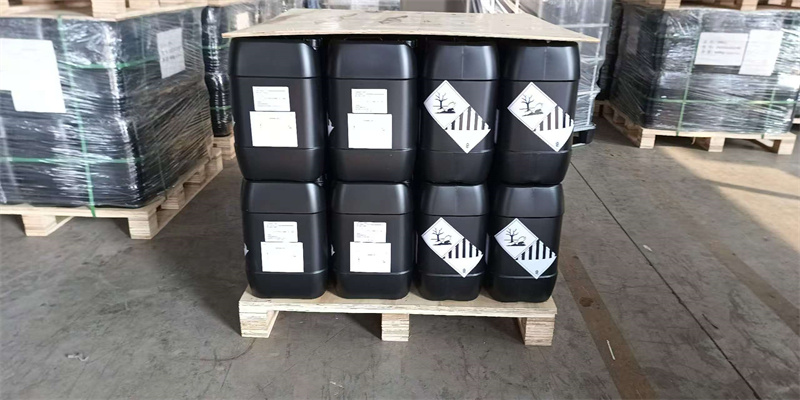
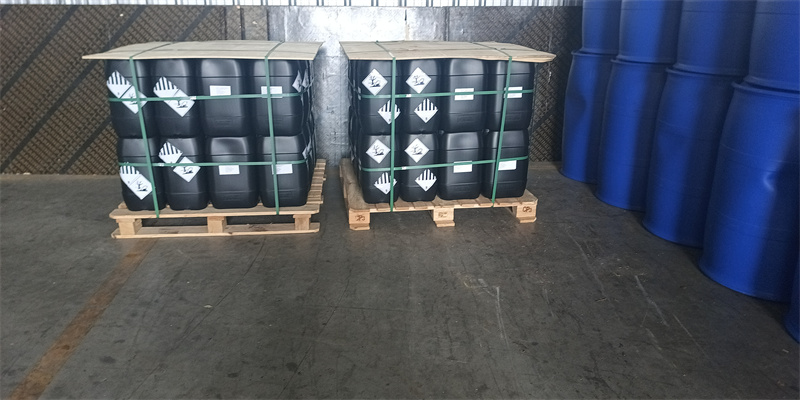
TPOL is a solid and is relatively sensitive to heat, requiring storage in cool, dark conditions. During coating formulation, temperature control during the production process is essential.
3. Compatibility with Light Sources
Although TPOL works well with commonly used medium-pressure mercury lamps and 395nm LED lamps, achieving optimal efficiency with specific wavelength LED light sources requires precise matching with its absorption peak.
4. Compatibility with Coating Systems
As a solid, its dissolution in certain liquid systems may require specific processes and time.
Summary in the Coatings Industry:
The photoinitiator TPOL is regarded as a "high-performance solution." It primarily serves the high-end market, which has stringent requirements for curing speed, coating performance (particularly weather resistance and adhesion), and appearance (low yellowing, high gloss). When traditional photoinitiators fail to meet production efficiency or product quality requirements, TPOL becomes a trump card for coatings formulators. With increasing environmental and energy-saving demands (driving the development of LED UV curing technology), along with the market's growing pursuit of superior product appearance and durability, TPOL's position in the high-end industrial coatings sector is expected to become increasingly solid.