
inquiry
Leave Your Message

Diethyl Phenyl Phosphinic Acid Ester - Leading Supplier & Factory in China for Photoinitiator Intermediates

Diethyl phenyl phosphine is a vital organic phosphine synthesis intermediate widely utilized in various chemical applications. This colorless or pale yellow liquid features a reactive P-H bond, allowing it to engage in numerous chemical reactions. As a preferred choice among China suppliers, it plays a crucial role in the preparation of phosphorus-containing functional molecules. Our factory ensures high-quality production to meet the increasing demand in the pharmaceutical and chemical industries. Choose us for reliable sourcing of diethyl phenyl phosphine and enhance your production processes.

    Product Description
    Basic Information
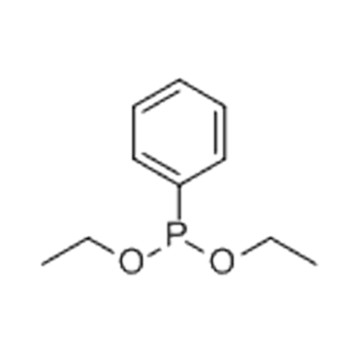
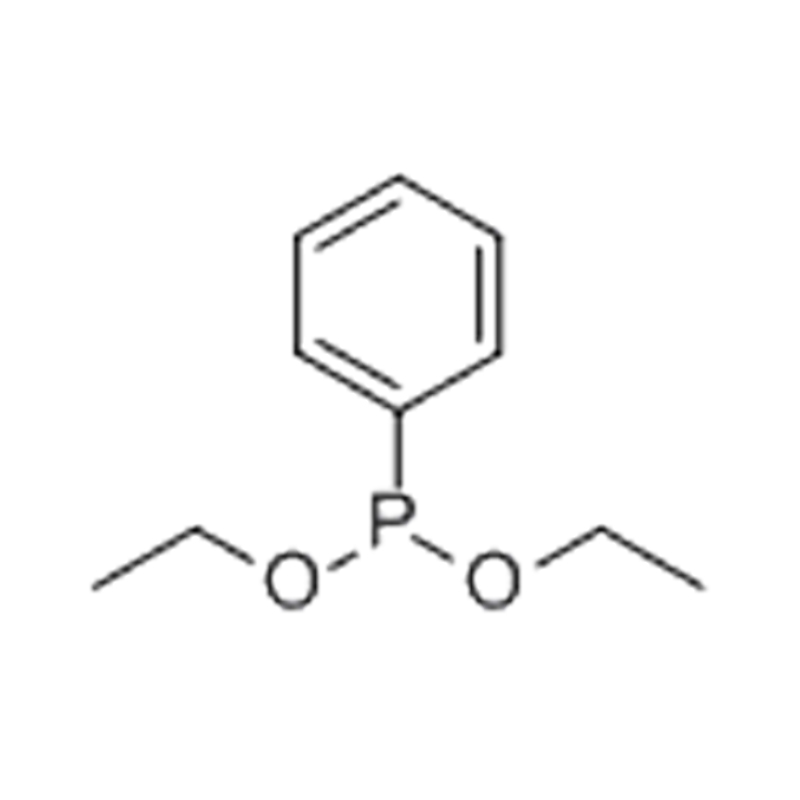
    English Name: Diethyl phenylphosphonite
    Chinese Name: Diethyl phenylphosphonite
    Molecular Formula: C₁₀H₁₅O₂P
    CAS Number: 683-12-1
    Physical Properties

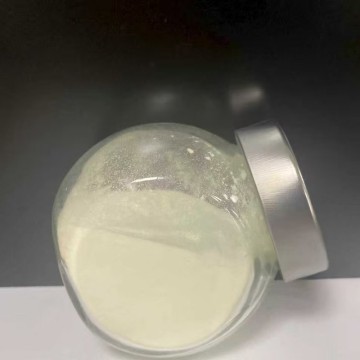
    Appearance: Colorless or pale yellow liquid.

    Boiling Point: Approximately 107°C (1.6 kPa).

    Density: About 1.084 g/mL (at 25°C).

    Solubility: Slightly soluble in water; readily soluble in organic solvents such as ethanol and ether.

    Key Chemical Properties

    The P-H bond in the molecule is highly reactive, capable of undergoing:

    • Pudovik reactions (addition to aldehydes/ketones)
    • Michael addition (addition to alkenes)
    • Oxidation reactions

    Main Application Fields

    1Organic Synthesis Intermediates:
    Used for synthesizing α-hydroxyphosphonates, phosphonates, etc., which may possess biological activity or serve as ligands.

    2Polymer Auxiliary Intermediates:
    Can be used as raw materials for synthesizing certain flame retardants or plasticizers.

    3Ligands or Catalyst Precursors:
    Used for preparing phosphine ligands in metal-organic catalysis.

    Storage and Security Notice
    Storage Conditions

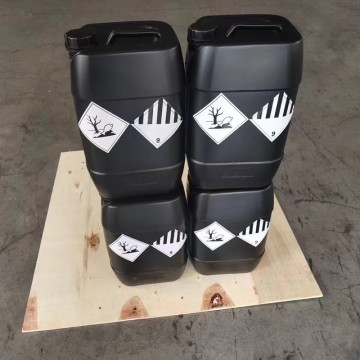
    Store in a sealed container, protected from light and nitrogen, in a cool and dry place. Due to its sensitivity to air (oxygen) and moisture, it is prone to oxidation and deterioration upon exposure.

    Safety Information

    This compound may be irritating to the skin, eyes and respiratory tract. Wear appropriate protective equipment and handle in a well-ventilated area.

    Core Value & Synthetic Significance

    The core value of diethyl phenyl phosphin is its reactive P-H bond, which makes it a versatile organic phosphorus synthetic building block, playing a role in the construction of complex molecules in fields such as medicine and materials.

    Frequently Asked Questions (FAQ)
    Q1: What is the CAS number and molecular formula of Diethyl phenylphosphonite?
    The CAS number is 683-12-1, and its molecular formula is C₁₀H₁₅O₂P.
    Q2: What are the primary physical properties of Diethyl phenylphosphonite?
    It is typically a colorless or pale yellow liquid with a boiling point around 107°C (1.6 kPa) and a density of approximately 1.084 g/mL at 25°C. It is slightly soluble in water and readily dissolves in organic solvents like ethanol and ether.
    Q3: What makes Diethyl phenylphosphonite chemically reactive?
    Its reactivity stems from the active P-H bond in the molecule, allowing it to undergo Pudovik additions with aldehydes and ketones, Michael additions with alkenes, and oxidation reactions.
    Q4: What are the main industrial and laboratory applications?
    It is widely used as an intermediate in organic synthesis (for α-hydroxyphosphonates and phosphonates), as raw materials for polymer flame retardants and plasticizers, and as a precursor for phosphine ligands in metal-organic catalysis.
    Q5: How should this compound be stored to prevent deterioration?
    It must be kept in a sealed container protected from light and maintained under a nitrogen atmosphere in a cool, dry place because exposure to moisture and atmospheric oxygen causes oxidation.
    Q6: What safety precautions should be observed when handling Diethyl phenylphosphonite?
    Because it may irritate the eyes, skin, and respiratory system, operators should wear suitable personal protective equipment and handle the substance in a well-ventilated space or fume hood.

    Leave Your Message