







Diethyl Phenyl Phosphinic Acid Ester: Leading Supplier and Factory in China for Photoinitiator Intermediates
Product Description
ⓘ
Basic Information
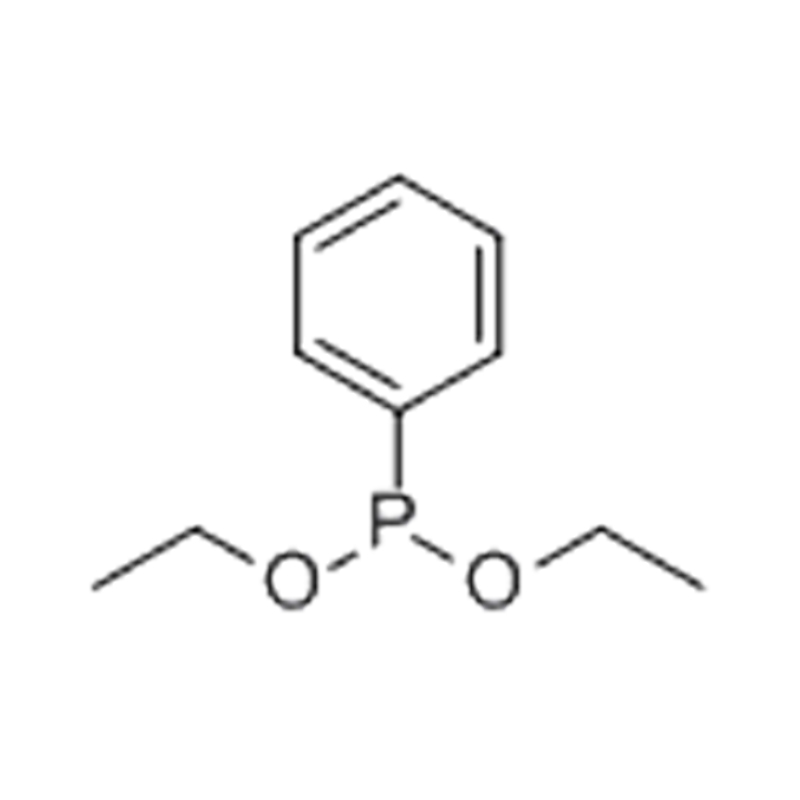
Chinese Name: Diethyl phenylphosphonite
English Name: Diethyl phenylphosphonite
Molecular Formula: C₁₀H₁₅O₂P
CAS Number: 683-12-1
⚖
Physical Properties
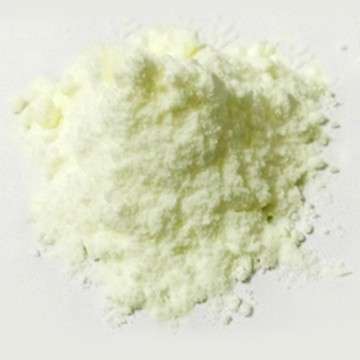
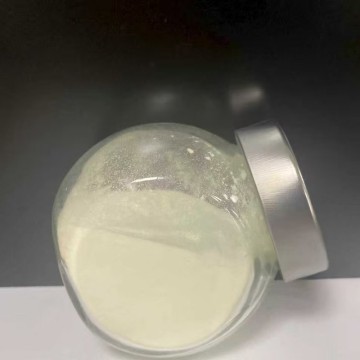
It is typically a colorless or pale yellow liquid with a boiling point of approximately 107°C (1.6 kPa) and a density of about 1.084 g/mL (at 25°C). It is slightly soluble in water and readily soluble in organic solvents such as ethanol and ether.
⚗
Key Chemical Properties
The P-H bond in the molecule is highly reactive, capable of undergoing Pudovik reactions (addition to aldehydes/ketones), Michael addition (addition to alkenes), and oxidation reactions.
Main Application Fields
1. Organic Synthesis Intermediates: Used for synthesizing α-hydroxyphosphonates, phosphonates, etc., which may possess biological activity or serve as ligands.
2. Polymer Auxiliary Intermediates: Can be used as raw materials for synthesizing certain flame retardants or plasticizers.
3. Ligands or Catalyst Precursors: Used for preparing phosphine ligands in metal-organic catalysis.
Storage and Security Notice
📦
Storage Conditions
Store in a sealed container, protected from light and nitrogen, in a cool and dry place. Due to its sensitivity to air (oxygen) and moisture, it is prone to oxidation and deterioration upon exposure.
⚠️
Safety Information
This compound may be irritating to the skin, eyes and respiratory tract. Wear appropriate protective equipment and handle in a well-ventilated area.
Core Value
The core value of diethyl phenyl phosphin is its reactive P-H bond, which makes it a versatile organic phosphorus synthetic building block, playing a role in the construction of complex molecules in fields such as medicine and materials.
Frequently Asked Questions
Q1: What are the primary uses of Diethyl phenylphosphonite?
It is mainly used as an intermediate in organic synthesis for biological ligands, a raw material for polymer flame retardants and plasticizers, and a precursor for catalysts in metal-organic chemistry.
Q2: What is the CAS number and molecular formula for this compound?
The CAS number is 683-12-1 and the molecular formula is C₁₀H₁₅O₂P.
Q3: How should Diethyl phenylphosphonite be stored to ensure stability?
It must be stored in a sealed container under a nitrogen atmosphere, protected from light, and kept in a cool, dry environment to prevent oxidation caused by air and moisture.
Q4: What makes Diethyl phenylphosphonite a versatile synthetic building block?
Its versatility stems from the highly reactive P-H bond, which allows it to undergo essential chemical reactions like Pudovik additions, Michael additions, and various oxidation processes.
Q5: What are the physical characteristics of this chemical?
It is a colorless or pale yellow liquid with a density of 1.084 g/mL and a boiling point of approximately 107°C at 1.6 kPa. It is soluble in ethanol and ether but only slightly soluble in water.
Q6: What safety precautions are required during handling?
Since it can irritate the eyes, skin, and respiratory tract, users should always wear personal protective equipment (PPE) and work in a well-ventilated space.