
Leave Your Message
Our flagship chemical intermediates and photoinitiators, purpose-built for pharmaceutical-grade oncology manufacturing processes.
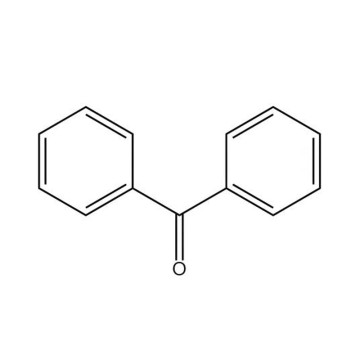
Benzophenone is a classic aromatic ketone photoinitiator widely used in pharmaceutical intermediate synthesis and oncology drug research.
+ Read More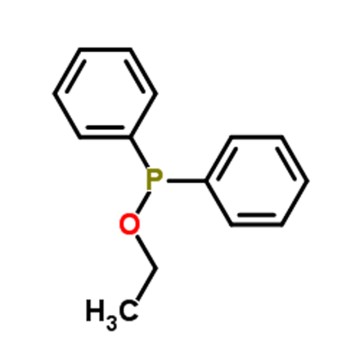
Diphenylethoxyphosphine (EDPP) is a widely applied phosphine compound serving as a key intermediate in cancer drug manufacturing.
+ Read More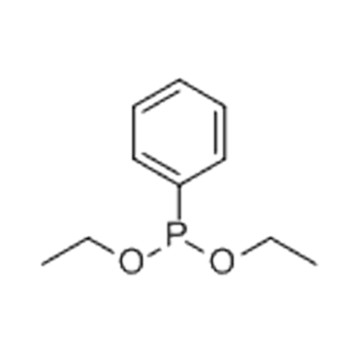
An important photoinitiator intermediate supporting precision oncology compound synthesis and pharmaceutical R&D.
+ Read More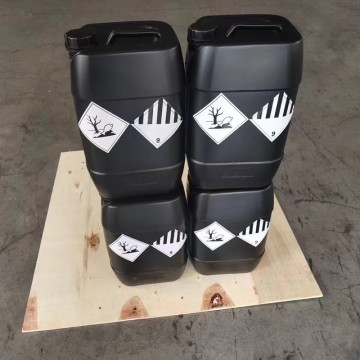
TPO-L is a highly efficient liquid photoinitiator with exceptional performance in oncology-grade UV-curing and drug delivery systems.
+ Read MoreIn the rapidly evolving landscape of pharmaceutical manufacturing, Copper PCB (Printed Circuit Board) Sheets have emerged as a critical enabling technology for oncology research and cancer drug synthesis. Traditionally associated with electronics, copper PCB substrates are now being leveraged in advanced pharmaceutical reactor systems, precision dosing equipment, and automated drug synthesis platforms that demand unparalleled electrical conductivity, thermal management, and chemical resistance.
The global oncology drug market is projected to exceed $500 billion USD by 2030, driven by surging demand for targeted therapies, immunotherapies, and next-generation chemotherapy agents. This explosive growth has placed unprecedented requirements on the industrial infrastructure underpinning drug synthesis — and copper PCB sheets sit at the heart of this transformation.
🔬 Key Insight: Copper PCB sheets provide the precision thermal and electrical control required for continuous-flow chemistry reactors used in synthesizing oncology APIs (Active Pharmaceutical Ingredients) such as kinase inhibitors, platinum-based compounds, and monoclonal antibody conjugates.
The intersection of advanced materials science and pharmaceutical manufacturing is reshaping how cancer drugs are developed and produced at industrial scale.
With over 19 million new cancer cases diagnosed globally each year, pharmaceutical manufacturers are scaling up synthesis capacity at an unprecedented rate, driving demand for precision copper-based reactor components and PCB-integrated control systems.
Continuous flow synthesis — which relies heavily on copper PCB-integrated microreactors for thermal control and electrochemical precision — is replacing traditional batch synthesis in oncology API production, delivering higher purity, better yields, and reduced waste.
AI-powered robotic synthesis platforms use copper PCB sheets as the backbone of their electronic control systems, enabling real-time monitoring and adaptive control of complex multi-step cancer drug synthesis reactions with sub-millisecond precision.
Regulatory bodies including the FDA and EMA are mandating stricter process analytical technology (PAT) requirements for oncology drug manufacturing. Copper PCB-based sensor arrays are increasingly used to meet real-time monitoring compliance standards.
Copper PCB sheets enable energy-efficient electrochemical synthesis routes for cancer drugs, reducing solvent usage and hazardous waste generation — aligning with the pharmaceutical industry's growing commitment to sustainable green chemistry practices.
The rise of antibody-drug conjugates (ADCs) and personalized oncology therapies demands ultra-precise synthesis environments. Copper PCB-integrated microfluidic systems deliver the nanoscale control required for conjugation chemistry and targeted drug assembly.
Copper PCB sheets are no longer confined to electronics — they are now mission-critical components across the full oncology pharmaceutical value chain.
Cisplatin, carboplatin, and oxaliplatin — cornerstone chemotherapy drugs — require precise electrochemical conditions during synthesis. Copper PCB sheets provide the controlled electrode surfaces and thermal uniformity essential for achieving pharmaceutical-grade purity (>99.5%) in these platinum complex compounds.
Photoinitiators such as Benzophenone, TPO-L, and Photoinitiator 184 are integral to UV-cured drug coating processes for oncology tablets and capsules. Copper PCB-based UV lamp control circuits ensure precise light intensity and wavelength delivery, directly impacting coating uniformity and drug release profiles.
Targeted kinase inhibitors (e.g., imatinib, erlotinib) are synthesized via complex multi-step reactions requiring precise temperature and flow control. Copper PCB sheets embedded in microfluidic reactor control boards enable ±0.1°C thermal stability, critical for reproducible API synthesis at GMP scale.
Oncology treatment facilities rely on sophisticated radiation detection and dosimetry equipment. High-density copper PCB sheets form the electronic backbone of these safety-critical systems, ensuring accurate radiation measurement for both patient treatment planning and laboratory safety compliance.
Hospital pharmacy compounding systems for oncology drugs (including hazardous cytotoxic agents) use copper PCB-based robotic controllers to ensure contamination-free, precisely dosed drug preparation — protecting both patients and healthcare workers from exposure risks.
Copper PCB sheets serve as the signal processing backbone in PAT sensor arrays monitoring oncology drug synthesis in real time. Parameters including pH, temperature, UV absorption, and particle size are continuously tracked via PCB-integrated sensor networks, ensuring batch-to-batch consistency and regulatory compliance.
Established in 2019, Suzhou Shunyida Chemical Technology Co., Ltd. is headquartered in Mudu Ancient Town, a picturesque water town in Suzhou. With over thirty employees, the company has grown significantly over the past seven years, selling nearly 10,000 tons of photoinitiator intermediates and select photoinitiators, generating sales of approximately 100 million yuan.
It ranks among the top in the industry for tax contributions and product quality. The company maintains a 100% customer satisfaction rate, zero product returns, and 100% after-sales follow-up rate — making SHUNYI the trusted partner for oncology pharmaceutical manufacturers worldwide.
View More
SHUNYI delivers unmatched value across quality, logistics, technology, and after-sales support for oncology pharmaceutical clients globally.
Our company boasts a team with over a decade of expertise in photoinitiator production, maintaining close business ties with industry leaders and delivering pharmaceutical-grade purity for oncology applications.
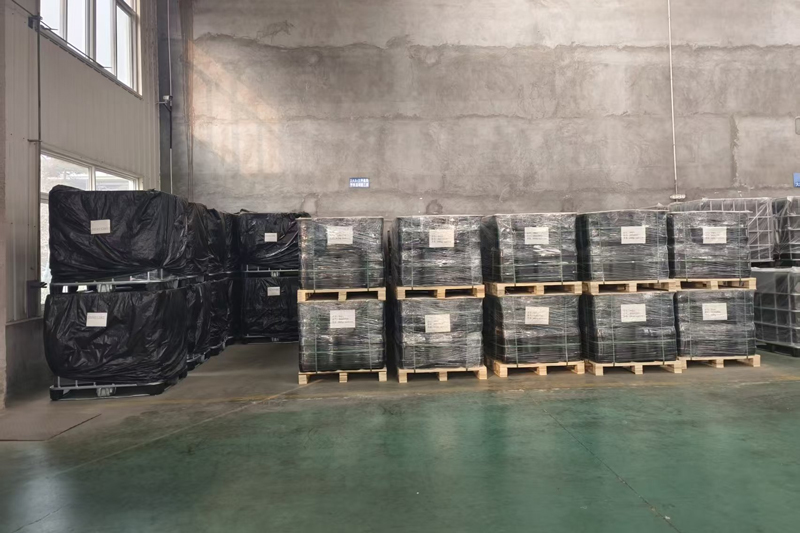
The company maintains warehouses in Shandong and Jiangsu, ensuring timely delivery of chemical intermediates to pharmaceutical manufacturers across China and internationally.
The production base's continuous manufacturing capability can meet customers' diverse packaging specifications requirements, from laboratory scale to industrial bulk supply.
From the production of intermediates, when customers request specific substances in the product, we can promptly address them based on the raw materials and production processes at each stage.
The company has established a dedicated R&D department, equipped with advanced instruments including infrared spectroscopy, Agilent Shimadzu gas-liquid chromatography, and GC-MS.
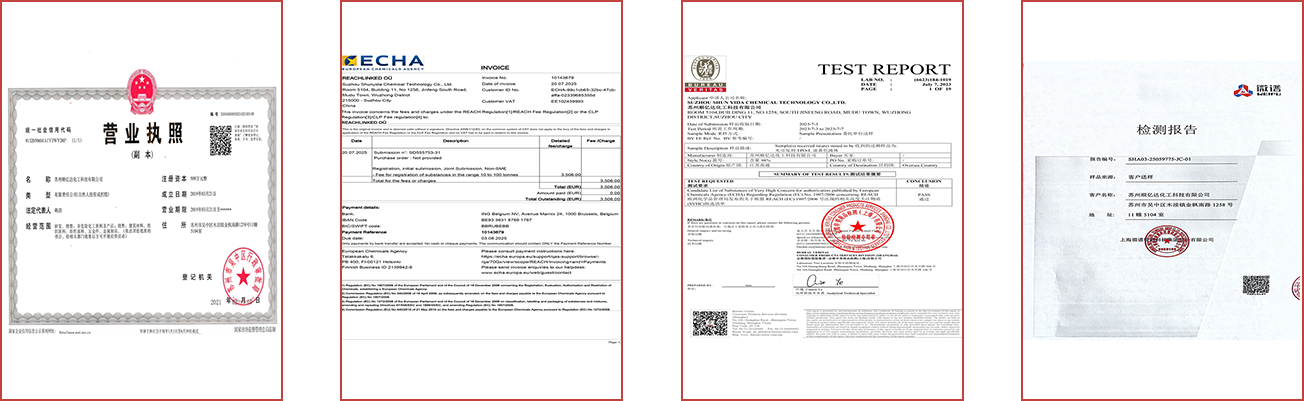
The company successfully obtained REACH certification for TPO-L 10–100-ton equipment in 2025, enabling compliant supply to European oncology and pharmaceutical manufacturers.
The company has a professional R&D team and a professional team that has been engaged in the production of photoinitiators, epoxy resins, acryloyl chlorides and other fine chemical products for many years.

Stay updated on the latest developments in photoinitiator technology, oncology drug synthesis, and chemical innovation from SHUNYI.
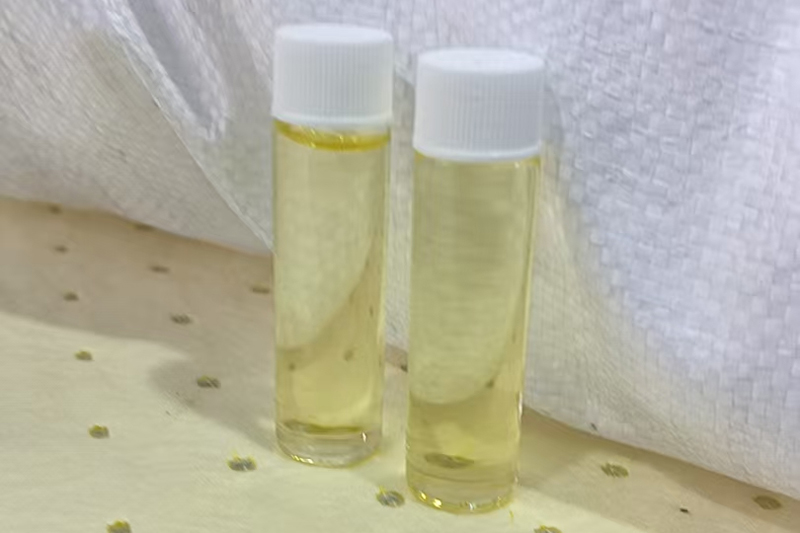
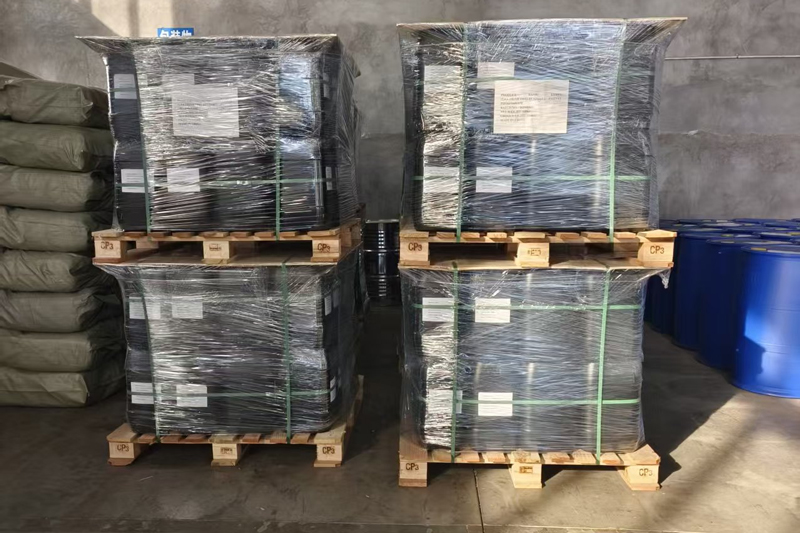



Explore our full lineup of high-purity chemical intermediates, photoinitiators, and pharmaceutical-grade reagents trusted by oncology manufacturers worldwide.
Benzophenone is a classic aromatic ketone photoinitiator for cancer drug synthesis processes.
+ Read MoreEDPP serves as a key intermediate in pharmaceutical and oncology drug manufacturing.
+ Read MoreAn important photoinitiator intermediate for precision oncology compound synthesis.
+ Read MoreHighly efficient liquid photoinitiator for oncology-grade UV-curing systems.
+ Read More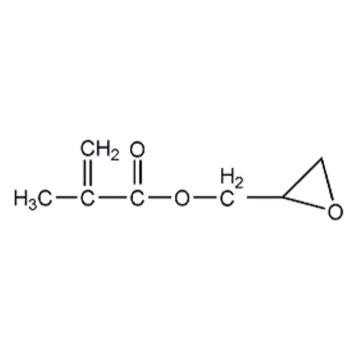
Glycidyl methacrylate (GMA), a reactive monomer critical in oncology drug delivery polymer systems.
+ Read More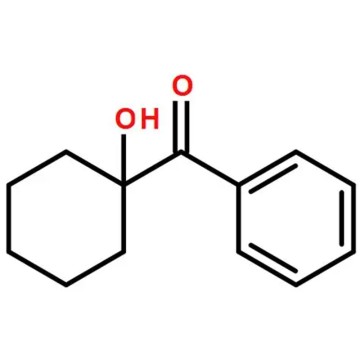
Photoinitiator 184, a widely used Norrish Type I initiator for pharmaceutical-grade UV coating applications.
+ Read More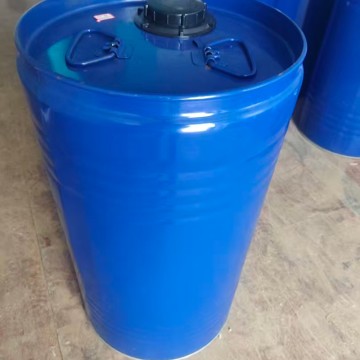
Methacryloyl chloride is a very important organic synthesis intermediate for oncology pharmaceutical manufacturing.
+ Read MoreAcryloyl chloride is a very important organic intermediate for medical-grade and cancer drug synthesis applications.
+ Read More