
Leave Your Message
High-performance copper clad laminates and photoinitiator intermediates engineered for pharmaceutical-grade manufacturing environments.
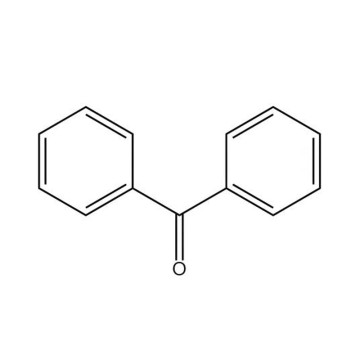
Benzophenone is a classic aromatic ketone photoinitiator widely used in PCB surface treatment for pharmaceutical-grade environments.
Read More →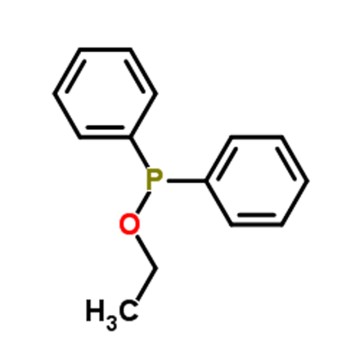
Diphenylethoxyphosphine (EDPP) is a widely applied intermediate for UV-curable resins in pharmaceutical PCB manufacturing.
Read More →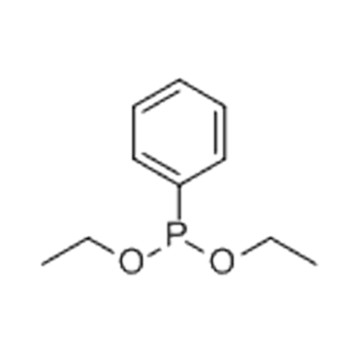
An important photoinitiator intermediate for high-purity PCB substrates used in sterile antibiotic production facilities.
Read More →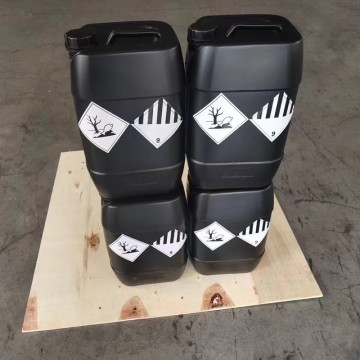
TPO-L is a highly efficient liquid photoinitiator ideal for UV-cured PCB laminates deployed in antibiotic manufacturing equipment.
Read More →Copper Clad Laminate (CCL) — commonly known as copper clad PCB sheet — is the foundational substrate material for printed circuit boards. It consists of a reinforcing material (such as glass fiber, paper, or composite fabric) impregnated with resin and bonded with copper foil on one or both sides under heat and pressure. The result is a rigid, electrically conductive platform that forms the backbone of virtually every modern electronic control system.
In the context of antibiotic and antimicrobial production, copper clad PCB sheets play a critical but often overlooked role. Modern pharmaceutical manufacturing facilities — particularly those producing antibiotics, antifungals, and broad-spectrum antimicrobials — rely on highly automated, precision-controlled production lines. Every reactor temperature controller, fermentation monitoring system, sterile filling machine, and quality-inspection sensor is built upon PCB technology. The reliability of these systems directly impacts drug purity, yield consistency, and regulatory compliance.
⚠ Copper's natural antimicrobial properties make CCL substrates an ideal choice for pharmaceutical-grade electronic enclosures — copper surfaces have been proven to eliminate over 99.9% of bacteria within two hours of contact.
Beyond structural support, the copper traces on CCL boards conduct signals and power with minimal resistance, enabling fast, accurate feedback loops in bioprocess control systems. In antibiotic fermentation, even millisecond delays in sensor response can affect batch quality — making high-performance copper clad PCB sheets indispensable.
The global copper clad laminate market was valued at approximately USD 12.4 billion in 2023 and is projected to surpass USD 19 billion by 2030, driven significantly by growth in medical electronics, industrial automation, and pharmaceutical manufacturing infrastructure. Within the pharmaceutical sector, the demand for high-reliability PCB substrates has grown at a compound annual growth rate (CAGR) exceeding 8% — faster than the general electronics market.
Antibiotic production, in particular, represents one of the most technically demanding environments for electronic components. Fermentation-based antibiotic synthesis (such as penicillin, cephalosporins, and macrolides) requires continuous, 24/7 monitoring of dissolved oxygen, pH, temperature, agitation speed, and nutrient feed rates. All of these parameters are managed by distributed control systems (DCS) and programmable logic controllers (PLCs) whose core components are built on copper clad PCB sheets.
The COVID-19 pandemic and subsequent global focus on antimicrobial resistance (AMR) have accelerated investment in antibiotic manufacturing capacity worldwide. Governments in the EU, US, India, and China have all launched initiatives to expand domestic antibiotic production — each driving demand for the electronic infrastructure that copper clad PCB sheets enable.
High-purity copper foil (99.9%+ Cu) ensures minimal signal loss and maximum power efficiency in pharmaceutical control electronics, critical for real-time bioprocess monitoring.
Copper's oligodynamic effect provides natural antimicrobial action, reducing cross-contamination risks in sterile pharmaceutical production environments — a key advantage over alternative substrate materials.
CCL substrates with high thermal conductivity dissipate heat efficiently from power electronics in bioreactor control panels, maintaining stable operating temperatures across continuous production cycles.
Engineered resin systems in pharmaceutical-grade CCL boards withstand exposure to cleaning agents, sterilization chemicals, and process vapors common in antibiotic manufacturing facilities.
Tight thickness tolerances and low coefficient of thermal expansion (CTE) ensure PCB reliability across temperature cycling in autoclave-adjacent installations and clean room environments.
CCL materials meeting IPC-4101, UL 94 V-0, and RoHS/REACH standards align with FDA 21 CFR Part 11 and EU GMP Annex 11 requirements for pharmaceutical electronic systems.
From fermentation control to final sterile filling, copper clad laminates underpin every stage of modern antibiotic manufacturing.
PCB-based controllers manage dissolved oxygen sensors, pH probes, temperature loops, and agitation drives in antibiotic fermentation tanks. High-reliability copper clad substrates prevent control failures that could compromise entire batch yields worth hundreds of thousands of dollars.
HPLC controllers, UV spectrophotometers, and mass spectrometry systems used for real-time antibiotic potency testing all rely on precision PCBs. CCL boards with low dielectric loss are essential for high-frequency signal integrity in these analytical devices.
Automated vial filling machines, blister packaging equipment, and lyophilization (freeze-drying) systems for injectable antibiotics use PCB-controlled servo drives and vision inspection systems. CCL substrates rated for clean room environments (ISO Class 5–7) are specified for these applications.
Particle counters, viable air samplers, and HVAC control panels in pharmaceutical clean rooms use CCL-based electronics. Copper's antimicrobial surface properties provide an additional layer of contamination control in these ultra-sensitive environments.
Centrifuge controllers, chromatography system electronics, and membrane filtration control boards for antibiotic extraction and purification depend on thermally stable CCL substrates that maintain performance under continuous high-load operation.
Next-generation antibiotic facilities deploy wireless sensor networks and edge computing nodes throughout production areas. Miniaturized CCL-based PCBs enable these IoT devices to operate reliably in chemically challenging pharmaceutical environments while transmitting real-time data to MES and ERP systems.
The intersection of pharmaceutical manufacturing and advanced PCB materials is evolving rapidly, driven by regulatory pressure, sustainability goals, and Industry 4.0 adoption.
Growing RoHS and REACH regulatory pressure is accelerating adoption of halogen-free copper clad laminates in pharmaceutical electronics. These materials reduce toxic byproduct risks during PCB manufacturing while meeting EU GMP environmental standards for pharmaceutical facilities.
As AI-powered process analytical technology (PAT) becomes standard in antibiotic manufacturing, demand grows for high-frequency, low-Dk CCL substrates that support 5G-connected sensors and edge AI processors operating at GHz frequencies within production environments.
Research into copper-infused polymer coatings for PCB enclosures is gaining traction in pharmaceutical applications. These coatings leverage copper's proven antimicrobial efficacy to create self-sanitizing electronic enclosures suitable for direct installation in sterile production areas.
The miniaturization of inline analytical devices and wearable contamination monitoring systems in pharmaceutical facilities is driving demand for flexible copper clad laminates that enable compact, conformal PCB designs without sacrificing electrical performance.
Pharmaceutical manufacturers are deploying digital twin models of entire antibiotic production lines. The PCB-based sensor and control networks that feed real-time data into these digital twins require ultra-reliable CCL substrates with guaranteed long-term performance stability.
Post-pandemic reshoring of antibiotic manufacturing in North America and Europe is creating new demand for locally sourced, high-quality copper clad PCB materials. This trend is expected to sustain double-digit growth in pharmaceutical-grade CCL demand through 2030.
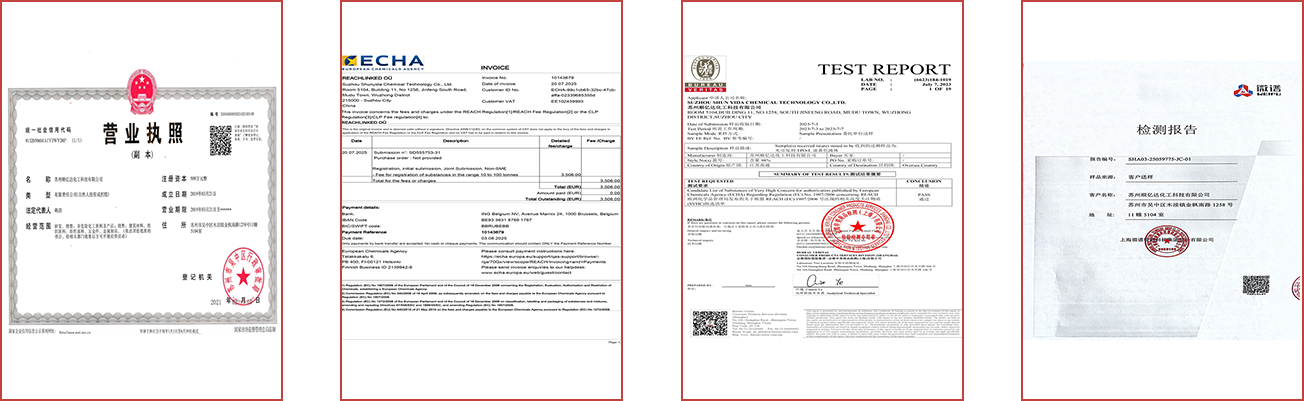
Established in 2019, Suzhou Shunyida Chemical Technology Co., Ltd. is headquartered in Mudu Ancient Town, a picturesque water town in Suzhou. With over thirty employees, the company has grown significantly over the past seven years, selling nearly 10,000 tons of photoinitiator intermediates and select photoinitiators, generating sales of approximately 100 million yuan.
It ranks among the top in the industry for tax contributions and product quality. The company maintains a 100% customer satisfaction rate, zero product returns, and 100% after-sales follow-up rate. Our photoinitiator intermediates and pharmaceutical-grade chemical products serve manufacturers across UV coatings, PCB laminates, antibiotic production, and antimicrobial material sectors worldwide.
View More About UsSix pillars of excellence that make SHUNYI the preferred supplier for pharmaceutical chemical intermediates and PCB-related materials.
Our company boasts a team with over a decade of expertise in photoinitiator production, maintaining close business ties with industry leaders. Every batch undergoes rigorous QC testing before shipment.
The company maintains warehouses in Shandong and Jiangsu, ensuring timely delivery to domestic and international customers with optimized logistics networks.
The production base's continuous manufacturing capability can meet customers' diverse packaging specifications requirements — from laboratory quantities to full industrial-scale orders.
From the production of intermediates, when customers request specific substances in the product, we can promptly address them based on the raw materials and production processes at each stage.
The company has established a dedicated R&D department, equipped with advanced instruments including infrared spectroscopy, Agilent Shimadzu gas-liquid chromatography, and GC-MS.
The company successfully obtained REACH certification for TPO-L 10–100-ton equipment in 2025, demonstrating our commitment to international regulatory compliance for global pharmaceutical supply chains.
The company has a professional R&D team and a professional team that has been engaged in the production of photoinitiators, epoxy resins, acryloyl chlorides and other fine chemical products for many years.

Benzophenone is a classic aromatic ketone photoinitiator...
+ Read MoreDiphenylethoxyphosphine (EDPP) is a widely applied intermediate...
+ Read MoreDiethyl phenyl phosphin is an important photoinitiator intermediate...
+ Read MoreTPO-L is a highly efficient liquid photoinitiator...
+ Read More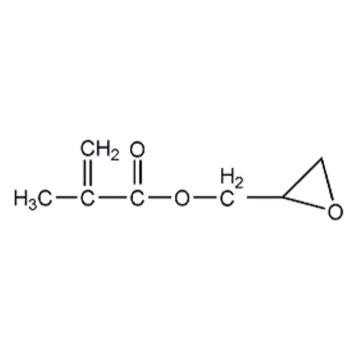
Glycidyl methacrylate (GMA), a reactive monomer...
+ Read More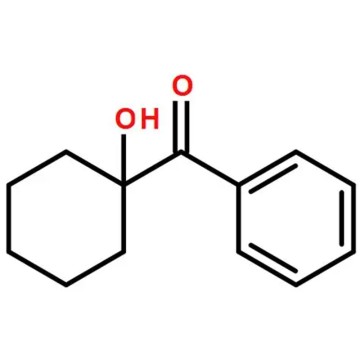
Photoinitiator 184, a widely used Norrish Type I initiator...
+ Read MoreBenzophenone is a classic aromatic ketone photoinitiator...
+ Read MoreDiphenylethoxyphosphine (EDPP) is a widely applied intermediate...
+ Read MoreDiethyl phenyl phosphin is an important photoinitiator intermediate...
+ Read MoreTPO-L is a highly efficient liquid photoinitiator...
+ Read MoreGlycidyl methacrylate (GMA), a reactive monomer...
+ Read MorePhotoinitiator 184, a widely used Norrish Type I initiator...
+ Read More
Methyl acryloyl chloride is a very important pharmaceutical intermediate...
+ Read MoreAcryloyl chloride is a very important organic synthesis intermediate...
+ Read More
Application prospects of photoinitiator TPO-L in 3D printing field — enabling next-gen antimicrobial device fabrication.
Explore more →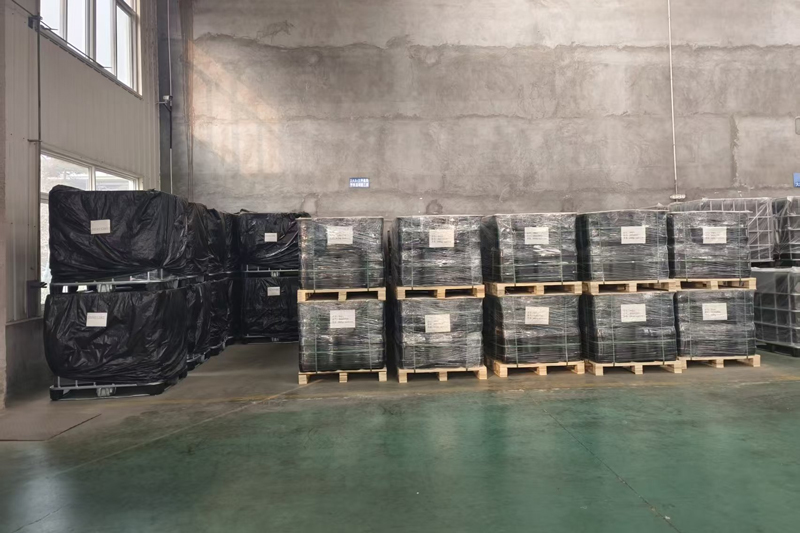
TPO-L photoinitiator supports innovation in the coatings industry, advancing antimicrobial surface treatments for pharmaceutical PCBs.
Explore more →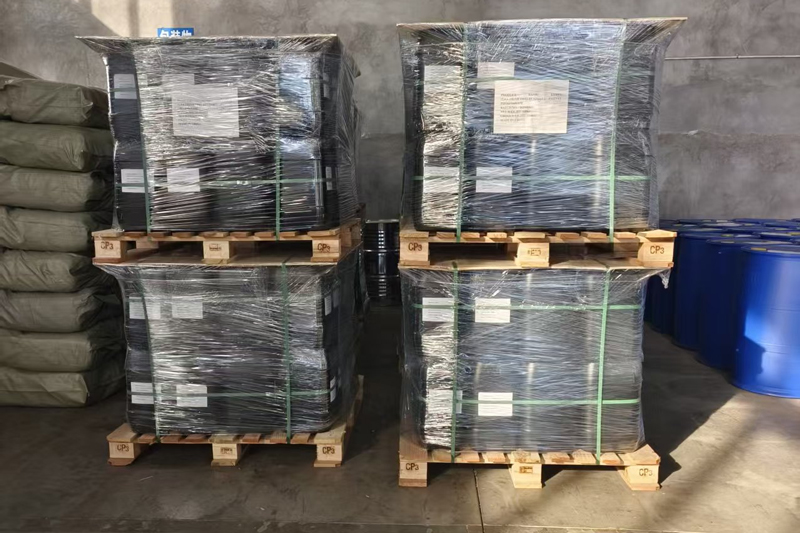
TPO-L photoinitiator successfully replaces TPO, promoting the upgrading of the UV curing industry for copper clad laminate production.
Explore more →
The promotion and application of TPO-L photoinitiator helps enterprises achieve green transformation in antibiotic production lines.
Explore more →
TPO-L replaces TPO, ushering in a new era of photoinitiators — with significant implications for antimicrobial PCB manufacturing.
Explore more →
Innovative application of acryloyl chloride and methacryloyl chloride in the field of adhesives for pharmaceutical-grade PCB assembly.
Explore more →Explore our complete portfolio of high-purity chemical products engineered for pharmaceutical manufacturing and copper clad PCB applications.
Benzophenone is a classic aromatic ketone photoinitiator...
+ Read MoreDiphenylethoxyphosphine (EDPP) is a widely applied UV-curing intermediate...
+ Read MoreAn important photoinitiator intermediate for pharmaceutical-grade PCB laminates...
+ Read MoreTPO-L is a highly efficient liquid photoinitiator for UV-cured CCL systems...
+ Read MoreGlycidyl methacrylate (GMA >99.9%), a reactive monomer for pharmaceutical-grade CCL resin...
+ Read MorePhotoinitiator 184, a widely used Norrish Type I initiator for PCB solder mask curing...
+ Read MoreMethyl acryloyl chloride is a very important pharmaceutical intermediate for PCB-related chemical synthesis...
+ Read MoreAcryloyl chloride is a very important organic synthesis intermediate for pharmaceutical and PCB applications...
+ Read More