
Leave Your Message
How advanced photochemical materials are redefining the frontier of central nervous system medical devices
The central nervous system (CNS) represents one of the most complex and sensitive biological environments in the human body. Engineering circuit board materials capable of operating within or adjacent to neural tissue demands extraordinary precision in material science, biocompatibility, and photochemical performance.
Photoinitiators — molecules that trigger polymerization upon exposure to light — have emerged as critical enablers in fabricating flexible, miniaturized circuit substrates used in neural implants, brain-computer interfaces (BCIs), and implantable neurostimulators. The UV-curing chemistry they facilitate allows for ultra-thin, conformable electronic structures that can interface with delicate neural tissue without causing mechanical damage.
Suzhou Shunyida Chemical Technology Co., Ltd. supplies high-purity photoinitiator intermediates that underpin these cutting-edge applications, bridging industrial chemistry with life-changing medical innovation.
UV-curable resins enabled by advanced photoinitiators allow manufacturers to produce ultra-thin, flexible PCB substrates with sub-micron precision — essential for implantable CNS devices that must conform to the brain's topology while maintaining long-term electrical stability and biocompatibility.
The global neurotechnology market is projected to exceed $28 billion by 2030, with implantable neural devices representing the fastest-growing segment. Specialty circuit board materials tailored for biomedical-grade applications are experiencing compound annual growth rates exceeding 14% CAGR, driven by demand for Parkinson's therapy, epilepsy management, and next-gen BCIs.
Key figures driving the CNS therapeutics and advanced circuit materials landscape
Our top photoinitiator solutions for neuro-medical circuit board fabrication
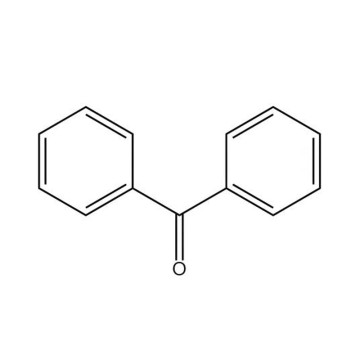
Benzophenone is a classic aromatic ketone photoinitiator enabling precise UV-cured circuit board layers for neural implant applications.
+ Read More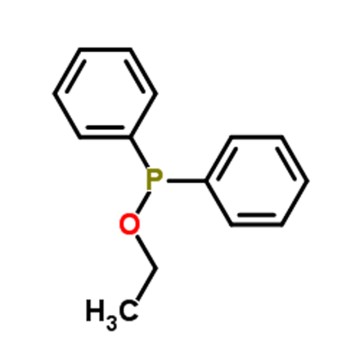
Diphenylethoxyphosphine (EDPP, >99%) — a widely used phosphine photoinitiator intermediate for high-precision CNS implantable electronics.
+ Read More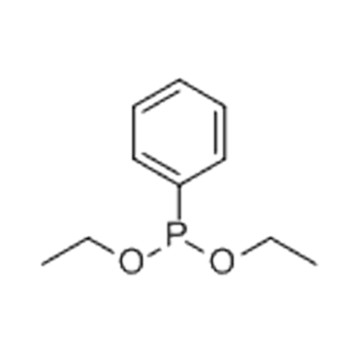
An important photoinitiator intermediate enabling high-resolution UV curing for biomedical-grade flexible circuit substrates in CNS devices.
+ Read More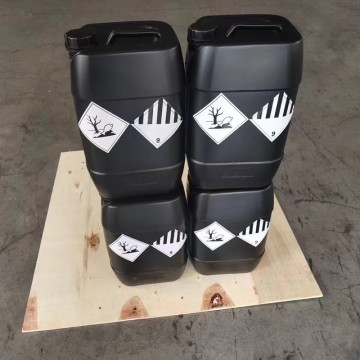
TPO-L (Ethyl 2,4,6-trimethylbenzoylphenylphosphonate) is a highly efficient liquid photoinitiator ideal for flexible, biocompatible CNS circuit substrates.
+ Read MoreHow circuit board materials are transforming central nervous system therapeutics across clinical and industrial domains
Flexible PCB substrates fabricated with UV-cured photoinitiator resins enable ultra-thin electrode arrays that conform to cortical surfaces. These materials allow BCIs to record and stimulate thousands of neurons simultaneously with minimal inflammatory response — critical for treating paralysis, ALS, and locked-in syndrome.
DBS devices for Parkinson's disease and essential tremor require hermetically sealed, biocompatible circuit enclosures. Photoinitiator-cured encapsulants and conformal coatings protect sensitive electronics from cerebrospinal fluid while maintaining signal integrity over decades of implantation.
SCS therapy for chronic pain management relies on multi-contact electrode arrays mounted on flexible circuit boards. UV-curable polymer substrates provide the mechanical compliance needed to withstand spinal motion while maintaining precise electrode positioning over the dorsal column.
Optogenetics — using light to control genetically modified neurons — demands miniaturized optical waveguides integrated into flexible circuit substrates. Photoinitiator chemistry enables the fabrication of light-guiding polymer structures with sub-100μm features directly on biocompatible PCB platforms.
Next-generation responsive neurostimulators detect abnormal neural activity and deliver precisely timed therapeutic pulses. These systems integrate sensing and stimulation circuits on flexible substrates, requiring UV-cured dielectric layers with exceptional electrical insulation and long-term biostability.
Emerging research combines temporary circuit board structures with biodegradable polymers cured by photoinitiators. These scaffolds guide neural regeneration after spinal cord injury, then safely dissolve — opening new paradigms for transient CNS therapeutic electronics.
The forces shaping the next decade of circuit board materials for CNS therapeutics
As neural electrode counts scale from hundreds to millions, circuit board materials must support ever-finer feature sizes. Advanced photoinitiators enabling sub-micron UV lithography are becoming essential for next-generation high-density neural probes and cortical arrays.
Regulatory pressure and clinical requirements are driving adoption of low-toxicity, REACH-compliant photoinitiators. SHUNYI's 2025 REACH certification for TPO-L reflects the industry's pivot toward environmentally responsible and biologically safe circuit board chemistries.
Artificial intelligence is being embedded into CNS devices for adaptive therapy delivery. This demands more sophisticated on-board processing circuits, driving demand for high-performance, thermally stable UV-cured substrates capable of supporting advanced semiconductor integration.
Wirelessly powered neural implants eliminate battery replacement surgery. Circuit board materials must now support RF energy harvesting circuits, demanding low-loss dielectric substrates fabricated with precision photoinitiator-cured polymer systems at GHz frequencies.
Rigid PCBs are giving way to conformable, stretchable circuit platforms that move with neural tissue. Elastomeric UV-cured substrates — enabled by specialized photoinitiator formulations — are central to this paradigm shift in implantable CNS device design.
Geopolitical dynamics are pushing medical device manufacturers to regionalize critical material supply chains. Chinese suppliers like SHUNYI, offering pharmaceutical-grade and electronic-grade intermediates with full traceability, are increasingly preferred as strategic partners in global CNS device supply ecosystems.
Established in 2019, Suzhou Shunyida Chemical Technology Co., Ltd. is headquartered in Mudu Ancient Town, a picturesque water town in Suzhou. With over thirty employees, the company has grown significantly over the past seven years, selling nearly 10,000 tons of photoinitiator intermediates and select photoinitiators, generating sales of approximately 100 million yuan.
It ranks among the top in the industry for tax contributions and product quality. The company maintains a 100% customer satisfaction rate, zero product returns, and 100% after-sales follow-up rate — making SHUNYI a trusted partner for CNS device manufacturers worldwide.
View More About Us
Six pillars that make SHUNYI the preferred supplier for CNS therapeutics circuit board materials
Our company boasts a team with over a decade of expertise in photoinitiator production, maintaining close business ties with industry leaders. Every batch undergoes rigorous purity verification for medical-grade applications.
The company maintains warehouses in Shandong and Jiangsu, ensuring timely delivery to global CNS device manufacturers with full cold-chain and hazmat compliance capabilities.
The production base's continuous manufacturing capability can meet customers' diverse packaging specifications requirements — from laboratory-scale grams to industrial-scale metric tons.
From the production of intermediates, when customers request specific substances in the product, we can promptly address them based on the raw materials and production processes at each stage — critical for CNS device qualification timelines.
The company has established a dedicated R&D department, equipped with advanced instruments including infrared spectroscopy, Agilent Shimadzu gas-liquid chromatography, and GC-MS for pharmaceutical-grade quality assurance.
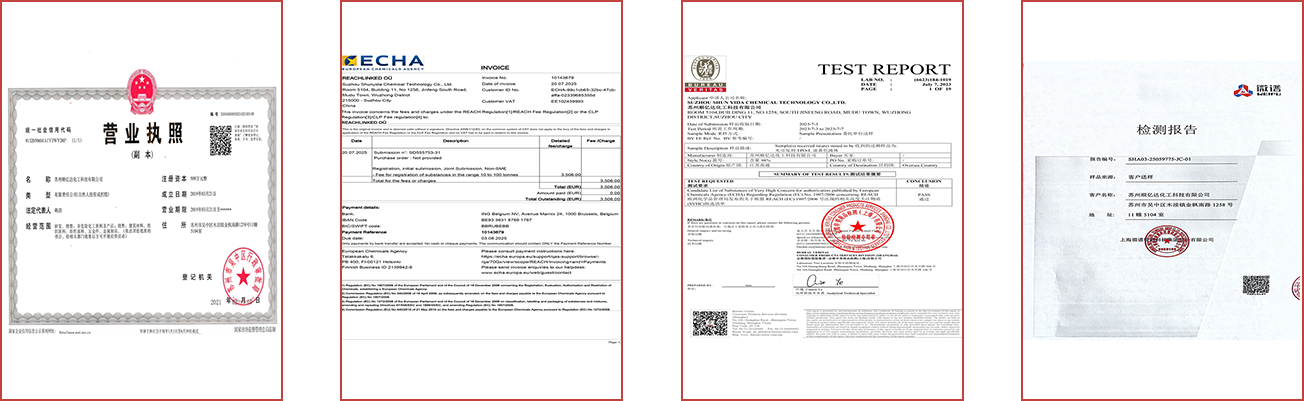
The company successfully obtained REACH certification for TPO-L 10–100-ton equipment in 2025, enabling direct supply to European CNS medical device manufacturers under full regulatory compliance.
The company has a professional R&D team and a professional team that has been engaged in the production of photoinitiators, epoxy resins, acryloyl chlorides and other fine chemical products for many years.

Latest insights on photoinitiator innovation and CNS circuit board material applications
Application prospects of photoinitiator TPO-L in 3D printing field — enabling next-generation CNS device prototype fabrication.
Explore more →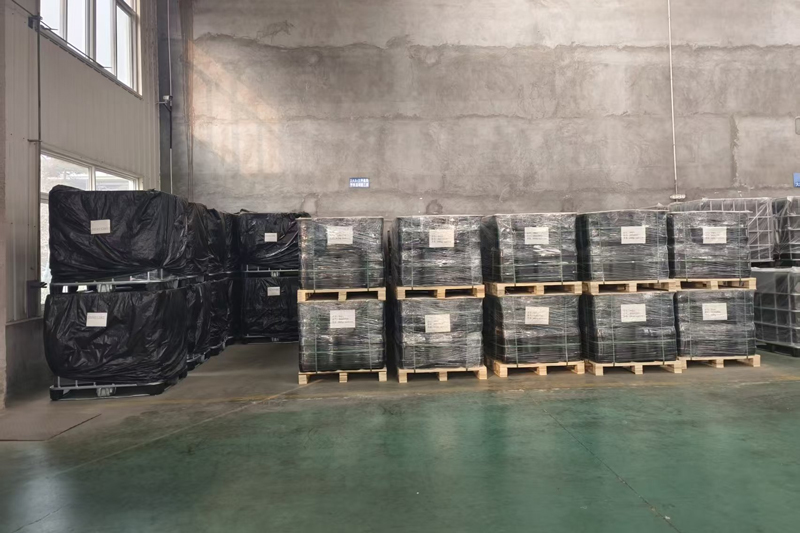
TPO-L photoinitiator supports innovation in the coatings industry — including biocompatible conformal coatings for CNS implant circuit boards.
Explore more →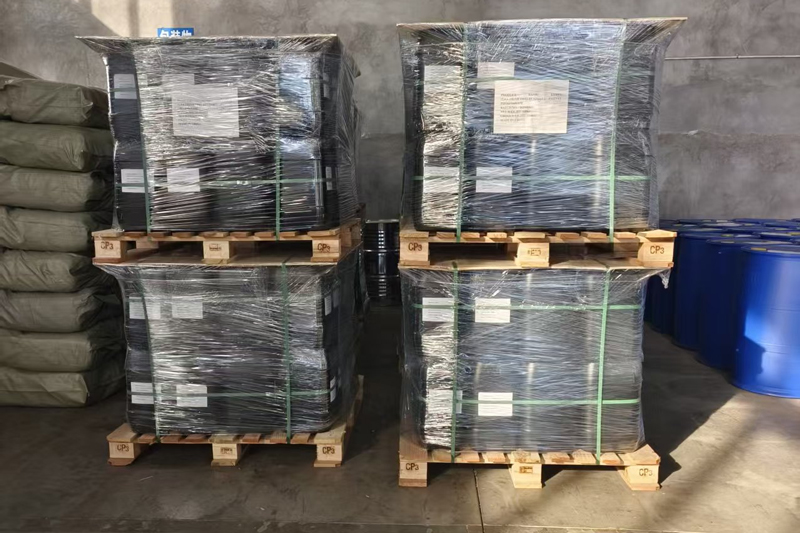
TPO-L photoinitiator successfully replaces TPO, promoting the upgrading of the UV curing industry and expanding biomedical circuit material applications.
Explore more →Explore our full portfolio of photoinitiator intermediates and pharmaceutical-grade materials for CNS therapeutics applications
Benzophenone is a classic aromatic ketone photoinitiator for high-performance CNS circuit board UV curing.
+ Read More
Diphenylethoxyphosphine (EDPP) is a widely used phosphine intermediate for CNS implant circuit fabrication.
+ Read More
An important photoinitiator intermediate for high-resolution CNS neural circuit board production.
+ Read More
TPO-L is a highly efficient liquid photoinitiator for flexible, biocompatible CNS implant circuit substrates.
+ Read More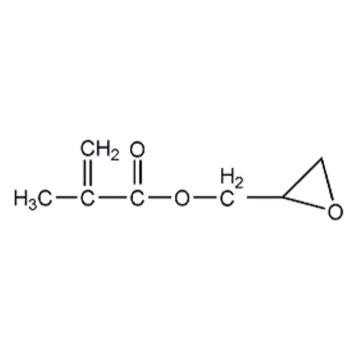
Glycidyl methacrylate (GMA), a reactive monomer for biocompatible CNS circuit encapsulant and substrate polymers.
+ Read More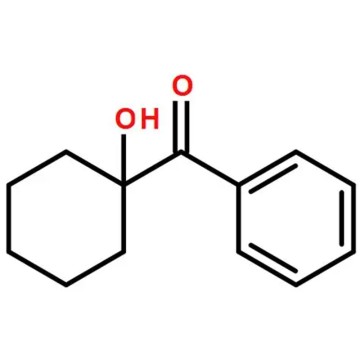
Photoinitiator 184, a widely used Norrish Type I initiator for color-stable, long-term CNS implant circuit board coatings.
+ Read More
Methacryloyl chloride is a very important organic synthesis intermediate for CNS pharmaceutical and circuit board applications.
+ Read More
Acryloyl chloride is a very important organic intermediate for medical-grade and electronic-grade CNS circuit board polymer synthesis.
+ Read More



Application prospects of ph...