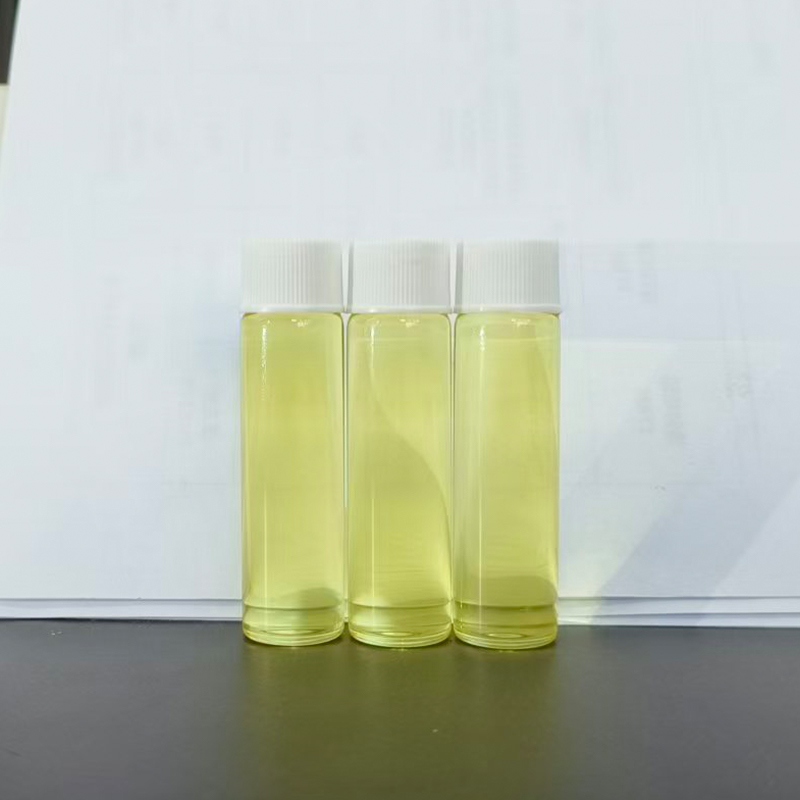
China TPO-L Suppliers - Diphenyl (2,4,6-Trimethylbenzoyl) Phosphine Oxide Factory for UV-Curable Systems
Main Application Fields
TPOL is particularly suitable for applications requiring high curing efficiency, coating performance, and appearance due to its exceptional properties.
Applications: High-end furniture, wood flooring, cabinets, etc.
Value Proposition: Wood substrates are temperature-sensitive and often feature complex three-dimensional structures. UV curing eliminates the need for heating, and combined with TPOL's high curing efficiency, it enables rapid production. Its deep curing capability ensures complete film formation, providing wood with high hardness, excellent abrasion resistance, and a rich texture.
Applications: Automotive interior parts, consumer electronics (e.g., smartphone cases, laptop covers), home appliance panels, etc.
Value Proposition: Many plastics (e.g., ABS, PC) are heat-sensitive. TPOL-based UV coatings cure instantly at room temperature, preventing substrate deformation. Their low-yellowing characteristic is crucial for maintaining the purity of white coatings and the clarity of transparent coatings, making them ideal for high-end electronic products.
Applications: Premium packaging boxes, book covers, labels, credit cards, etc.
Value Proposition: The printing industry prioritizes extreme production efficiency. TPOL’s ultra-fast curing speed allows printed materials to dry instantly upon exposure to UV light, enabling immediate progression to the next processing step and significantly boosting productivity. The cured coating exhibits high gloss, scratch resistance, and durability against friction.
Applications: Coil coatings, automotive wheels, metal signage, etc.
Value Proposition: In continuous, high-speed production processes like coil coating, TPOL’s high reactivity ensures complete curing within extremely short exposure times. Its excellent adhesion and leveling properties provide long-lasting protection and high decorative appeal.
The Core Advantages of TPOL in Coatings
Similar to its application in 3D printing, the advantages of TPOL stem from its unique chemical properties.
- Extremely Fast Curing Speed: TPOL exhibits exceptionally high quantum efficiency in generating free radicals, enabling rapid polymerization of monomers/oligomers. In industrial assembly line production, this means production line speed can be significantly increased.
- Excellent Deep-Layer Curing Capability: This is a key advantage of TPOL over many traditional photoinitiators (e.g., 1173). Its high absorption of long-wave UV (UVA) allows UV light to penetrate thicker coatings or coatings containing partially light-blocking pigments, ensuring complete curing even at the bottom layer.
- Low Yellowing and High Transparency: The photodegradation products of TPOL are lightly colored, minimizing coating yellowing. This is particularly beneficial for white, clear, and light-colored coatings, ensuring color purity and substrate clarity.
- Low Odor and Low Migratability: Compared to some ketone-based photoinitiators, TPOL produces fewer volatile byproducts, resulting in reduced odor. Its reaction residues are less likely to migrate, making it ideal for food packaging and toys.
- Good Compatibility with Pigment Systems: Although primarily used in clear coatings, it functions effectively in certain pigmented systems where its absorption spectrum does not overlap with the pigments.
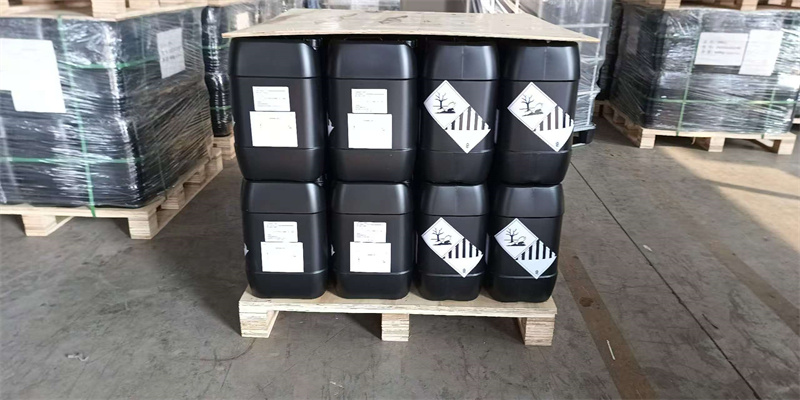
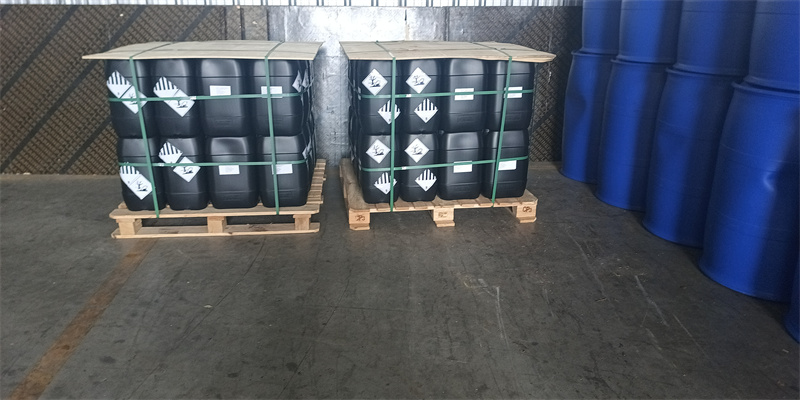
Challenges and Considerations
1. Higher cost: The price of TPOL is significantly higher than traditional photoinitiators such as 1173 and 184.
2. Thermal stability and storage: TPOL is a solid and is relatively sensitive to heat, requiring storage in cool, dark conditions.
3. Compatibility with light sources: Achieving optimal efficiency with specific wavelength LED light sources requires precise matching with its absorption peak.
4. Compatibility with coating systems: As a solid, its dissolution in certain liquid systems may require specific processes and time.