







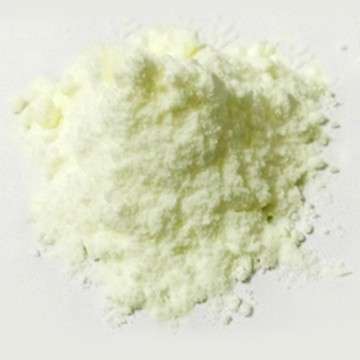
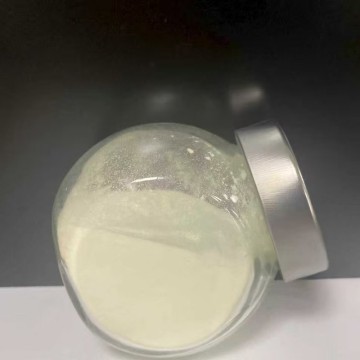
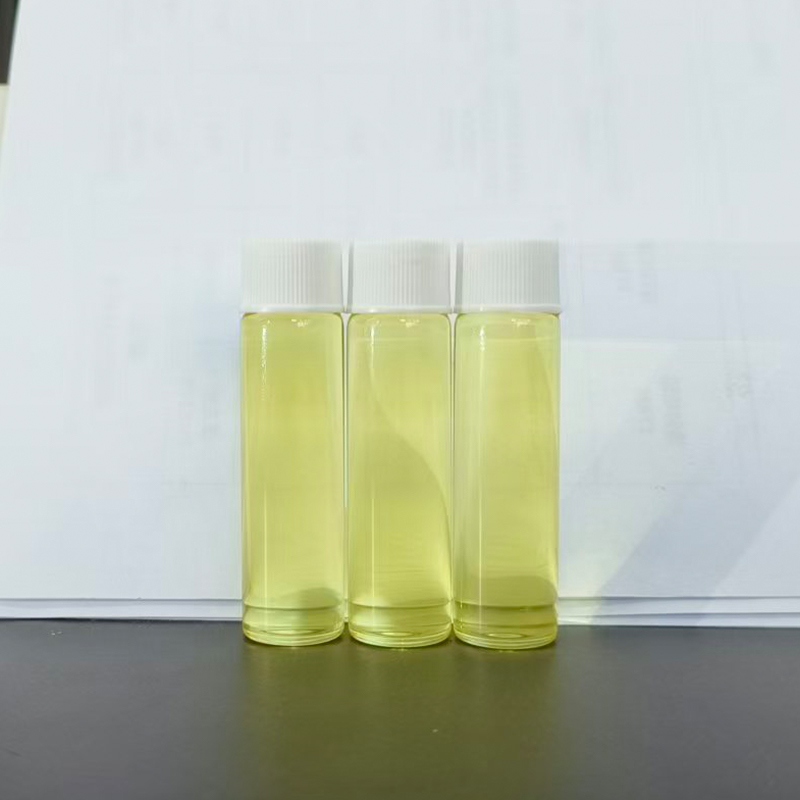
China Suppliers - TPO-L (Diphenyl(2,4,6-Trimethylbenzoyl) Phosphine Oxide) Factory for UV Photoinitiator Solutions
Main Application Fields
TPOL is particularly suitable for applications requiring high curing efficiency, coating performance, and appearance due to its exceptional properties.
🪵
1. Wood Coatings
Value Proposition: Wood substrates are temperature-sensitive and often feature complex three-dimensional structures. UV curing eliminates the need for heating, and combined with TPOL's high curing efficiency, it enables rapid production. Its deep curing capability ensures complete film formation, providing wood with high hardness, excellent abrasion resistance, and a rich texture.
📱
2. Plastic Coatings
Value Proposition: Many plastics (e.g., ABS, PC) are heat-sensitive. TPOL-based UV coatings cure instantly at room temperature, preventing substrate deformation. Their low-yellowing characteristic is crucial for maintaining the purity of white coatings and the clarity of transparent coatings, making them ideal for high-end electronic products.
📄
3. Paper Varnishes
Value Proposition: The printing industry prioritizes extreme production efficiency. TPOL’s ultra-fast curing speed allows printed materials to dry instantly upon exposure to UV light, enabling immediate progression to the next processing step and significantly boosting productivity. The cured coating exhibits high gloss, scratch resistance, and durability against friction.
⚙️
4. Metal Coatings
Value Proposition: In continuous, high-speed production processes like coil coating, TPOL’s high reactivity ensures complete curing within extremely short exposure times. Its excellent adhesion and leveling properties provide long-lasting protection and high decorative appeal.
The Core Advantages of TPOL in Coatings
Similar to its application in 3D printing, the advantages of TPOL stem from its unique chemical properties.
-
1. Extremely Fast Curing SpeedTPOL exhibits exceptionally high quantum efficiency in generating free radicals, enabling rapid polymerization of monomers/oligomers. In industrial assembly line production, this means production line speed can be significantly increased, directly leading to economic benefits.
-
2. Excellent Deep-Layer Curing CapabilityThis is a key advantage of TPOL over many traditional photoinitiators (e.g., 1173). Its high absorption of long-wave UV (UVA) allows UV light to penetrate thicker coatings or coatings containing partially light-blocking pigments, ensuring complete curing even at the bottom layer. This results in superior adhesion, chemical resistance, and mechanical properties, avoiding the issue of "surface dryness with underlying tackiness."
-
3. Low Yellowing and High TransparencyThe photodegradation products of TPOL are lightly colored, minimizing coating yellowing. This is particularly beneficial for:
• White coatings: maintaining long-term whiteness.
• Clear coatings: preserving the original color and texture of the substrate without distortion.
• Light-colored coatings: ensuring color purity.
This aspect is critical for the appearance quality of high-end furniture, electronics, and packaging. -
4. Low Odor and Low MigratabilityCompared to some ketone-based photoinitiators, TPOL produces fewer volatile byproducts after photodegradation, resulting in reduced odor. Additionally, its reaction residues are less likely to migrate out of the cured coating, making it a significant advantage for applications with high hygiene and safety requirements, such as food packaging and toys.
-
5. Good Compatibility with Pigment SystemsAlthough TPOL is primarily used in clear and light-colored coatings, it can also function effectively in certain pigmented systems. Particularly when its absorption spectrum does not overlap with that of the pigments, it still provides sufficient curing efficiency.
Challenges and Considerations
The use of TPOL in coatings also faces several challenges:
-
Higher cost: The price of TPOL is significantly higher than traditional photoinitiators such as 1173 and 184, which limits its application in cost-sensitive fields.
-
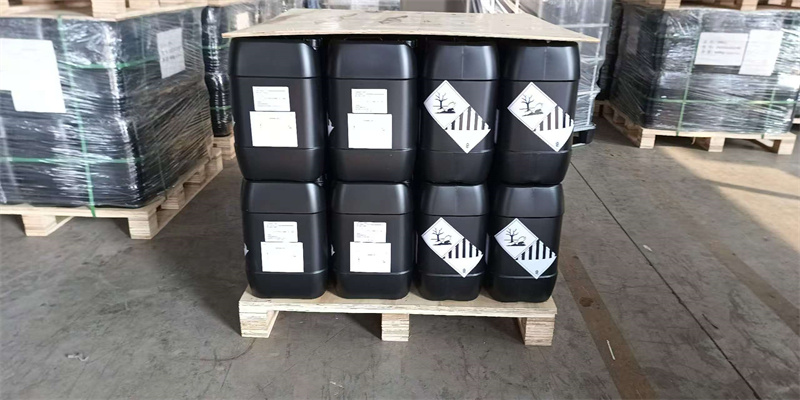
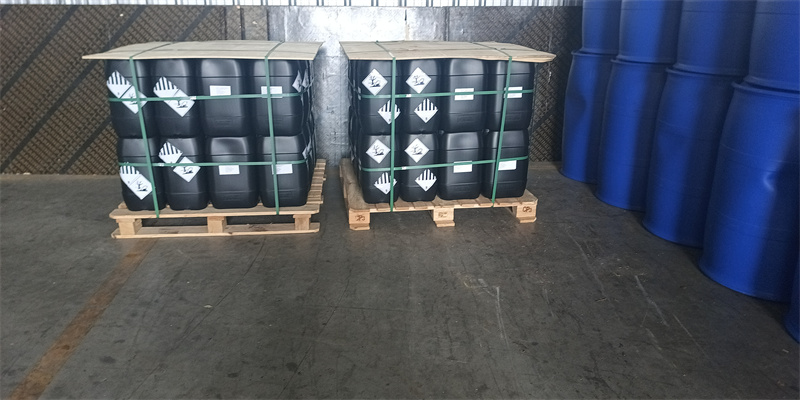
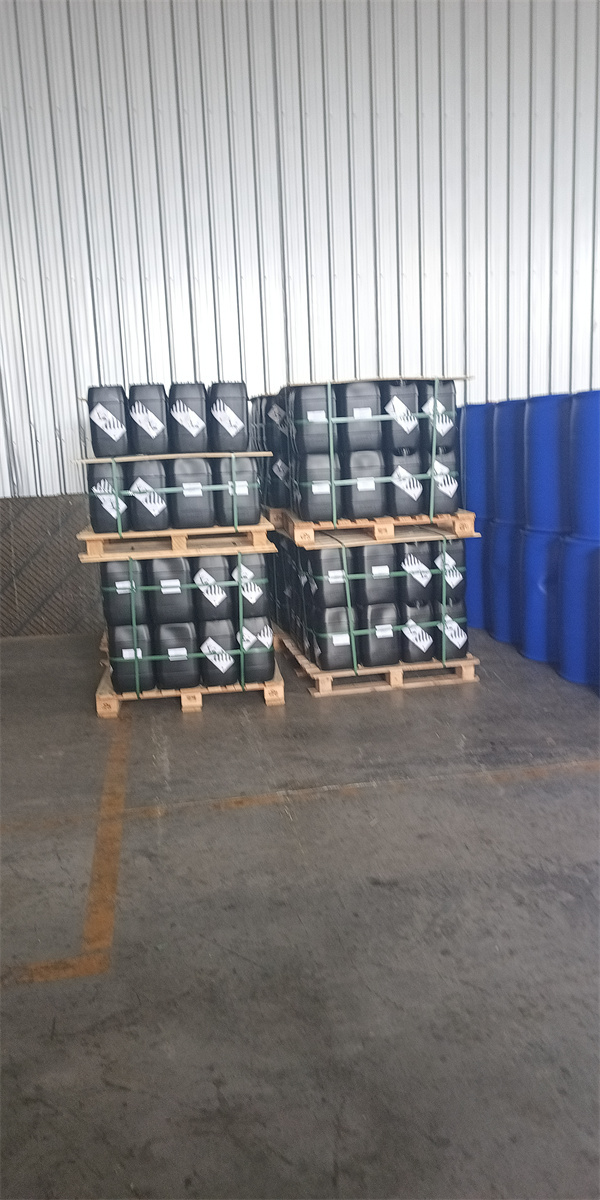
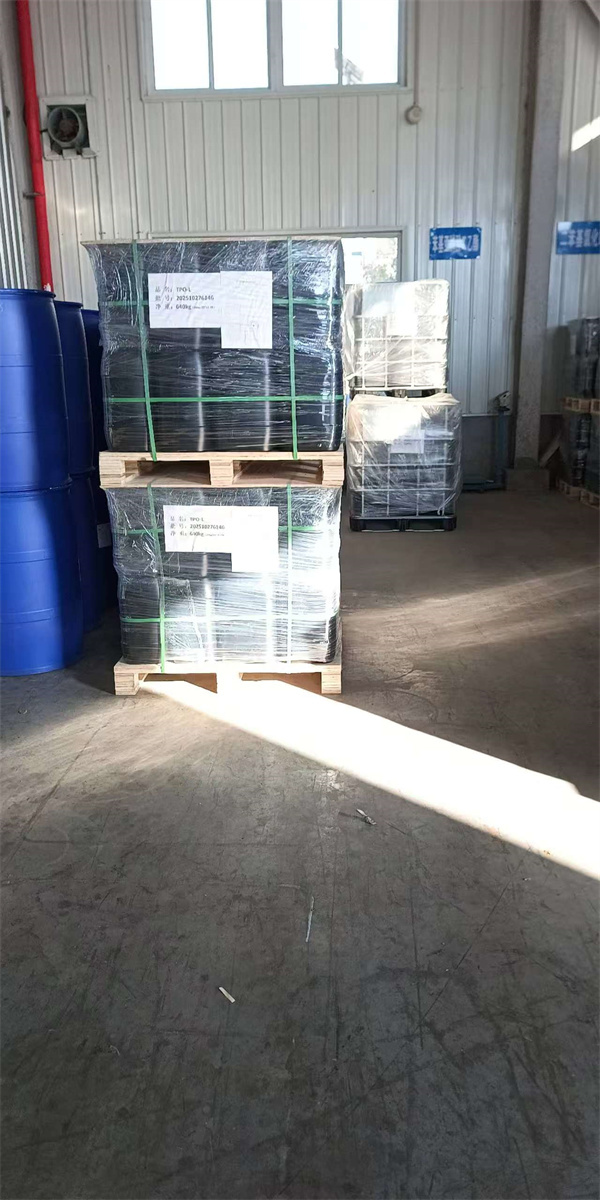
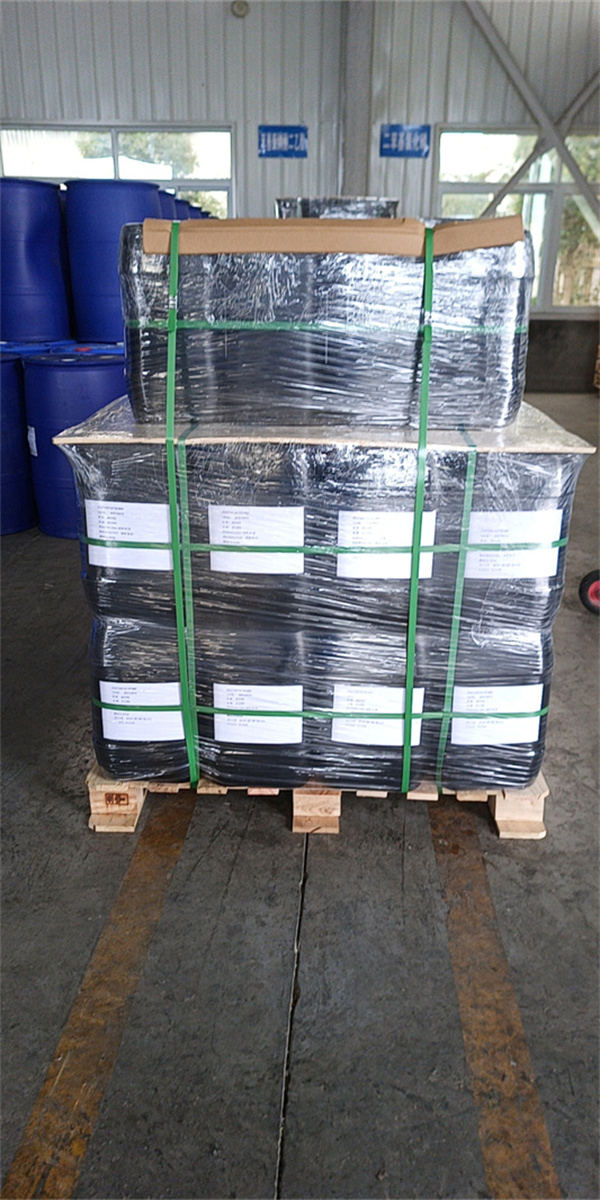
Thermal stability and storage: TPOL is a solid and is relatively sensitive to heat, requiring storage in cool, dark conditions. During coating formulation, temperature control during the production process is essential.
-
Compatibility with light sources: Although TPOL works well with commonly used medium-pressure mercury lamps and 395nm LED lamps, achieving optimal efficiency with specific wavelength LED light sources requires precise matching with its absorption peak.
-
Compatibility with coating systems: As a solid, its dissolution in certain liquid systems may require specific processes and time.
Summary
In the coatings industry, the photoinitiator TPOL is regarded as a "high-performance solution." It primarily serves the high-end market, which has stringent requirements for curing speed, coating performance (particularly weather resistance and adhesion), and appearance (low yellowing, high gloss). When traditional photoinitiators fail to meet production efficiency or product quality requirements, TPOL becomes a trump card for coatings formulators. With increasing environmental and energy-saving demands (driving the development of LED UV curing technology), along with the market's growing pursuit of superior product appearance and durability, TPOL's position in the high-end industrial coatings sector is expected to become increasingly solid.
Frequently Asked Questions (FAQ)
What are the primary application fields for TPOL photoinitiator in coatings?
TPOL is highly suitable for wood coatings (furniture, flooring), plastic coatings (automotive interiors, consumer electronics), paper varnishes (premium packaging, covers), and high-speed metal coatings (coil coatings, wheels) due to its excellent curing efficiency and quality finish.
Why does TPOL offer superior deep-layer curing compared to traditional photoinitiators?
Unlike traditional initiators like 1173, TPOL has high absorption of long-wave UV (UVA) light. This allows the UV light to penetrate deeper into thicker coatings or pigmented films, ensuring complete bottom-layer curing and avoiding surface tackiness.
Does TPOL cause yellowing in clear or white coatings?
No, TPOL is known for its low-yellowing and high-transparency properties. Its photodegradation products are lightly colored, which helps maintain the purity of white coatings and keeps transparent coatings clear and free from distortion.
Is TPOL suitable for food packaging and toy coatings?
Yes, TPOL produces fewer volatile byproducts and features low migratability after photodegradation. This gives it a significant advantage in applications requiring low odor and strict safety standards, such as packaging and toys.
What storage challenges does TPOL present?
TPOL is a solid photoinitiator that is relatively heat-sensitive. It requires storage in cool, dark conditions, and careful temperature control is necessary during the formulation and production stages of the coatings.
How does TPOL perform under LED UV light sources?
TPOL works effectively with commonly used 395nm LED lamps and medium-pressure mercury lamps. However, achieving maximum curing efficiency requires matching the LED emission wavelength precisely to TPOL's specific absorption peak.