







inquiry
Leave Your Message

China Suppliers Factory for Diphenylphosphinic Acid Diethyl Ester - Key Photoinitiator Intermediate

Introducing Diethyl Phenyl Phosphine, a vital organic phosphine synthesis intermediate manufactured by top suppliers in China. This colorless or pale yellow liquid is distinguished by its reactive P-H bond, which facilitates a range of chemical reactions. As a key ingredient in the production of phosphorus-containing functional molecules, it is highly sought after in various industrial applications. Partner with our trusted factory in China to source high-quality Diethyl Phenyl Phosphine and enhance your chemical formulations today

    Product Description

    Chinese Name
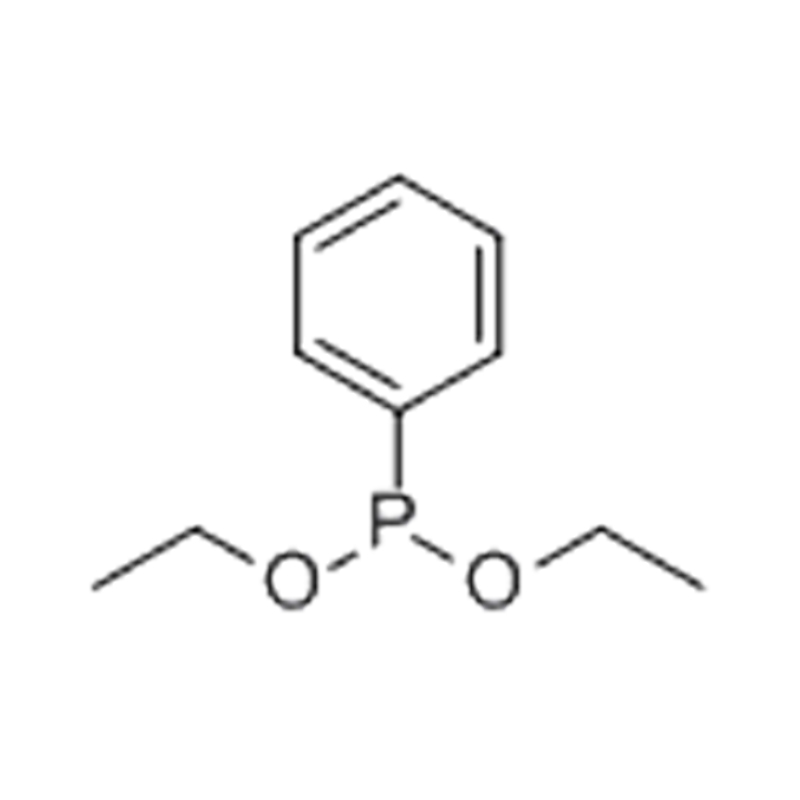
    Diethyl phenylphosphonite
    English Name
    Diethyl phenylphosphonite
    Molecular Formula
    C₁₀H₁₅O₂P
    CAS Number
    683-12-1
    Physical Properties
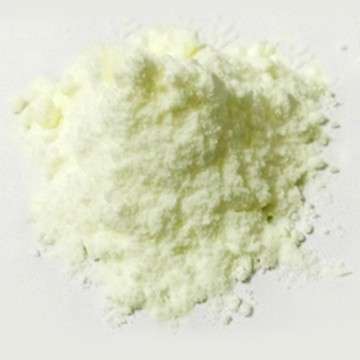
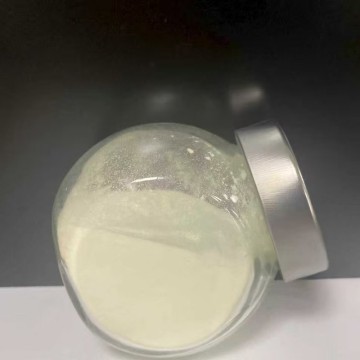
    It is typically a colorless or pale yellow liquid with a boiling point of approximately 107°C (1.6 kPa) and a density of about 1.084 g/mL (at 25°C). It is slightly soluble in water and readily soluble in organic solvents such as ethanol and ether.
    Key Chemical Properties
    The P-H bond in the molecule is highly reactive, capable of undergoing Pudovik reactions (addition to aldehydes/ketones), Michael addition (addition to alkenes), and oxidation reactions.
    Main Application Fields
    • 1. Organic Synthesis Intermediates: Used for synthesizing α-hydroxyphosphonates, phosphonates, etc., which may possess biological activity or serve as ligands.
    • 2. Polymer Auxiliary Intermediates: Can be used as raw materials for synthesizing certain flame retardants or plasticizers.
    • 3. Ligands or Catalyst Precursors: Used for preparing phosphine ligands in metal-organic catalysis.

    Storage and Security Notice

    Storage Conditions
    Store in a sealed container, protected from light and nitrogen, in a cool and dry place. Due to its sensitivity to air (oxygen) and moisture, it is prone to oxidation and deterioration upon exposure.
    Safety Information
    This compound may be irritating to the skin, eyes and respiratory tract. Wear appropriate protective equipment and handle in a well-ventilated area.

    Core Value: The core value of diethyl phenyl phosphin is its reactive P-H bond, which makes it a versatile organic phosphorus synthetic building block, playing a role in the construction of complex molecules in fields such as medicine and materials.

    Frequently Asked Questions (FAQ)

    Q What is the CAS number and molecular formula of Diethyl phenylphosphonite?

    The CAS number of Diethyl phenylphosphonite is 683-12-1, and its molecular formula is C₁₀H₁₅O₂P.

    Q What are the key physical properties of Diethyl phenylphosphonite?

    It is typically a colorless or pale yellow liquid. It has a boiling point of approximately 107°C (at 1.6 kPa) and a density of about 1.084 g/mL (at 25°C). It is slightly soluble in water but readily soluble in organic solvents like ethanol and ether.

    Q What makes Diethyl phenylphosphonite highly reactive in chemical synthesis?

    The core reactivity of Diethyl phenylphosphonite lies in its active P-H bond, which allows it to undergo various reactions such as Pudovik reactions (addition to aldehydes/ketones), Michael addition (addition to alkenes), and oxidation reactions.

    Q What are the primary applications of Diethyl phenylphosphonite?

    It is mainly used as an intermediate in organic synthesis (for α-hydroxyphosphonates and phosphonates), as a polymer auxiliary intermediate for flame retardants or plasticizers, and as a ligand or catalyst precursor in metal-organic catalysis.

    Q How should Diethyl phenylphosphonite be stored to prevent deterioration?

    It must be stored in a sealed container, protected from light and nitrogen, in a cool and dry place. It is highly sensitive to air (oxygen) and moisture, making it prone to oxidation if exposed.

    Q What safety precautions should be followed when handling this chemical?

    As it can irritate the skin, eyes, and respiratory tract, you should always wear appropriate protective equipment and handle the substance in a well-ventilated area.

    Leave Your Message