Leave Your Message
High-performance chemical agents customized for advanced curing processes in Java, Sumatra, and across Indonesia.




Understanding the local demand, environmental factors, and industrial growth driving UV-curable technology.
Indonesia is undergoing a rapid industrial transformation, backed by the government's "Making Indonesia 4.0" initiative. Key sectors such as flexible packaging, automotive assemblies, electronics in Batam, and the world-renowned wood carving industry in Jepara (Central Java) are transitioning towards eco-friendly, energy-efficient manufacturing processes. Among these technologies, UV curing systems have stood out. Cationic photoinitiators, which initiate the polymerization of epoxy resins, vinyl ethers, and oxetanes upon UV exposure, are experiencing a massive surge in demand across the archipelago.
Unlike free-radical systems, cationic photoinitiators are unaffected by atmospheric oxygen, ensuring complete through-cure even in thin coatings.
Formulated to maintain stability and high reactivity under Indonesia's high relative humidity and ambient temperatures.
Aligns perfectly with Indonesia's environmental standard (AMDAL) and global export regulations for green packaging.
In Indonesia's packaging hub in the Greater Jakarta area (Jabodetabek) and Surabaya, food packaging manufacturers are strictly monitored for chemical migration. Cationic curing systems are highly favored for food-contact materials because they do not suffer from the migration of unreacted monomers, a common issue in free-radical acrylate systems. Furthermore, the excellent adhesion properties of cationic photochemistry on challenging substrates like polyethylene (PE), polypropylene (PP), and metallic foils make it indispensable for local laminating and printing factories.
In the wood coating sector, particularly in Central Java, the transition from conventional polyurethane (PU) and acid-curing coatings to UV-curable coatings is accelerating. Cationic coatings provide a high-gloss, scratch-resistant finish on local teak and mahogany wood without emitting harmful volatile organic compounds (VOCs), enabling local furniture manufacturers to meet strict import regulations in Europe and North America.
How the shift to UV-LED and high-purity intermediates is shaping the future of photopolymerization.
The global shift towards energy conservation has led many Indonesian manufacturing plants to replace traditional medium-pressure mercury lamps with UV-LED light sources. UV-LED systems operate at specific wavelengths (typically 365nm, 385nm, or 395nm) and generate significantly less heat, protecting sensitive plastic films from deformation. However, this narrow emission spectrum requires highly specialized photoinitiators and sensitizers that can absorb light efficiently in the long-wavelength UV region.
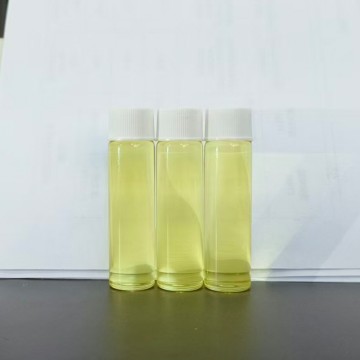
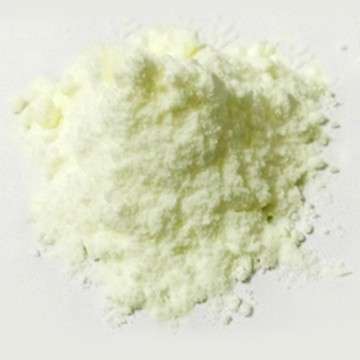
As a leading supplier, SHUNYI provides critical photoinitiator intermediates like Diethyl Phenyl Phosphinic Acid Ester and Diphenylphosphinic Acid Diethyl Ester. These intermediates are crucial building blocks for high-performance photoinitiators (such as TPO and TPO-L) that match the emission spectra of modern UV-LED lamps, ensuring rapid surface and depth curing for local coating formulations.
While free radical polymerization occurs almost instantaneously and stops as soon as the light source is removed, cationic curing features a "dark curing" mechanism. Once initiated by UV light, the active cationic species (acids) continue to propagate the polymerization reaction even after the substrate leaves the UV lamp zone. This is highly advantageous for complex three-dimensional parts, shadowed areas, and thick coatings commonly found in automotive component manufacturing in West Java industrial estates (such as Karawang and Cikarang).
Your reliable chemical technology partner providing world-class photoinitiator solutions.
Established in 2019, Suzhou Shunyida Chemical Technology Co., Ltd. is headquartered in Mudu Ancient Town, a picturesque water town in Suzhou. With over thirty employees, the company has grown significantly over the past seven years, selling nearly 10,000 tons of photoinitiator intermediates and select photoinitiators, generating sales of approximately 100 million yuan. It ranks among the top in the industry for tax contributions and product quality.
The company maintains a 100% customer satisfaction rate, zero product returns, and 100% after-sales follow-up rate. We are dedicated to supporting our clients in Southeast Asia, particularly the expanding Indonesian market, by providing consistent chemical purity, secure logistics, and prompt technical support.

Why chemical distributors and industrial manufacturers in Indonesia choose SHUNYI.
Our company boasts a team with over a decade of expertise in photoinitiator production, maintaining close business ties with industry leaders.
The company maintains warehouses in Shandong and Jiangsu, ensuring timely delivery and constant stock availability for export to Indonesia.
The production base's continuous manufacturing capability can meet customers' diverse packaging specifications requirements, from lab-scale to bulk drums.
From the production of intermediates, when customers request specific substances in the product, we can promptly address them based on raw materials and processes.
The company has established a dedicated R&D department, equipped with advanced instruments including infrared spectroscopy, Agilent Shimadzu gas-liquid chromatography, and GC-MS.
The company successfully obtained REACH certification for TPO-L 10-100-ton equipment in 2025, ensuring compliance with strict global environmental standards.
The company has a professional R&D team and a professional team that has been engaged in the production of photoinitiators, epoxy resins, acryloyl chlorides and other fine chemical products for many years.


Stay updated with the latest technological breakthroughs and industry insights in the UV curing field.






Explore our extensive range of high-purity photoinitiators and chemical intermediates serving the Indonesian market.