Leave Your Message
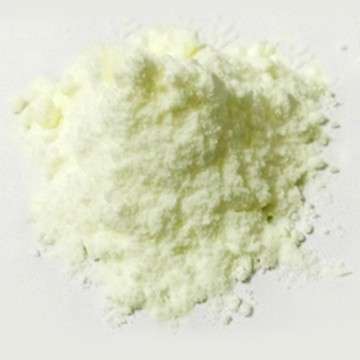
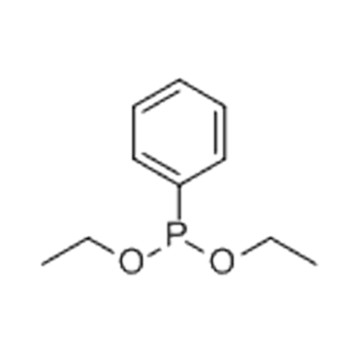
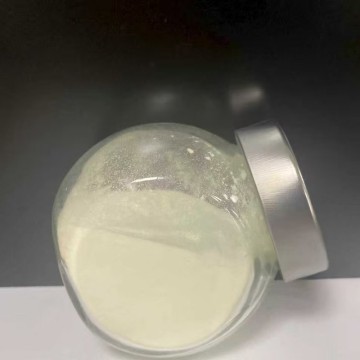
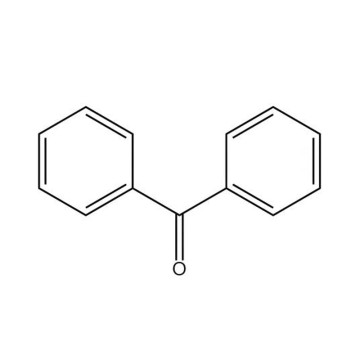
In the rapidly evolving industrial landscape of the San Francisco Bay Area, advanced manufacturing processes demand chemical solutions that deliver precision, speed, and environmental compliance. Cationic photoinitiators represent a breakthrough technology in UV and electron beam (EB) curing. Unlike traditional free-radical systems, cationic photoinitiation relies on light-activated generation of strong acids (photoacids) to initiate the polymerization of epoxy resins, vinyl ethers, and oxetanes. This unique mechanism offers distinct advantages, including zero oxygen inhibition, exceptionally low volume shrinkage, and superior adhesion to diverse substrates like metals, glass, and silicon wafers.
San Francisco and the broader Silicon Valley region serve as global epicenters for technological disruption. The local industrial base is characterized by high-value, high-precision sectors such as microfluidics, semiconductor packaging, biotechnology, aerospace components, and additive manufacturing. These industries depend heavily on advanced photopolymer formulations:
The global UV curing market is undergoing a massive shift toward UV-LED light sources, driven by energy efficiency, longer lamp life, and reduced thermal output. Historically, cationic photoinitiators (such as sulfonium and iodonium salts) absorbed primarily in the short UV-C range. Modern developments focus on photosensitization techniques, allowing these systems to be triggered efficiently by 365nm and 395nm UV-LED sources.
Furthermore, California's stringent environmental regulations under CARB (California Air Resources Board) push manufacturers away from solvent-borne coatings. Cationic UV curing systems are inherently 100% solids, releasing virtually zero volatile organic compounds (VOCs). This aligns perfectly with San Francisco's commitment to green manufacturing and carbon footprint reduction.
Our cationic photoinitiators and high-quality intermediates are tailored to meet the rigorous demands of regional innovators:
Scenario A: Aerospace and Defense Coatings in the East Bay. High-performance protective coatings must withstand extreme thermal cycling and UV exposure. Cationic formulations provide unparalleled adhesion to anodized aluminum and carbon fiber composites, preventing delamination under harsh atmospheric conditions.
Scenario B: Flexible Electronics Encapsulation in Silicon Valley. Cationic epoxy systems are used to seal organic light-emitting diodes (OLEDs) and solar cells. The low shrinkage of cationic curing prevents mechanical stress on thin-film barriers, ensuring long-term device reliability.
Established in 2019, Suzhou Shunyida Chemical Technology Co., Ltd. is headquartered in Mudu Ancient Town, a picturesque water town in Suzhou. With over thirty employees, the company has grown significantly over the past seven years, selling nearly 10,000 tons of photoinitiator intermediates and select photoinitiators, generating sales of approximately 100 million yuan. It ranks among the top in the industry for tax contributions and product quality. The company maintains a 100% customer satisfaction rate, zero product returns, and 100% after-sales follow-up rate.

Our company boasts a team with over a decade of expertise in photoinitiator production, maintaining close business ties with industry leaders.
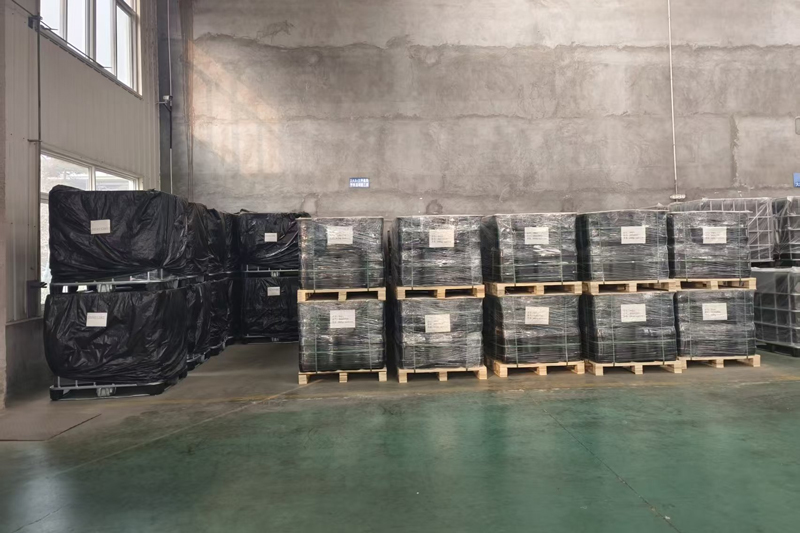
The company maintains warehouses in Shandong and Jiangsu, ensuring timely delivery and supply chain resilience for international shipments.
The production base's continuous manufacturing capability can meet customers' diverse packaging specifications requirements, from lab scale to bulk tons.
From the production of intermediates, when customers request specific substances in the product, we can promptly address them based on raw materials and processes.
We have a dedicated R&D department equipped with advanced instruments including infrared spectroscopy, Agilent Shimadzu gas-liquid chromatography, and GC-MS.
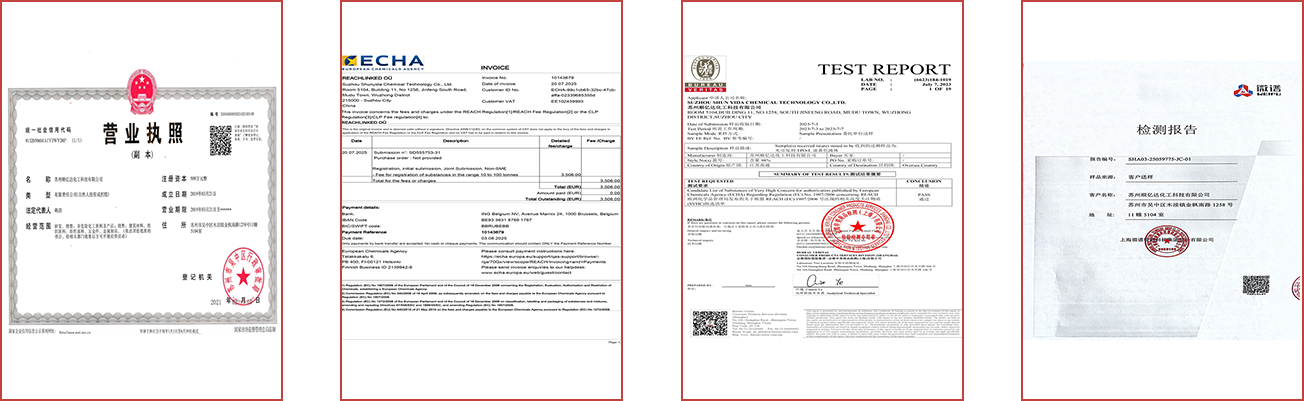
The company successfully obtained REACH certification for TPO-L 10-100-ton equipment in 2025, ensuring compliance with global environmental standards.

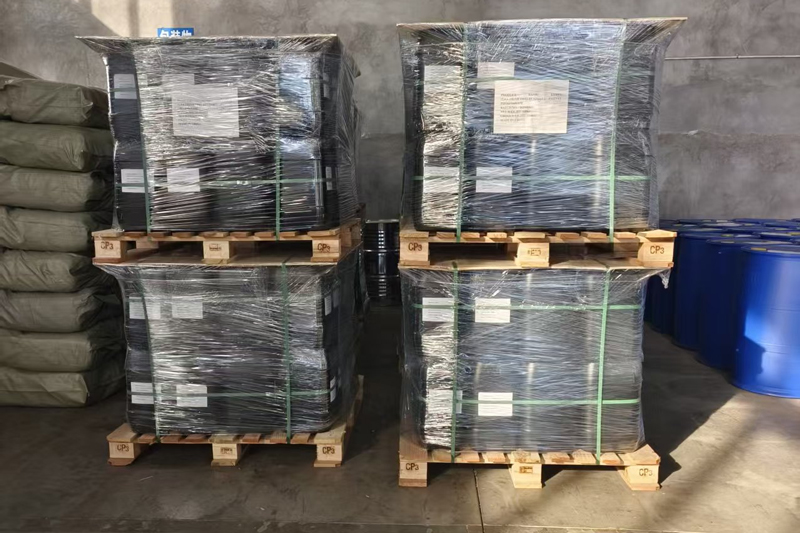
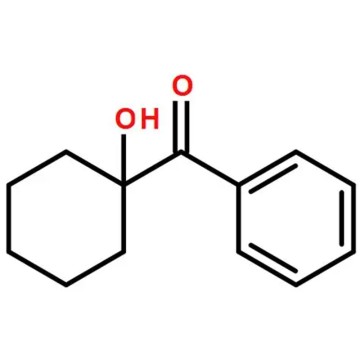
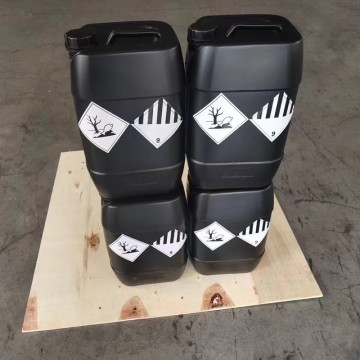
Need customized packaging, specific purity levels, or technical guidance for your UV/LED curing applications in San Francisco? Our experts are ready to assist you.
Contact Our Technical Team