Leave Your Message
Costa Rica has emerged as one of Central America's most dynamic industrial and technology hubs. With a stable political climate, a highly educated workforce, and a government committed to sustainable development, the country has attracted significant foreign direct investment — particularly in electronics manufacturing, renewable energy, and advanced materials. Within this landscape, dielectric boards have become a critical material supporting multiple high-growth sectors.
⚡ Costa Rica is home to major global electronics manufacturers — demand for high-performance dielectric board materials continues to grow at double-digit rates annually.
A dielectric board — also known as an insulating board or dielectric substrate — is a non-conductive material engineered to provide electrical insulation, mechanical support, and thermal stability in electronic and electrical assemblies. Common types include FR4 glass-epoxy laminates, PTFE-based substrates, ceramic-filled composites, and polyimide boards. These materials are fundamental to printed circuit board (PCB) manufacturing, high-voltage switchgear, transformer insulation, and RF/microwave components.
Key performance attributes include dielectric constant (Dk), dissipation factor (Df), thermal conductivity, flame retardancy, and dimensional stability — all of which must meet stringent industry standards such as IPC-4101, UL 94, and IEC 60893.
Costa Rica's Free Trade Zone (Zona Franca) regime has attracted over 300 multinational companies, including major semiconductor and electronics brands. The country's electronics and medical device manufacturing sectors collectively account for more than 60% of national exports. This industrial base creates a robust, sustained demand for dielectric board materials across the following applications:
Several macro trends are shaping the dielectric board market in Costa Rica and the broader Central American region:
Beyond traditional PCB use, Costa Rican industries are adopting dielectric boards in innovative ways. In the geothermal sector — where Costa Rica is a world leader — high-temperature dielectric composites are used in downhole sensor electronics and wellhead control systems. In the country's thriving ecotourism infrastructure, smart building systems and IoT sensor networks rely on compact, multilayer PCBs built on advanced dielectric substrates. Agricultural technology companies in the Central Valley are deploying precision irrigation controllers and soil monitoring sensors, all requiring reliable, humidity-resistant dielectric board materials suited to tropical climates.
The humid tropical environment of Costa Rica presents unique challenges: dielectric boards must demonstrate excellent moisture resistance, low water absorption, and stable electrical properties across a wide temperature range (typically 20°C–85°C with high relative humidity). This makes material selection and sourcing from qualified, certified suppliers critically important for Costa Rican manufacturers.
High-voltage dielectric boards for solar inverters, geothermal control panels, and wind turbine electronics across Costa Rica's 100% renewable grid.
Ultra-low-loss, biocompatible substrates for implantable devices and diagnostic equipment — Costa Rica is a top-5 global medical device exporter.
Low-Dk PTFE and ceramic composite boards for antenna arrays, base stations, and fiber optic network equipment being deployed nationwide.
FR4, high-Tg, and halogen-free dielectric laminates for PCB fabricators and EMS providers in San José's free trade zones.
AEC-Q200 qualified dielectric substrates for Tier-1 automotive suppliers manufacturing control modules and sensor systems in Costa Rica.
Humidity-resistant, tropical-climate-rated dielectric boards for smart irrigation controllers and precision agriculture sensor networks.
North American OEMs are relocating production closer to home. Costa Rica benefits directly, with electronics manufacturing capacity expanding 15–20% annually — driving proportional growth in dielectric board procurement.
Costa Rica's environmental regulations and the global RoHS/REACH framework are accelerating adoption of halogen-free, low-toxicity dielectric laminates — a segment growing at over 12% CAGR in the region.
The 5G rollout and proliferation of high-speed data processing demand dielectric boards with Dk < 3.5 and Df < 0.005 — specialty materials increasingly sourced from certified international suppliers.
Power electronics for EV charging infrastructure and solar energy systems require metal-core and thermally conductive dielectric boards — an emerging category in Costa Rica's energy transition projects.
Top-performing products trusted by Costa Rica's electronics, energy, and manufacturing industries.
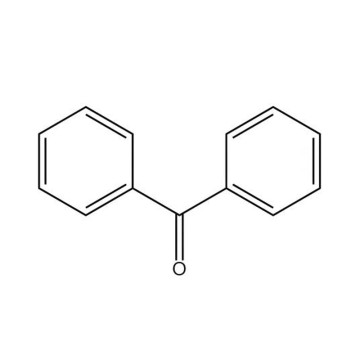
Benzophenone is a classic aromatic ketone photoinitiator — ideal for UV-curable coatings used in Costa Rica's electronics manufacturing.
Read More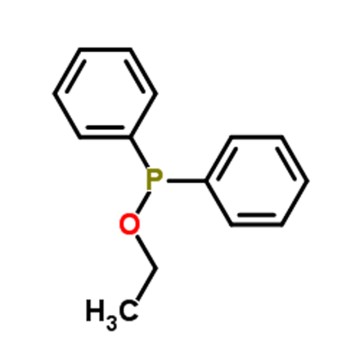
Diphenylethoxyphosphine (EDPP) is a widely used photoinitiator intermediate supporting Costa Rica's advanced materials sector.
Read More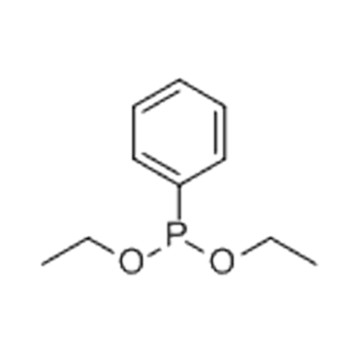
Diethyl phenyl phosphin is an important intermediate for next-generation photoinitiators used in Costa Rica's medical device coatings.
Read More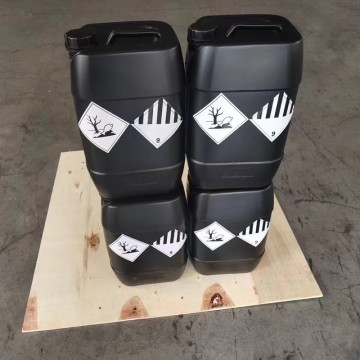
TPO-L is a highly efficient liquid photoinitiator — the preferred choice for 3D printing and UV-curing applications across Central America.
Read More
Benzophenone is a classic aromatic ketone photoinitiator for UV-curable coatings and inks.
Read More
Diphenylethoxyphosphine (EDPP) is a widely used photoinitiator intermediate for advanced applications.
Read More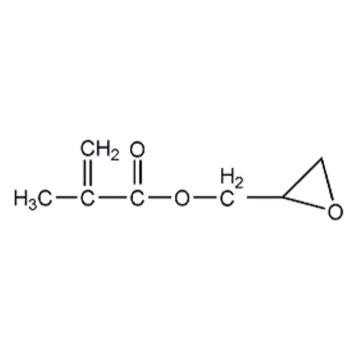
Glycidyl methacrylate (GMA), a reactive monomer used in specialty polymer and coating formulations.
Read More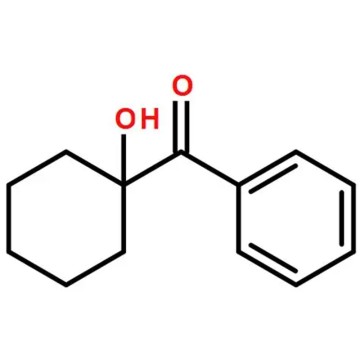
Photoinitiator 184, a widely used Norrish Type I initiator with excellent yellowing resistance for clear coatings.
Read More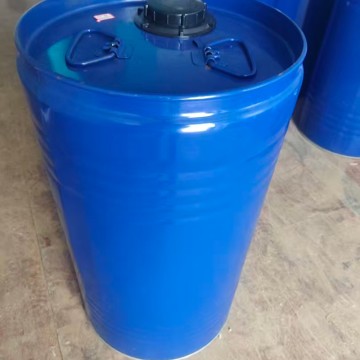
Methyl acryloyl chloride is a very important organic synthesis intermediate for pharmaceutical and specialty chemical applications.
Read More
Acryloyl chloride is a very important organic intermediate for medical-grade and electronic-grade specialty applications.
Read MoreEstablished in 2019, Suzhou Shunyida Chemical Technology Co., Ltd. is headquartered in Mudu Ancient Town, a picturesque water town in Suzhou. With over thirty employees, the company has grown significantly over the past seven years, selling nearly 10,000 tons of photoinitiator intermediates and select photoinitiators, generating sales of approximately 100 million yuan.
It ranks among the top in the industry for tax contributions and product quality. The company maintains a 100% customer satisfaction rate, zero product returns, and 100% after-sales follow-up rate — making SHUNYI the trusted partner for Costa Rica's industrial procurement teams.
View More About Us
Six core strengths that make SHUNYI the preferred dielectric board and photoinitiator supplier for Costa Rica's industrial buyers.
Our company boasts a team with over a decade of expertise in photoinitiator production, maintaining close business ties with industry leaders.
The company maintains warehouses in Shandong and Jiangsu, ensuring timely delivery to Costa Rica and all Central American markets.
The production base's continuous manufacturing capability can meet customers' diverse packaging specifications requirements.
From the production of intermediates, when customers request specific substances in the product, we can promptly address them based on the raw materials and production processes at each stage.
The company has established a dedicated R&D department, equipped with advanced instruments including infrared spectroscopy, Agilent Shimadzu gas-liquid chromatography, and GC-MS.
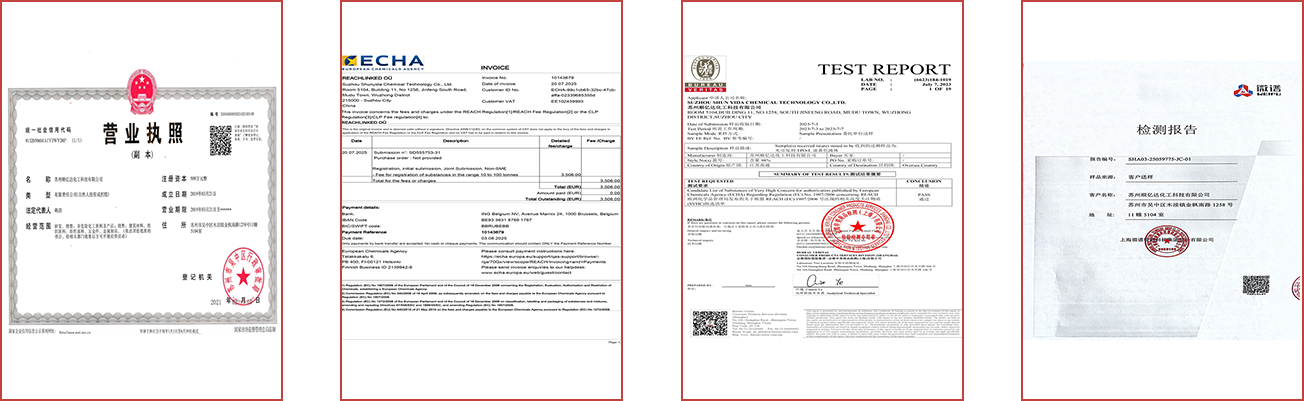
The company successfully obtained REACH certification for TPO-L 10–100-ton equipment in 2025 — ensuring compliance for Costa Rica's export-oriented manufacturers.
The company has a professional R&D team and a professional team that has been engaged in the production of photoinitiators, epoxy resins, acryloyl chlorides and other fine chemical products for many years.

Get competitive quotes, technical datasheets, and expert consultation for your Costa Rica project — delivered within 24 hours.
Get Free Quote Now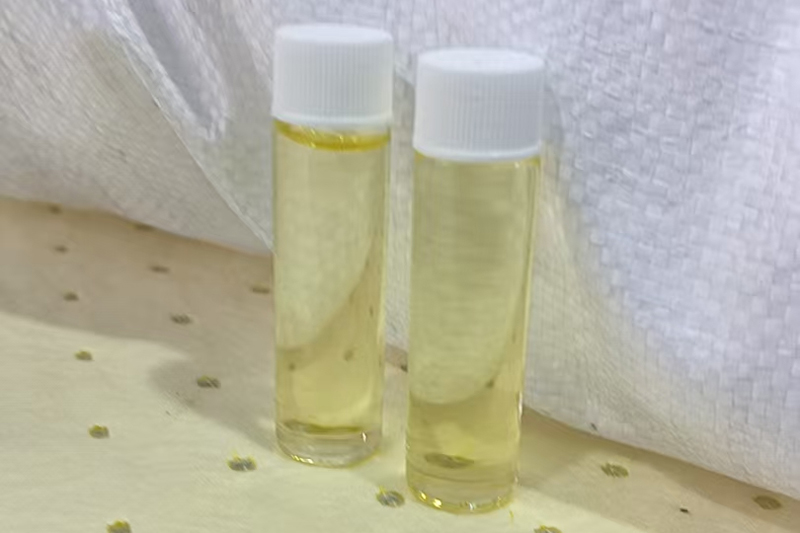
Application prospects of photoinitiator TPO-L in the 3D printing field — expanding opportunities for Costa Rica's advanced manufacturing sector.
Explore More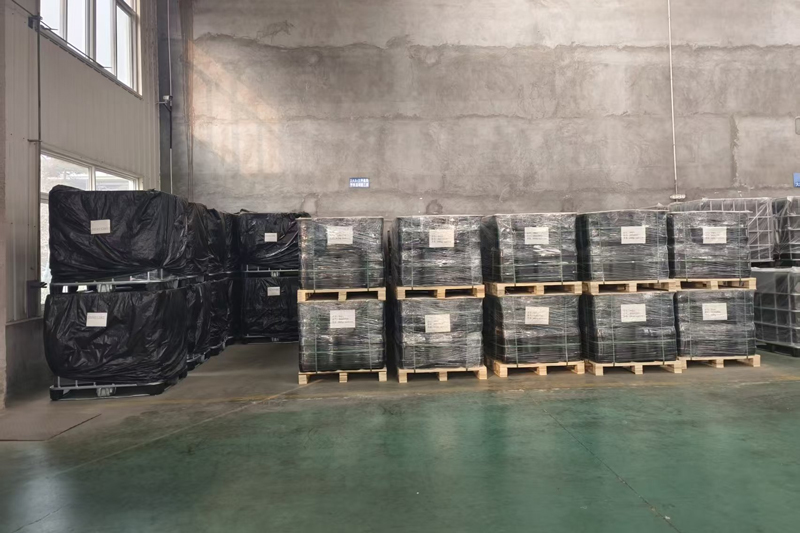
TPO-L photoinitiator supports innovation in the coatings industry — new applications in Costa Rica's electronics and renewable energy sectors.
Explore More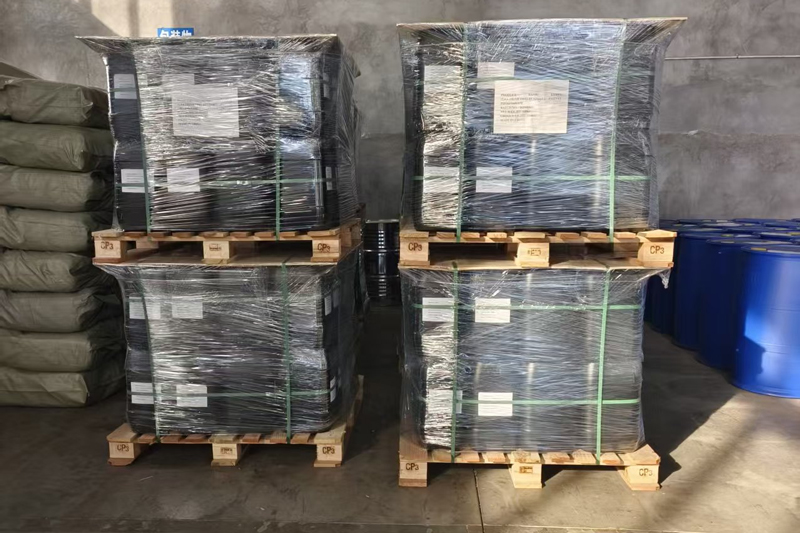
TPO-L photoinitiator successfully replaces TPO, promoting the upgrading of the UV curing industry across Central America.
Explore More
The promotion and application of TPO-L photoinitiator helps Costa Rican enterprises achieve green transformation and sustainability goals.
Explore More
TPO-L replaces TPO, ushering in a new era of photoinitiators — and opening new supply opportunities for Costa Rica's chemical importers.
Explore More
Innovative application of acryloyl chloride and methacryloyl chloride in the field of adhesives — supporting Costa Rica's medical device and electronics industries.
Explore MoreExplore our full range of photoinitiators, intermediates, and specialty chemicals available for supply to Costa Rica and Central America.
Benzophenone is a classic aromatic ketone photoinitiator for UV-curable coatings and inks.
Read More
Diphenylethoxyphosphine (EDPP) is a widely used photoinitiator intermediate for advanced applications.
Read More
Diethyl phenyl phosphin is an important intermediate for next-generation photoinitiator synthesis.
Read More
TPO-L is a highly efficient liquid photoinitiator for 3D printing and UV-curing applications.
Read More
Glycidyl methacrylate (GMA), a reactive monomer for specialty polymer and coating formulations.
Read More
Photoinitiator 184, a widely used Norrish Type I initiator with excellent yellowing resistance for clear coatings.
Read More
Methyl acryloyl chloride is a very important organic synthesis intermediate for pharmaceutical applications.
Read More
Acryloyl chloride is a very important organic intermediate for medical-grade and electronic-grade specialty applications.
Read More