inquiry
Leave Your Message
0%

You know, Pharma Intermediates are like the building blocks of modern drug manufacturing. They play a crucial role in bridging the gap between the initial chemical reactions and the final active pharmaceutical ingredient, the API. In a typical production setup, these materials often go through a series of steps—reactors, filtration systems, and storage—before moving on to the next phase. And honestly, their quality can really impact the purity, yield, stability, and overall consistency of the final product.

Having reliable Pharma Intermediates makes it much easier for manufacturers to handle complex synthesis processes with more confidence. Every batch needs to meet specific requirements—clear documentation, validated analytical methods, and records of where the materials came from. Quality teams tend to check for things like identity, assay results, residual solvents, impurities, and moisture content. Doing these checks isn’t just bureaucracy; it’s part of following good manufacturing practices and helps avoid potential issues when scaling up production. Big names like Lonza, Evonik, and BASF show us how specialized chemical know-how can really support a steady pharmaceutical supply chain. But, honestly, just choosing a supplier based on reputation isn’t enough.

You also have to look at how capable their processes are, how well they communicate technically, and whether they have solid change control and long-term supply commitments. Even tiny variations can cause serious problems—like a small impurity messing with crystallization or making downstream purification trickier. That’s why manufacturers always evaluate intermediates thoroughly before giving them the green light for regular use. Sure, practical experience is valuable, but it should go hand-in-hand with current data and unbiased reviews. It’s not always straightforward, either. Cheaper options might look tempting, but if the quality isn’t consistent, it could mean more testing, delays, and wasting materials in the long run. Understanding why Pharma Intermediates are so important helps drug makers make smarter, safer, and more reliable choices when it comes to manufacturing.
Why Are Pharma Intermediates Vital for Drug Manufacturing?

Pharma Intermediates Defined: The Chemical Bridge to Active Ingredients

Pharma intermediates are the chemical bridge between basic raw materials and active pharmaceutical ingredients. They are not finished medicines. They are controlled building blocks, often produced through several reactions, purification steps, and quality checks. A useful Pharma Intermediates List should show each compound’s name, stage, specification, and intended API connection.

The bridge must be strong. Small changes in temperature, solvent, or mixing time can alter impurity profiles. Those impurities may later become difficult to remove. The FDA’s 2019 Drug Shortages report found that 62% of analyzed shortages involved manufacturing or product-quality problems. This finding shows why intermediate control matters before final formulation. Batch records, validated methods, and traceable suppliers reduce uncertainty. They do not remove it.

In practice, chemists inspect an intermediate as carefully as a finished API. A pale powder may still contain residual solvents or unexpected by-products. Analytical results need context, not just acceptable numbers.

The International Council for Harmonisation’s Q7 guidance treats control of starting materials and intermediates as part of good manufacturing practice. That principle is practical.

Yet, an approved specification can still miss a weak process signal. Teams sometimes trust clean certificates too quickly. More frequent trend reviews, realistic stress testing, and open deviation investigations can expose problems earlier. The chemical bridge deserves continuous attention.

Reaction Stages Explained: How Intermediates Become API-Grade Molecules

Pharma intermediates are the working steps between raw materials and an active pharmaceutical ingredient (API). In Intermediate Pharma production, each molecule moves through controlled reaction stages. A chemist may begin with a protected compound, then add a functional group through coupling, oxidation, reduction, or hydrolysis. Temperature, mixing speed, solvent quality, and reaction time can change the result. Small errors matter.

After each reaction, technicians test the mixture using chromatography, spectroscopy, or moisture analysis. These checks reveal unreacted materials, side products, and unwanted isomers. The intermediate is then isolated through filtration, extraction, crystallization, or drying. A clean appearance proves very little. Reliable data matters more. Manufacturing teams compare results with approved specifications and investigate unusual peaks before continuing.

The final stages often remove protecting groups and refine the molecular structure needed for API performance. Purification may require several controlled washes or a carefully adjusted crystallization temperature. Operators record yields, impurity levels, and equipment conditions throughout the batch. This evidence supports traceability and consistent quality. Yet no process is flawless. A strong development team reviews failed trials, questions assumptions, and improves the reaction design instead of hiding variability. Even a small change in solvent or stirring pattern can affect the intermediate’s purity, stability, and suitability for the next reaction.

ICH Q7 Controls: Testing Identity, Purity, and Impurities in Intermediates

Pharma intermediates sit between chemical synthesis and the final active pharmaceutical ingredient. Their quality can shape every later manufacturing step. ICH Q7 provides a practical GMP framework for controlling these materials. Each batch should have a clear identity test, not merely a supplier label or container code. Analysts may use suitable techniques, such as chromatography or spectroscopy, to confirm the expected material. Sampling must represent the entire batch, including different containers when risk requires it. Small sampling errors can create large decisions.

Purity testing measures the main component against approved specifications. Impurity testing examines known, unknown, and process-related impurities. A reliable control strategy links impurity limits to process knowledge, toxicological evaluation, and product risk. Validated analytical methods should demonstrate suitable specificity, accuracy, precision, and detection capability. Records should show who tested the sample, which method was used, and how results were reviewed. Clear data matters.

In practice, no control system is flawless. A clean chromatogram does not prove every risk has disappeared. Analysts can miss an impurity when methods lack sensitivity or separation. That uncomfortable gap deserves investigation. Deviations, atypical results, and method changes should receive documented assessment. Supplier qualification also needs more than paperwork; periodic review, traceability, and communication can reveal hidden variability. Good manufacturing judgment often begins with asking whether the test truly measures the risk.

FDA Data: 80% of APIs Used in the U.S. Come from Overseas

Why Are Pharma Intermediates Vital for Drug Manufacturing?

FDA data indicates that about 80% of active pharmaceutical ingredients used in the United States come from overseas. This figure shows how strongly American drug production depends on international supply chains. APIs do not appear in a factory overnight. They begin with carefully controlled intermediates, which are transformed through multiple chemical and purification steps.

A small intermediate can determine the quality of an entire batch. Its identity, purity, moisture level, and impurity profile must be documented and tested. In practice, manufacturing teams review laboratory records, supplier qualifications, and transport conditions before accepting these materials. A delayed shipment can interrupt production. A contaminated material can create costly investigations.

Supply chain visibility matters.

Overseas API dependence makes intermediate sourcing even more important. Manufacturers need reliable communication about production changes, testing methods, storage temperatures, and shipping routes. A supplier’s certificate is useful, but it should not replace independent verification. This is where real manufacturing experience often changes the plan; paper compliance may look complete while practical risks remain.

The 80% figure also needs careful interpretation. It may describe API sources, not every raw material or finished medicine, and reporting methods can vary. Still, the dependence is difficult to ignore. Better forecasting, qualified backup suppliers, and stronger traceability can reduce pressure when international disruptions affect essential materials. Some companies may still underestimate the time needed to replace an intermediate safely.

Why Are Pharma Intermediates Vital for Drug Manufacturing? - FDA Data: 80% of APIs Used in the U.S. Come from Overseas

Data Dimension Verified Data or Definition Why It Matters for Pharma Intermediates Reference
Overseas API Dependence Approximately 80% of active pharmaceutical ingredients used in the United States are sourced from overseas, according to an FDA estimate. International dependence makes the availability, quality, and traceability of upstream intermediates important to domestic drug supply. U.S. FDA, Drug Shortages Task Force Report, 2019
U.S. Share of API Facilities Approximately 28% of registered API manufacturing facilities were located in the United States in the FDA’s 2019 analysis. A limited domestic manufacturing base increases the importance of resilient intermediate sourcing and qualified backup suppliers. U.S. FDA, Drug Shortages Task Force Report, 2019
European Share of API Facilities Approximately 28% of registered API manufacturing facilities were located in the European Union in the same FDA analysis. Geographic concentration means that disruptions affecting regional logistics, utilities, or regulation can affect intermediate availability. U.S. FDA, Drug Shortages Task Force Report, 2019
China’s Share of API Facilities Approximately 13% of registered API manufacturing facilities were located in China in the FDA’s 2019 analysis. Intermediate supply chains may require additional assessment of geopolitical, transportation, inspection, and continuity risks. U.S. FDA, Drug Shortages Task Force Report, 2019
India’s Share of API Facilities Approximately 18% of registered API manufacturing facilities were located in India in the FDA’s 2019 analysis. The figure highlights the importance of supplier qualification, batch consistency, and reliable cross-border logistics for intermediates. U.S. FDA, Drug Shortages Task Force Report, 2019
Other Locations The remaining approximately 13% consisted of registered API facilities in other locations. Percentages are rounded and refer to facility counts, not production volume or sales value. Facility-count data should be interpreted together with capacity, manufacturing complexity, and the number of qualified sources for each intermediate. Calculated from the rounded FDA geographic distribution, 2019
Definition of an Intermediate Under ICH Q7, an intermediate is a material produced during API processing that undergoes further molecular change or purification before becoming the API. Intermediates connect raw materials to the final API and determine whether later manufacturing steps can proceed consistently. ICH Q7, Good Manufacturing Practice Guide for Active Pharmaceutical Ingredients
Quality Attributes Typical controls include identity, assay, purity, impurity profile, residual solvents, water content, and physical characteristics where relevant. Uncontrolled impurities in an intermediate can carry forward, complicate purification, and affect the safety, efficacy, or consistency of the final API. ICH Q7; applicable pharmacopoeial and regulatory requirements
Traceability Good manufacturing practice requires documented control of materials, production steps, testing, deviations, packaging, storage, and distribution. Complete records allow manufacturers to investigate deviations, identify affected batches, and support regulatory inspections or recalls. ICH Q7, Sections 6–11
Supply-Chain Resilience Resilience measures include risk-based supplier qualification, dual sourcing where feasible, safety-stock evaluation, and business-continuity planning. Because intermediates are upstream of the API, a shortage or quality failure at this stage can delay the entire drug manufacturing process. U.S. FDA, Drug Shortages Task Force Report, 2019; ICH Q7

Note: Geographic percentages are rounded estimates of API manufacturing facility locations cited in FDA materials. They do not represent API production volume, market share, or the percentage of individual intermediate shipments.

WHO Estimate: 1 in 10 Medicines in LMICs Is Substandard or Falsified

Why Are Pharma Intermediates Vital for Drug Manufacturing?

WHO estimates that one in ten medicines in low- and middle-income countries is substandard or falsified. This warning highlights a fragile point in global medicine supply. Quality problems may begin long before tablets reach a clinic. Api Intermediates help build the active pharmaceutical ingredient, so their purity affects later processing, stability, and patient safety. A trace impurity can travel through several production stages. That risk is easy to underestimate.

Reliable manufacturers test each intermediate against clear specifications. They check identity, assay, moisture, residual solvents, and impurity profiles. They also record supplier details, batch numbers, and storage conditions. These controls support traceability when a result looks unusual. Qualified laboratories and validated methods add confidence. Still, documentation alone cannot prove quality. No control system is perfect.

Tips: Ask for a complete certificate of analysis, but do not stop there. Review test methods, sampling plans, and change-control records. Confirm that storage conditions match the material’s stability needs. Independent testing can expose gaps, especially when results seem unusually consistent. Human review matters. A rushed inspection may miss a weak seal, a mislabeled drum, or an unexplained retest. These small details deserve attention, because safe medicine manufacturing depends on more than a finished product.

Process Economics: How Yield and Waste Shape Intermediate Costs

Pharma intermediates are vital because they connect raw materials with the active ingredient. Their economics often decide whether a manufacturing route is practical. A reaction yielding 92% may appear efficient. However, a 65% yield can sharply increase material consumption, labor, and equipment time. Small losses compound across multiple stages. This is where process economics becomes measurable.

Yield is only one part of intermediate cost. A high assay does not always mean a low-cost batch. Purification may require extra solvent, filtration, testing, and drying. Waste also includes rejected material, unused reagents, contaminated water, and energy used during reprocessing.

Purity costs money. In plant-scale work, a few additional minutes of mixing or filtration can affect the entire production schedule.

A useful assessment follows the full mass balance, not just the reaction yield. Process teams compare input quantities, recovery rates, cycle times, and waste-treatment needs. They also examine batch records for recurring deviations. The cheapest route on paper may fail when raw-material variability increases rework. Yet models are never perfect. A realistic costing exercise should test poor-yield scenarios, equipment limits, and seasonal utility changes. Sometimes a slightly lower yield is acceptable if it reduces hazardous waste and simplifies purification. That trade-off needs evidence, not optimism.

CDMO Strategy: Why Outsourcing Expands Intermediate Capacity and Flexibility

Drug Intermediates sit between raw materials and the final active ingredient. Their quality influences yield, impurity profiles, and later formulation performance. In practice, intermediate production demands controlled reactions, reliable analytics, and disciplined documentation. A single unexpected peak can delay an entire batch. That risk is real.

For many manufacturers, outsourcing to a capable CDMO expands capacity without adding another permanent plant. External teams can provide reactors, containment systems, process chemists, and validated testing resources. This access helps companies move from laboratory experiments to pilot-scale campaigns with fewer internal bottlenecks. Capacity can also flex when clinical demand changes or a commercial forecast proves too optimistic. Plans change.

A strong CDMO strategy depends on technical transfer, not simple production handoff. Both teams should define critical process parameters, sampling points, acceptance criteria, and investigation routes before the first campaign. Regular data reviews reveal whether a route is robust or merely lucky at small scale. Outsourcing still brings challenges, including communication gaps, scheduling conflicts, and dependence on external expertise. Those weaknesses deserve attention. When governance is practical and transparent, intermediate capacity becomes a flexible extension of manufacturing rather than a hidden constraint.

Diphenylphosphinic Acid Diethyl Ester: China Supplier Guide for Photoinitiator Intermediates

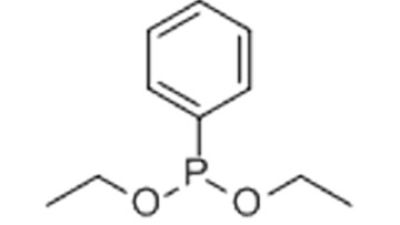
China has become an important sourcing base for photoinitiator intermediates, supported by integrated phosphorus chemistry, expanding production capacity, and efficient export logistics. Diethyl phenyl phosphine is a key intermediate in organic phosphine synthesis. Its reactive P–H bond enables further transformations into phosphorus-containing functional molecules used in advanced materials and photoinitiator-related formulations. The global photoinitiators market is projected to grow steadily through the decade, with several industry reports estimating a compound annual growth rate of approximately 5%–7%, driven by UV-curable coatings, inks, adhesives, and electronics manufacturing. This trend is increasing demand for stable, high-purity upstream intermediates.

When evaluating a China supplier, buyers should review assay, moisture, color, residual solvents, phosphorus-related impurities, packaging integrity, and batch-to-batch consistency. Reliable manufacturers typically provide certificates of analysis, technical specifications, sample verification, and documented quality-control procedures. Factory-direct sourcing can also improve lead-time management and support customized packaging for laboratory, pilot-scale, or commercial procurement. Produced in a modern facility, high-purity diethyl phenyl phosphine offers a consistent foundation for organic phosphine synthesis and related photoinitiator-intermediate development. Supplier qualification should additionally consider production continuity, export documentation, safe handling guidance, and the ability to maintain agreed specifications across repeat orders.

FAQS

What are pharmaceutical intermediates?

They are compounds made between raw materials and an active pharmaceutical ingredient. Each stage changes the molecule. They are not final medicines.

Which reactions can change an intermediate?

Common steps include coupling, oxidation, reduction, and hydrolysis. A protected compound may receive a new functional group. Solvent quality, temperature, mixing, and time affect the result. Small errors matter.

How is an intermediate tested after a reaction?

Technicians may use chromatography, spectroscopy, and moisture analysis. These tests identify leftover materials, side products, and unwanted isomers. A clear liquid proves little. Data carries more weight.

How are intermediates isolated and purified?

Teams may use filtration, extraction, crystallization, or drying. Several controlled washes may be needed. Crystallization temperature must be adjusted carefully. Purity can change during drying.

What happens during the final reaction stages?

Operators may remove protecting groups and refine the molecular structure. The result must meet approved specifications for purity and stability. The next reaction still matters.

What records support batch traceability?

Operators record yields, impurity levels, equipment conditions, sampling results, and unusual observations. These details connect process conditions with batch outcomes. Missing details create doubt later.

Why can outsourcing expand intermediate manufacturing capacity?

Outsourcing can provide reactors, containment systems, process chemists, and testing resources. It may support pilot-scale work without building another permanent plant. Demand can change quickly. Flexibility is not automatic.

What should teams agree before technical transfer?

Both teams should define critical process parameters, sampling points, acceptance criteria, and investigation routes. They should review data before the first campaign. A handoff alone is insufficient.

What risks remain when using external manufacturing?

Communication gaps, scheduling conflicts, and outside dependence can delay a batch. Regular data reviews reveal whether a process is robust or merely lucky. Not every problem has a neat fix. Clear governance reduces surprises.

Conclusion

Pharma Intermediates are the essential chemical building blocks that connect raw materials with active pharmaceutical ingredients (APIs). During multi-step synthesis, these compounds are transformed through controlled reactions until they reach API-grade quality. Each stage requires careful management of reaction conditions, yield, purification, and waste because small process differences can affect product consistency, manufacturing cost, and supply reliability. Under ICH Q7 principles, intermediates must be evaluated for identity, purity, strength, and potential impurities to support safe and repeatable production.

Their importance is also linked to global supply resilience. With approximately 80% of APIs used in the United States sourced from overseas and an estimated one in ten medicines in low- and middle-income countries considered substandard or falsified, strong quality oversight is critical. Outsourcing selected production to capable contract development and manufacturing organizations can expand capacity, provide flexible technologies, and reduce pressure on internal facilities. By combining robust controls with efficient process economics, manufacturers can improve access to reliable, high-quality medicines.
Ethan

Ethan

Ethan is a dedicated marketing professional with extensive expertise in the fine chemicals industry. With a strong background in photoinitiators, epoxy resins, and acryloyl chlorides, he plays a pivotal role at Suzhou Shunyida Chemical Technology Co., Ltd. Leveraging his in-depth knowledge, Ethan......
Previous What Is an Electrical PCB Board and How Does It Work?