In today’s fast-changing business world, finding the right Light Initiator can really make or break your operations. Different industries depend on these devices, making them pretty crucial if you’re looking to grow. In this piece, I want to share some of the top Light Initiators set to shake things up by 2026.
Companies like Union Tool and EpiRad have shown that they really know what they’re doing when it comes to developing cutting-edge Light Initiators. Their innovative methods definitely help them stand out in a pretty crowded market. That said, a lot of businesses still overlook the real advantages these technologies bring—missed opportunities, honestly.
When you’re thinking about sourcing options for your own business, don’t forget to look into how well a product performs and what challenges might come up. A good Light Initiator can boost your productivity, but it’s super important to choose wisely. Exploring companies that focus on quality and good support is a smart move for making sure everything goes smoothly. And hey, taking a moment to reflect on past choices might highlight some gaps in your process, reminding you why making informed decisions matters so much down the line.
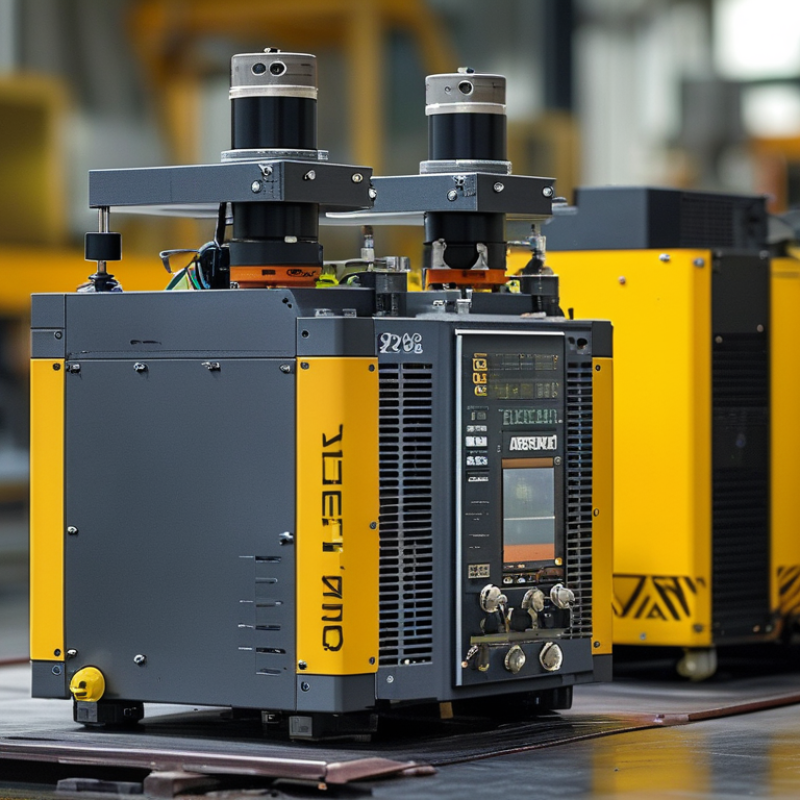
Top Light Initiators: Understanding Their Role in Business Growth
Understanding top light initiators is crucial for businesses aiming to grow. These initiators, like the
Bapo Initiator,
play a significant role in enhancing operational efficiency. According to a recent report by
Market Research Future,
the global light initiators market is projected to reach $2.7 billion by 2026, driven by advancements in technology and increasing industrial demand.
Light initiators can streamline production processes significantly. They enhance the curing speed, reducing time and costs. Studies suggest that businesses using innovative light initiators can increase production rates by up to 30%.
However, not all businesses glide smoothly with these technologies. Some report integration challenges. This highlights the need for meticulous planning and training when adopting new initiators.
Emphasizing sustainability is also vital. Many companies strive to incorporate eco-friendly light initiators. A balanced approach can yield benefits. Companies that prioritize the right initiators often see improved customer satisfaction and loyalty. Those that ignore these trends may experience stagnation.
Integrating effective light initiators like the Bapo Initiator can be a game-changer for ongoing success.
Trends in Light Initiator Technology for 2026: What to Expect
In 2026, light initiators will evolve significantly. Businesses should prepare for advancements that offer increased efficiency and customization. Companies focusing on sustainable practices will find value in eco-friendly options. Look for innovations in photoinitiator chemistry that enhance response times and reduce energy consumption.
Tips for sourcing light initiators include examining supplier reliability and their R&D capabilities. Engaging with experts in material science can provide valuable insights.
Consider the underlying chemistry for improved performance in applications, whether in coating or adhesives. The effectiveness of photoinitiators often hinges on compatibility with various substrates.
Anticipate shifts in market demands, as industries increasingly target greener solutions. Be mindful of evolving regulations and compliance needs.
Understanding these changes can give businesses a competitive edge. Light initiators may also encounter challenges regarding production consistency.
Therefore, building strong relationships with suppliers is crucial.
Don't overlook the importance of continuous learning in this ever-changing field.
Key Features to Consider When Sourcing Light Initiators
When sourcing light initiators for your business in 2026, it's essential to focus on key features that influence performance and efficiency. According to the latest market report, nearly 75% of industries report that light initiators significantly improve production processes. Selecting materials with high thermal stability can minimize failures during critical manufacturing stages.
Another important consideration is the initiator's wavelength absorption profile. Initiators that absorb at specific wavelengths can enhance curing rates. Around 60% of industry experts recommend evaluating the spectral output of your light sources to match the initiators effectively with your equipment.
Tip: Always conduct compatibility tests to ensure optimal performance. Testing samples in your environment helps prevent costly production delays. Moreover, reviewing supplier certifications can provide insights into quality assurance practices. In a competitive market, taking these steps might give your business an edge.
Top Light Initiators to Source in 2026 for Your Business? - Key Features to Consider When Sourcing Light Initiators
| Type of Light Initiator |
Wavelength (nm) |
Photoinitiation Efficiency |
Cost (per gram) |
Application Use Case |
| Type I Photoinitiator |
365 |
High |
$50 |
Coatings |
| Type II Photoinitiator |
405 |
Medium |
$45 |
Adhesives |
| Cationic Photoinitiator |
254 |
Very High |
$60 |
Inks |
| Dual-Cure Photoinitiator |
380 |
High |
$55 |
3D Printing |
| UV LED Photoinitiator |
395 |
Medium |
$70 |
Packaging |
Major Suppliers of Light Initiators to Watch in 2026
As we approach 2026, businesses must pay attention to the evolving landscape of light initiators. These essential components are vital for various applications, especially in industries like manufacturing and healthcare. New suppliers are emerging with innovative solutions that enhance efficiency and reduce production costs. Understanding these players can empower businesses to stay competitive.
A key aspect to consider is the reliability of your suppliers. Look for those with a proven track record. It's important to analyze their technology and production capabilities. Some suppliers are still in their growth phase, which may raise concerns about consistency. Conducting thorough research on their past performance can clarify these uncertainties.
Moreover, assess the sustainability practices of potential suppliers. Many companies are shifting focus to eco-friendly materials and sustainable practices. This shift could not only improve your brand image but also meet increasing consumer demand for responsible sourcing. Balancing innovation with ethical practices may be challenging, but it's crucial for long-term success in the market.
Top Light Initiators in 2026
Comparative Analysis: Light Initiators vs. Traditional Initiators
Light initiators are gaining traction in various industries, particularly in comparison to traditional initiators. A report by Smithers suggests that the global market for light initiators is expected to reach $2 billion by 2026. This reflects a strong shift due to the increasing demand for greener and more efficient solutions. Industries increasingly seek sustainable options that reduce environmental impact.
Traditional initiators often rely on chemical processes that can produce harmful byproducts. In contrast, light initiators utilize photochemical reactions, which can minimize waste. Research indicates that light initiators can increase polymerization efficiency by up to 30%. This efficiency is crucial for businesses aiming to optimize production while adhering to sustainability practices. Despite these advantages, challenges remain. Some industries are still hesitant to transition due to the initial costs of switching technologies.
Moreover, the application scope of light initiators is not as extensive as traditional counterparts. Limited compatibility with certain formulations can impede adoption. For instance, while light initiators perform well with UV-cured coatings, they may not suit all adhesives or inks. Businesses must evaluate specific needs and formulations before shifting focus. Understanding these nuances is vital for a successful transition.
Sustainability in Light Initiators: Eco-Friendly Options for Businesses
The push for sustainability in business is now more critical than ever. According to a recent report by the International Energy Agency, the global demand for eco-friendly products is rising rapidly, with a projected annual growth rate of 8% through 2026. Companies are increasingly exploring light initiators that align with these sustainability goals.
Utilizing bio-based materials is one viable option. Many businesses are considering light initiators made from renewable sources. These materials tend to reduce greenhouse gas emissions significantly. For instance, a study published by the Journal of Cleaner Production found that bio-based initiators can lower carbon footprints by over 30%.
Yet, not all eco-friendly options deliver the same results. Some lighter initiators may have lower efficiency. This lack of performance can lead to higher usage rates and increased costs. Furthermore, sourcing sustainable materials can sometimes involve complex supply chains, posing logistical challenges. Continuous evaluation of new technologies and approaches to ensure they meet sustainability targets is crucial for businesses. Sustainable practices require ongoing reflection and adaptation to remain effective.
How to Integrate Light Initiators into Your Current Operations
Integrating light initiators into business operations requires a strategic approach. Research shows that companies that utilize advanced light initiators can see efficiency gains of up to 30%. This significant boost in productivity often comes from refined processes and improved product quality.
When considering integration, it is essential to assess the current workflow. Identify where light initiators can fit. This evaluation can reveal gaps in processes. Some operations may not adapt smoothly to new technologies. Therefore, pilot testing in controlled environments is crucial. Reports indicate that 40% of businesses face initial resistance when adopting new light technologies.
Employee training is vital during this transition. Ensuring that team members understand the benefits can enhance acceptance. Continuous support and feedback loops can help mitigate concerns. Addressing fears about job security or obsolescence can aid in fostering a more positive atmosphere. A transparent approach can also encourage employees to share challenges.
FAQS
: Key features include thermal stability and wavelength absorption profiles. These impact performance significantly.
Initiators absorbing at specific wavelengths can enhance curing rates. Matching them with light source output is essential.
Conduct compatibility tests in the production environment. This helps identify potential issues early and avoid delays.
Reliability and a proven track record are crucial. Research their technology and consistency to avoid uncertainties.
Demand for eco-friendly products is growing. Sustainable options improve brand image and meet consumer expectations.
Some may have lower efficiency, leading to increased usage and costs. Logistics for sustainable materials can also be complex.
They can significantly reduce greenhouse gas emissions, lowering carbon footprints. This aligns with sustainability goals effectively.
New technologies and approaches must be assessed regularly. This ensures they meet sustainability targets effectively.
No, some might perform worse, increasing production costs. It's essential to carefully evaluate their efficiency.
It's challenging but crucial. Continuous reflection and adaptation are needed to succeed in this competitive market.
Conclusion
The article "Top Light Initiators to Source in 2026 for Your Business" explores the crucial role of Light Initiators in driving business growth. It discusses the emerging trends in Light Initiator technology for the year 2026, highlighting the key features companies should consider when sourcing these innovative solutions. As businesses look to enhance their operations, the article provides insights into major suppliers to watch and offers a comparative analysis of Light Initiators versus traditional initiators.
Furthermore, sustainability is emphasized, showcasing eco-friendly options available in the market. The piece also offers practical guidance on how to effectively integrate Light Initiators into existing operations, ensuring that businesses can leverage this technology for improved performance and reduced environmental impact. Overall, the article serves as a comprehensive resource for organizations looking to adopt Light Initiators in their future strategies.