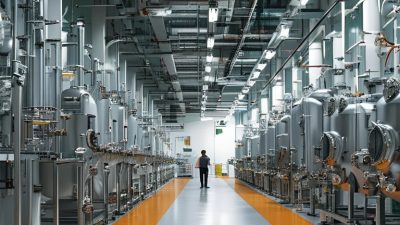
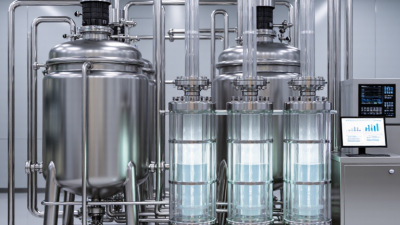
So, drug intermediates – they're basically the middlemen of the pharma world, connecting raw materials to the active ingredients that actually do the work. And honestly, their quality can make or break things. If it's good, you're set, but if not, you'll see issues with yield, impurity profiles, production timelines, and even patient safety – no pressure, right? And with the global pharma market continuing to expand, this whole thing is getting more important by the day. So, IQVIA's latest report on global medicine spending—the 2024 edition—says we're looking at nearly $2.3 trillion being spent on meds by 2028. That's a huge number. And guess what? With that kind of growth, it's not just about finding cheap manufacturers anymore. What really matters is having reliable intermediate suppliers who can keep up. Like, you know, the middlemen who make the whole supply chain work smoothly.
Look, when you're picking a supplier, it's way more than just checking a catalogue. You gotta really look into whether they're aligned with GMP, check their batch records, their analytical methods, how they handle change control, and make sure you can trace everything back to the starting materials. And when you do a practical audit, it's not just a formality – you might want to review a reactor log, test a retained sample, and even verify the temperature records during transport. Oh, and the U.S. – well, they have their own set of rules that you can't ignore. You know, Janet Woodcock from the FDA once said that quality can't be tested into products – it's got to be built in from the start. That principle rings so true when you're sourcing drug intermediates. You can't just cross your fingers and hope quality shows up later; it has to be there from the very beginning, even before that first synthesis step. Honestly, it's like the foundation of a house – you wouldn't pour a shaky base and then try to fix it afterwards.
You know, I've been reading through some reports from Deloitte and the International Federation of Pharmaceutical Manufacturers and Associations, and they really highlight how important supply-chain resilience, regional capacity, and manufacturing transparency are. It makes sense when you think about it—if one key intermediate supports several API production sites, any hiccup can cause a ripple effect. But the catch is, the market data out there isn't always consistent. Different suppliers, consultants, and research firms all seem to use their own definitions, which can get a bit messy. That's something to keep in mind, though—it doesn't make the data useless, but it does mean we should be a little cautious when relying on it. Here's the thing about building a credible sourcing strategy: you can't just rely on one source. You need a mix—published industry data, plus hands-on technical due diligence, plus sitting down with suppliers, and getting an independent lab to verify things. And it's not always the biggest company that's the best fit. The real winner? The one who can clearly explain their process, document every critical control, and be honest when a batch needs looking into.
What Are Drug Intermediates?
A drug intermediate is a compound formed during the manufacture of an active pharmaceutical ingredient (API). It sits between the starting material and the finished API. Some intermediates are isolated as powders or liquids. Others remain inside the same vessel and move directly into the next reaction. The ICH Q7 guideline treats intermediates as materials that require defined controls, testing, and documented handling. The term is useful, but imperfect. A substance called an intermediate at one facility may be classified as a starting material at another.
Sourcing requires more than comparing quotations. Manufacturers review identity, purity, impurity profiles, reaction records, packaging, transport conditions, and change-control practices. Small differences can affect crystallization, yield, or the final impurity pattern. The FDA’s 2023 Drug Shortages Report recorded 55 new shortages and noted that 236 shortages were prevented. That finding shows why dependable intermediate supply matters, even when the intermediate itself is not the finished medicine. Industry data also supports this concern: the 2024 CPHI Annual Report identified supply-chain resilience as a major pharmaceutical manufacturing priority. Still, resilience is not simply keeping two suppliers on a spreadsheet. Each source needs technical qualification, audit evidence, analytical comparison, and realistic lead-time testing. A polished supplier file can hide weak process knowledge. That deserves scrutiny.
What Are Drug Intermediates and How Are They Sourced?
Drug intermediates are chemical compounds produced during the synthesis of an active pharmaceutical ingredient (API). They are commonly sourced from qualified chemical manufacturers or produced internally, with supplier qualification, specifications, analytical testing, traceability, and change control forming the main quality framework.
The chart counts the core sourcing and quality-control activities typically applied at each stage of the intermediate supply chain. These activities are consistent with pharmaceutical quality-system principles, including supplier qualification, material testing, batch documentation, storage controls, and change management.
How Drug Intermediates Support Pharmaceutical Manufacturing
Drug intermediates are processed compounds used to create an active pharmaceutical ingredient. They connect laboratory chemistry with reliable manufacturing. In production, Bulk Drug Intermediates help control reaction stages, material quality, and batch consistency. Suppliers may produce them through chemical synthesis, fermentation, or other validated processes. Each route requires documented controls, trained personnel, and suitable equipment. A clear specification usually covers identity, purity, moisture, residual solvents, and impurity limits. Small details matter. A slightly different drying time can affect later processing.
Tips: Evaluate suppliers through technical audits, quality agreements, and sample testing. Request traceability records for raw materials, equipment cleaning, analytical methods, and batch release. Confirm that storage conditions protect the intermediate from heat, light, and moisture. A practical review should include production capacity and contingency planning. Never rely on a certificate alone. Independent verification can reveal gaps before they interrupt manufacturing.
Drug intermediates support pharmaceutical manufacturing by making complex production more manageable. They allow manufacturers to divide a long process into controlled, measurable steps. This can improve scheduling and reduce pressure on final-stage operations. Experienced teams also compare intermediate performance across several batches. Consistent results provide stronger evidence than one successful test. Still, no sourcing plan is flawless. Supplier changes, transport delays, or unexpected impurities may appear without warning. Careful risk reviews, transparent communication, and timely laboratory testing help teams respond with evidence rather than assumptions. Records tell the story.
Key Types and Stages of Drug Intermediates
Drug intermediates are controlled chemical building blocks used between raw materials and finished active ingredients. A practical Drug Intermediates List usually includes starting-material derivatives, advanced intermediates, chiral intermediates, protected fragments, and salt-forming components. Each type serves a different stage. Early intermediates support transformation and scale-up. Advanced intermediates carry more structural complexity and require tighter impurity control. Chiral intermediates need special attention because unwanted stereoisomers can affect safety and performance.
Sourcing normally follows three routes: internal production, qualified contract manufacturing, or custom synthesis. Suppliers should provide batch records, certificates of analysis, impurity profiles, residual-solvent results, and traceability records. The FDA Drug Shortages Task Force reported that 62% of shortages studied involved manufacturing or product-quality problems. That figure makes intermediate quality a supply issue, not merely a laboratory concern. IQVIA’s 2024 Global Use of Medicines report projects global medicine spending will approach 2.3 trillion dollars by 2028, increasing pressure for reliable capacity and stronger supplier qualification. Physical details matter: a clean drum seal, stable storage temperature, and consistent particle appearance can reveal operational discipline. The map is not always clean. A low price may hide weak documentation or fragile logistics. Qualification should therefore include audits, analytical verification, change-control review, and contingency planning. One imperfect assumption deserves review: a familiar supplier is not automatically a dependable one. Validation must continue after the first successful delivery.
How Drug Intermediates Are Produced
Drug intermediates are the chemical building blocks used before an active pharmaceutical ingredient is completed. Their production usually begins with qualified raw materials, such as protected amino acids, aromatic compounds, or heterocyclic structures. Chemists then use controlled reactions, including coupling, reduction, oxidation, and crystallization.
The process is not elegant at every stage. A reaction may run smoothly in a laboratory flask but behave differently in a 2,000-liter vessel. Heat transfer, mixing, moisture, and impurity formation can change the result. Manufacturers therefore develop a stepwise process with defined temperature ranges, addition rates, sampling points, and impurity limits. The International Council for Harmonisation’s Q7 guidance remains a key reference for active-ingredient manufacturing controls.
Production normally moves through process development, pilot batches, validation, and routine manufacturing. Each batch receives analytical testing for identity, purity, residual solvents, water content, and trace metals. A 2024 report from the IQVIA Institute estimated global biopharmaceutical research and development spending at approximately $129 billion in 2023. That investment increases demand for dependable intermediate supply, especially when clinical programs scale quickly. Sourcing may involve in-house production or audited specialist manufacturers. Supplier qualification should examine technical capability, change-control history, batch records, and continuity planning. One overlooked issue is waste. A process with high yield can still create excessive solvent use or difficult-to-treat residues. Better chemistry is not always cheaper at first, but it may reduce risk later.
Where Drug Intermediates Are Sourced
What Are Drug Intermediates and How Are They Sourced?
Drug intermediates are chemical compounds used to build an active pharmaceutical ingredient. They are not finished medicines. Instead, they pass through controlled reactions, purification, and testing before becoming part of a final drug substance.
Where Drug Intermediates Are Sourced
Manufacturers usually source intermediates from qualified chemical producers, specialized contract manufacturers, or approved internal facilities. The right source depends on chemistry, production scale, purity requirements, and regional supply conditions. Reliable sourcing requires more than comparing prices. Buyers review manufacturing records, impurity profiles, certificates of analysis, batch consistency, and change-control procedures. They also confirm whether the supplier can provide traceable raw materials and stable shipping conditions.
A strong supplier relationship often begins with a technical discussion. Teams may examine reaction routes, particle characteristics, residual solvents, and packaging before placing a commercial order. Site audits can reveal practical details, such as storage temperature control or weak documentation habits. These details matter.
Tips: Request representative samples before approval. Compare several batches, not just one. Check transport risks for heat-sensitive materials. Keep a second qualified source when practical.
Documentation is important, but it is not perfect. A polished certificate cannot replace independent testing or thoughtful risk assessment. Supply interruptions, changing regulations, and unexpected impurity trends can still affect a dependable source. Therefore, procurement and quality teams should review suppliers regularly, especially after process changes or unusual test results. This approach supports consistent manufacturing without treating any single document as absolute proof.
Quality, Safety, and Regulatory Requirements
Drug intermediates sit between raw materials and the active pharmaceutical ingredient. A Drug Substance Intermediate needs controlled identity, purity, and traceability. Sourcing should begin with qualified manufacturers, not the lowest quotation. ICH Q7 requires documented controls for materials, production, testing, and change management. Each container should show its batch number, retest date, storage conditions, and handling precautions. Small labeling errors can create large compliance problems.
A practical audit reviews cleaning records, equipment calibration, deviation reports, and employee training. It also checks whether analytical methods detect likely impurities at relevant limits.
The World Health Organization estimates that one in ten medical products in low- and middle-income countries is substandard or falsified. This figure does not measure intermediates directly, but it highlights supply-chain risk. A certificate of analysis is evidence, not proof. Independent identity testing remains important, especially for the first shipment and after supplier changes.
Regulatory expectations also extend beyond release testing. ICH Q9(R1) emphasizes documented, science-based quality risk management. ICH Q10 supports continued process monitoring and corrective action. Importers may need manufacturing records, impurity profiles, transport data, and change-notification agreements. Temperature excursions should be investigated, not quietly accepted. No audit system is flawless. Teams should record uncertainty and revisit weak assumptions. A supplier with clean paperwork may still require deeper technical review. Reliable sourcing is built through repeated evidence, transparent communication, and disciplined follow-up.
Factors That Influence Sourcing Decisions
What Are Drug Intermediates and How Are They Sourced?
Sourcing Api Intermediates involves more than comparing quoted prices. Procurement teams assess purity, batch consistency, documentation, and manufacturing capacity.
The U.S. FDA’s Drug Shortages Task Force reported in 2019 that 62% of shortages studied involved manufacturing or product-quality problems.
This finding makes supplier qualification a practical risk-control measure, not paperwork.
Lead time matters. A shipment delayed at customs can interrupt a tightly scheduled synthesis line. Teams therefore examine production locations, transport routes, reserve inventory, and the availability of qualified backup sites.
The same FDA report noted that many active pharmaceutical ingredient facilities serving the U.S. market were located overseas, increasing exposure to logistics and geopolitical disruption.
Local supply may cost more. It can still reduce recovery time.
Quality systems often decide the final supplier. Auditors review change-control procedures, impurity profiles, analytical methods, and deviation histories.
The 2024 Global Pharma Study by the International Society for Pharmaceutical Engineering emphasized continued pressure on manufacturing resilience and supply-chain visibility.
Yet data alone can mislead. A supplier with excellent certificates may struggle during a sudden capacity surge.
That weakness deserves testing through technical audits, sample batches, and realistic delivery trials. Procurement decisions should also consider waste, solvent use, worker safety, and transparent environmental records.
Lowest cost is tempting. It is rarely the whole cost.
Diphenylphosphinic Acid Diethyl Ester: China Supplier and Factory Guide for Photoinitiator Intermediates
Diphenylphosphinic Acid Diethyl Ester is an important phosphorus-containing intermediate for manufacturers developing photoinitiator-related materials and other specialty chemicals. When evaluating a China supplier or factory, buyers should consider product identity, purity, batch consistency, technical documentation, packaging, and production capacity. Reliable manufacturing facilities typically apply controlled processing and strict quality inspections to support stable performance in downstream synthesis.
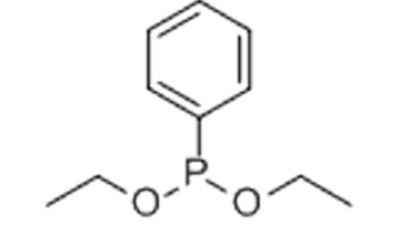
Diethyl phenyl phosphine is a valuable intermediate in organic phosphine chemistry. Its reactive P–H bond enables further transformation into a variety of phosphorus-containing functional molecules, making it useful for research, process development, and industrial chemical production. The material is generally supplied as a colorless to pale yellow liquid and should be handled according to applicable safety procedures, with appropriate storage conditions and professional technical oversight.
A qualified China-based factory can provide consistent specifications, dependable supply, and tailored support for different application requirements. Customers may request analytical data, including purity information and batch testing results, before placing an order. Careful supplier communication also helps confirm the required grade, quantity, lead time, and export documentation for photoinitiator intermediate projects.
FAQS
Drug intermediates are processed compounds used before an active pharmaceutical ingredient is completed. They connect laboratory chemistry with manufacturing. Think of them as controlled building blocks.
They divide complex production into measurable stages. This can improve scheduling, batch consistency, and final-stage control. Small process differences still matter.
Production may use chemical synthesis, fermentation, or other validated methods. Common reactions include coupling, reduction, oxidation, and crystallization. Each step needs defined controls.
A reaction may work smoothly in a flask but behave differently in a large vessel. Mixing, heat transfer, moisture, and addition rates can change results. Scale-up is not always predictable.
Testing usually checks identity, purity, moisture, residual solvents, and trace metals. Impurity limits should be clearly defined. Records provide the evidence.
Review technical capability, audit results, batch records, change-control history, and continuity plans. Request raw-material traceability and cleaning records. Do not rely on one certificate.
Storage should control heat, light, moisture, and contamination. Some materials may need sealed containers or monitored rooms. A slightly damp container can create problems later.
Transport delays, supplier changes, unexpected impurities, and equipment failures may interrupt production. Contingency planning helps, but no plan is flawless. Independent testing can expose weak assumptions.
Conclusion
Drug Intermediates are chemical compounds created during the multi-step process of manufacturing pharmaceutical active ingredients. Although they are not usually the final medicine, they provide essential building blocks that help transform raw materials into consistent, effective, and stable drug substances. These intermediates may be used at different stages, from early molecular construction to final purification and preparation for active ingredient production. Their quality, chemical properties, and suitability for further processing can directly affect manufacturing efficiency and product performance.
Drug Intermediates are produced through controlled chemical processes such as synthesis, separation, purification, and analysis. Pharmaceutical manufacturers may source them internally or from qualified external suppliers, depending on technical capabilities, production capacity, cost, delivery reliability, and supply-chain security. Strict quality systems, documented testing, safe handling procedures, traceability, and compliance with applicable pharmaceutical regulations are essential throughout sourcing and production. Careful supplier evaluation and risk management help ensure that intermediates meet established specifications and support the safe, reliable, and compliant manufacture of medicines.