In the pharma world, picking the right drug intermediates is a pretty big deal if you want things to go smoothly. Did you see that recent report from MarketsandMarkets? It says the global market for these intermediates is expected to skyrocket, hitting around USD 20 billion by 2028. That just shows how much demand there is for these key ingredients in making new medicines. But here’s the thing: choosing the right intermediates isn’t as simple as it sounds. There are a bunch of factors you gotta consider, and it can get pretty complicated.
Experts usually suggest you look closely at quality, how efficiently the synthesis is done, and whether your supplier can be trusted. Companies like Lonza and WuXi AppTec, for example, are pretty well-known for their top-notch drug intermediates and have built up strong networks to support pharma companies. But, and here’s the catch—if you only focus on saving a few bucks, you might overlook quality, which could lead to delays or setbacks in your product development.
When you’re choosing drug intermediates, it’s really important to work closely with your suppliers. Keeping those lines of communication open can help ensure that the intermediates meet all the regulatory standards and that your project stays on track timeline-wise. Balancing cost and quality isn’t always easy, and you’ll probably need to keep assessing your suppliers to make sure they’re still up to the task. Keeping these factors in mind will really help your company make smart decisions in this ever-changing industry.

Understanding Drug Intermediates: Definition and Importance
Drug intermediates play a crucial role in the pharmaceutical industry. They are essential building blocks in the synthesis of active pharmaceutical ingredients (APIs). Understanding their definition is paramount. These are chemical compounds that serve as precursors in the manufacturing process of drugs.
The importance of drug intermediates cannot be overstated. They affect the efficiency and safety of the final product. Choosing the right intermediates can impact yield and purity. This decision requires a deep knowledge of chemistry and industry standards, but it can be overwhelming. Not all intermediates are equal. Some might offer improved synthesis routes, while others could introduce challenges.
When selecting drug intermediates, consider sourcing options and production methods. A reliable supplier can significantly influence the overall quality. Transparency is key; ensuring that intermediates meet stringent regulations enhances trust. However, even experienced professionals face dilemmas in this area. Balancing cost and quality often involves trade-offs. Ongoing evaluation of each choice will lead to better outcomes in the drug development process.
Identifying Your Specific Pharmaceutical Needs
Identifying your specific pharmaceutical needs is crucial when selecting drug intermediates. Start by assessing the particular compounds required for your project. Understanding the method of synthesis can help narrow down your options. Consider the scale of production as well. Bulk Drug Intermediates may differ significantly from small-scale formulations.
Quality is another essential factor. Ensure that the intermediates meet regulatory standards. This will help avoid potential issues during production. Be mindful of suppliers' certifications. Collaborating with reputable manufacturers can provide peace of mind. Their experience often denotes reliability, yet it is vital to conduct due diligence on their track record.
Lastly, consider the compatibility of intermediates with your existing processes. Minor discrepancies can lead to significant production setbacks. Evaluating factors like solubility and stability is essential to avoid challenges. Continuous reflection on these aspects can improve your decision-making process and ensure a successful outcome in your pharmaceutical projects.
Evaluating Quality Standards in Drug Intermediates
When evaluating drug intermediates, quality standards are crucial. The purity and potency of intermediates directly affect the efficacy of the final product. According to the Pharmaceutical Quality Group, 85% of drug failures are tied to impure intermediates. Therefore, assessing suppliers isn't just a formality; it’s a necessity.
Regulatory bodies impose strict guidelines on manufacturing practices. Assessing compliance with Good Manufacturing Practices (GMP) ensures that intermediates meet high-quality standards. Look for independent certifications and batch records when choosing a supplier. Checking their Drug Intermediates List can reveal valuable insights into their production capabilities and quality assurance processes.
Tips: Compare the supplier's testing methods. Are they using validated techniques? Next, don’t overlook the importance of customer reviews. Feedback from other users can highlight potential issues. Lastly, keep an eye on the supplier’s continuous improvement initiatives. These factors indicate a commitment to maintaining high-quality standards in their drug intermediates.
Assessing Supplier Reputation and Reliability
When choosing drug intermediates, evaluating supplier reputation and reliability becomes essential. A solid reputation often reflects years of consistent quality and adherence to industry standards. Engage with past clients. Their experiences can provide insights into the dependability of the supplier. Trustworthy suppliers typically have robust systems in place for quality assurance.
Look for suppliers that are transparent about their processes. This includes how they produce Drug Substance Intermediates and their testing protocols. Transparency minimizes risks. It allows you to assess whether they meet regulatory requirements. A supplier should also offer certifications that validate their practices. However, not all certifications carry the same weight. Research which ones are essential in your specific field.
Be wary of suppliers that promise too much. Unrealistic claims can often indicate a lack of reliability. Seek suppliers who openly discuss challenges and limitations in their processes. This honesty usually signifies a commitment to integrity and improvement. Your choice of drug intermediates will significantly impact your project outcomes. Ensure your supplier provides the reliability you need to succeed.
Cost-Benefit Analysis of Different Intermediates
When selecting drug intermediates, a cost-benefit analysis is crucial. Understanding the balance between cost and quality can help you make informed decisions. Some lower-cost intermediates may seem appealing but can lead to higher costs later. Hidden expenses often arise during production processes or compliance regulations.
Evaluating the production capacity and reliability of suppliers is essential. A reputable supplier may charge more upfront but can guarantee consistency. This reliability can lead to savings in the long term. On the other hand, cheaper options might result in delays or quality issues. Researching the supplier’s track record is vital.
Consider how the choice of intermediates impacts your overall production process. The right intermediates can streamline manufacturing and improve product quality. Reflecting on past choices can offer valuable lessons. Making choices based purely on price can lead to regret down the line. A well-rounded analysis of both cost and long-term benefits is necessary for optimal outcomes.
Regulatory Compliance and Safety Considerations
When selecting drug intermediates, regulatory compliance is paramount. Regulations vary by region. Understanding these laws ensures safe and effective manufacturing. This includes knowledge of Good Manufacturing Practices (GMP) and the evaluation of Material Safety Data Sheets (MSDS). Without proper adherence, safety risks may arise.
Moreover, the quality of
Api Intermediates
directly affects the final product. Delays in obtaining compliant intermediates can lead to costly setbacks. A thorough assessment of suppliers is essential. Ask for documentation of their compliance history. Review their inspection records meticulously. These measures build trust but require vigilance.
Sometimes, companies overlook the importance of transparency in the supply chain. This can lead to unexpected complications. Regulatory bodies often conduct audits. Firms should be prepared for scrutiny. Consistent documentation and strong communication reduce risks. Ensuring all processes meet standards is a challenging yet necessary undertaking.
Trends and Innovations in Drug Intermediate Development
The development of drug intermediates is constantly evolving. New trends emphasize optimizing the synthesis process. Innovations in technology and methodology are at the forefront. For instance, continuous flow synthesis is gaining traction. This method allows for more efficient reactions and better control over conditions.
Another growing trend is the use of green chemistry principles. Companies are focusing on sustainable practices. This includes minimizing waste and utilizing renewable resources. Such approaches are proving beneficial, yet they also pose challenges in scaling up production. Finding the right balance between sustainability and efficiency requires careful planning.
Moreover, Artificial Intelligence (AI) is transforming drug intermediate development. AI can predict compounds' behavior, speeding up research significantly. However, relying solely on AI can limit creativity in problem-solving. Human intuition remains essential in navigating complex challenges. The integration of AI needs daily assessment to ensure effectiveness and reliability. This blend of innovation and caution will shape the future of drug intermediates.
Market Trends and Insights: Diethyl Phenyl Phosphinic Acid Ester as a Key Player in the Photoinitiator Intermediates Industry
The photoinitiator intermediates industry is witnessing significant growth, driven by advancements in various applications, including coatings, adhesives, and pharmaceuticals. Among the key players in this market is diethyl phenyl phosphinic acid ester, a compound that has garnered attention for its role in enhancing the performance of photoinitiators. Its unique reactivity allows for the efficient generation of free radicals upon exposure to light, making it an essential component in the formulation of light-sensitive materials.
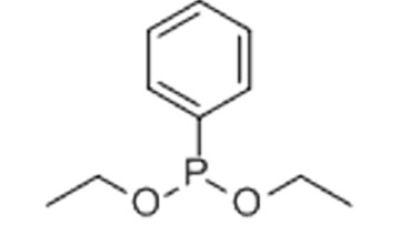
Diethyl phenyl phosphine, a vital synthesis intermediate in the production of diethyl phenyl phosphinic acid ester, is primarily sourced from trusted suppliers in China. This organic compound, available as a colorless or pale yellow liquid, features a reactive P-H bond that facilitates a wide range of chemical transformations. It is instrumental in the preparation of phosphorus-containing functional molecules, which are crucial for the development of advanced materials in the photoinitiator sector. With quality production at the forefront, manufacturers are focusing on consistency and reliability to meet the increasing demand for high-performance chemical intermediates.
As the industry evolves, the versatility of diethyl phenyl phosphine positions it as a cornerstone in the synthesis of innovative photoinitiators, highlighting its significance in shaping the future of the chemical landscape. The ongoing research and development efforts in this area promise to unlock new applications and enhance existing technologies, thereby reinforcing the compound's role in driving market trends.
FAQS
: Assess the specific compounds required for your project. Consider the synthesis method and production scale.
Quality affects the final product's efficacy. Impure intermediates can lead to drug failures.
Intermediates must comply with regulatory standards. Check for Good Manufacturing Practices (GMP) compliance.
Look for independent certifications, customer reviews, and their history of continuous improvement initiatives.
No, consider the balance between cost and quality. Cheaper options can lead to higher costs later.
Past choices can provide insights. Consider the long-term benefits and potential hidden costs.
Very important. Discrepancies in solubility or stability can cause production setbacks.
Yes, understanding their testing methods and production capacity is essential for quality assurance.
They highlight potential issues and can guide you toward a more reliable partner.
It may lead to regret. Quality issues can arise and overall production may suffer.
Conclusion
Choosing the best drug intermediates is crucial for pharmaceutical development, as these compounds serve as essential building blocks in drug synthesis. Understanding drug intermediates involves recognizing their definitions and significance in the drug manufacturing process. Identifying specific pharmaceutical needs is the first step, followed by evaluating the quality standards these intermediates must meet to ensure efficacy and safety.
Furthermore, assessing supplier reputation and reliability is vital to ensure consistent quality. A cost-benefit analysis can help balance the expenses associated with different intermediates against their potential benefits. Additionally, staying informed about regulatory compliance and safety considerations is crucial to adhere to industry standards. Finally, being aware of the latest trends and innovations in drug intermediate development can offer a competitive edge in this rapidly evolving field.