In today’s fast-moving world of electronics, picking the right Aluminum Pcb material is more important than ever if you want your projects to succeed. Industry pro Dr. Emily Chen from TechFlex Innovations highlights this nicely, saying, “Choosing the right Aluminum PCB material really impacts how well your device performs and how long it lasts.” That’s a simple but crucial point many tend to overlook.
Honestly, figuring out which Aluminum PCB material to go with can be pretty overwhelming. There are so many things to think about – like managing heat, keeping the weight down, and staying within budget. Engineers need to weigh these factors carefully because what works for one project might not be ideal for another. For example, if you want a lightweight design, that might mean sacrificing some thermal performance, especially in high-power setups. And let’s not forget, picking the wrong material could blow up your costs and cause delays.
When talking about the importance of choosing the right Aluminum PCB material, it’s not just about performance in ideal conditions. You also need to consider how it will handle different environments and stresses. Good-quality material makes a real difference when it comes to reliability, but not all suppliers are the same—some might promise quality but don’t deliver. That’s why doing your homework and chatting with experts can save you from headaches later on. Making the right choice can seriously boost your product's efficiency, but rushing it might lead to failures just down the line.
Understanding the Basics of Aluminum PCB Materials
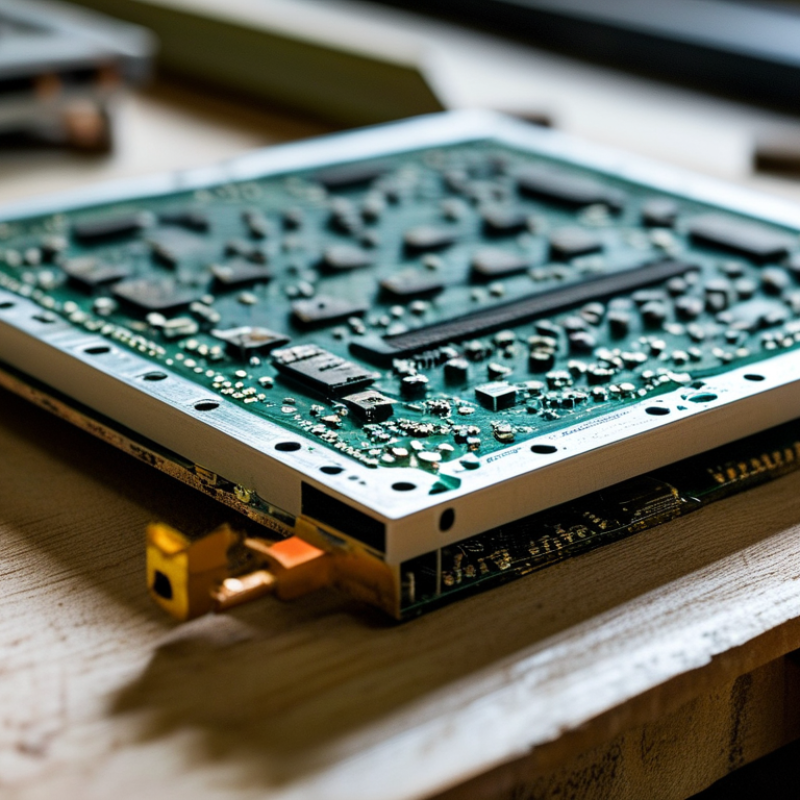
Choosing the right aluminum PCB material is crucial for your project's success. Understanding the basics of aluminum PCB materials helps in making informed decisions. Aluminum PCBs consist of three main layers: substrate, dielectric insulation, and copper foil. The substrate provides structural support, while the insulation layer enhances thermal conductivity.
Thermal management is a primary concern in electronics. According to industry reports, aluminum PCBs can dissipate heat at rates 30% higher than standard FR-4 boards. This is essential in high-power applications, where overheating can lead to failures. It’s vital to assess the thermal performance before finalizing a material.
When selecting aluminum PCB materials, consider the following tips:
- Assess the thermal conductivity of the dielectric layer. Higher conductivity means better heat dissipation.
- Review the copper thickness based on your application’s current requirements. Thicker copper can handle more power but may increase rigidity.
- Check the mechanical properties of the aluminum. Some alloys offer better strength-to-weight ratios.
Understanding these factors can enhance the reliability of your PCB design significantly. Remember that not all applications require the same material specifications. Adjust your choices based on your specific needs.
Key Properties of Aluminum PCB for Electronic Applications
Aluminum PCBs have become integral in various electronic applications. These materials offer excellent thermal conductivity, crucial for effective heat dissipation. A study from IPC states that aluminum can conduct heat five times better than FR-4, making it ideal for high-power devices. This property helps in maintaining the performance and longevity of electronic components. The ability to handle extreme temperatures adds to its appeal in sectors like automotive and LED lighting.
When selecting aluminum Pcb Materials, consider their thermal expansion characteristics. The difference between the thermal expansion of metal and semiconductor components can lead to reliability issues. A mismatch can cause mechanical stress, potentially leading to failure. Research shows that a well-matched aluminum PCB can improve the lifespan of electronic devices by up to 40%. Therefore, take time to analyze these properties when deciding on the right PCB material.
Tip: Always assess your project’s specific heat and electrical needs. Generally, a lower thermal resistance rating indicates better heat dissipation efficiency. Additionally, double-checking supplier specifications helps avoid discrepancies that could affect performance.
Types of Aluminum PCB Materials and Their Applications
When selecting aluminum PCB materials, understanding their applications is essential. Aluminum PCBs consist of a substrate layer made from aluminum, which provides excellent thermal management. This is crucial for LED lighting applications where heat dissipation is vital for performance and longevity. Various aluminum materials can offer different thermal conductivities. Choosing the right one can impact the efficiency of your project.
Different types of aluminum PCB materials serve diverse purposes. 6061 aluminum is popular for its strength and machinability, making it ideal for high-power applications. However, it may not be the best choice for projects requiring extreme thermal management. On the other hand, 5052 aluminum is known for its excellent corrosion resistance. It's suitable for outdoor applications, but again, it might not provide the optimal thermal performance required in critical electronic setups. Engineers must weigh these factors carefully.
It's common to overlook the importance of thermal conductivity when choosing Rf Pcb Material. Many assume that all aluminum materials perform similarly, but that's not the case. A project that looks perfect on paper may face unexpected challenges if the wrong material is used. Engaging with experienced professionals in the field can help to mitigate such risks. Always consider how the material choice will impact your project's overall performance.
Factors to Consider When Selecting Aluminum PCB Thickness
Choosing the right aluminum PCB thickness is critical for optimal performance. Industry reports indicate that the thickness of the aluminum layer can significantly affect heat dissipation and durability. Common thickness options range from 0.8mm to 3.2mm. Thicker boards may provide better thermal management but can increase costs.
When selecting aluminum PCB thickness, consider the application. For high-power LEDs, a thickness of 1.6mm is often sufficient. However, more demanding applications might require 2mm or greater. A study from the IPC indicates that increasing the thickness can improve thermal conductivity, but diminishing returns may occur past a certain point.
Another factor is the weight and size limitations of your project. Thicker boards can lead to increased weight, which might not be suitable for lightweight applications. Balancing thickness with performance needs is essential. Engineers must also reflect on manufacturability and assembly challenges that thicker PCBs may pose. Decisions made here require careful consideration of the specific requirements of each project.
Thermal Management in Aluminum PCB Design
When designing aluminum PCBs, thermal management is crucial. Heat dissipation affects the performance and longevity of electronic components. A poorly designed PCB can lead to overheating, resulting in system failures. Selecting the right aluminum substrate helps prevent these issues.
One essential factor is choosing the right thermal conductivity. Higher thermal conductivity materials efficiently transfer heat away from critical components. For example, Fr5 Pcb Material offers good thermal properties, making it suitable for demanding applications. This ensures that heat does not accumulate at the solder joints and sensitive components.
Tips for effective thermal management include using thermal vias. These help channel heat away from hotspots. Additionally, consider the layout of the PCB. Spacious designs with larger areas for heat dissipation work better. Lastly, monitor temperature levels using sensors. Regular checks can help identify overheating issues before they escalate. Effective thermal management not only enhances performance but also contributes to the reliability of your project.
Cost Considerations for Aluminum PCB Materials
When choosing aluminum PCB materials, cost is a significant factor to consider. The overall budget directly influences material selection. High-quality materials can drive up costs but offer better performance. This shift in material choice can lead to fluctuations in the final price of the PCB. Understandable, indeed, but it poses a challenge when balancing quality and budget.
One must weigh the benefits against expenses. Some cheaper options might compromise heat dissipation or longevity. Think carefully about project requirements before making a decision. Sometimes, the initial lower cost can lead to higher repair or replacement costs later. Investing in better materials may seem daunting, but often it pays off in the long run. Assessing these factors requires thorough market research and expertise, which can impact the project's success significantly.
Testing and Quality Control for Aluminum PCBs
Testing and quality control are critical for aluminum PCBs. These steps ensure that the material meets specific electrical and thermal requirements. For example, thermal conductivity tests help confirm that the selected aluminum PCB can dissipate heat effectively. This is especially vital in high-power applications where heat build-up can harm components.
Visual inspections are common in this process. Inspectors look for any physical defects, like scratches or missing traces. Any flaws can lead to performance issues later. Dimensional measurements are also taken to ensure the aluminum PCB fits into its designated space. It’s easy to overlook these details, but they can cause significant problems down the line.
Another important aspect is the material used. When selecting
Fr1 Pcb Material, it’s crucial to consider its properties.
Fr1 offers good insulation and fire resistance. However, it might not be suitable for all high-temperature applications. Reflecting on these choices is vital. Each decision affects the overall reliability of the PCB in practical use. Quality control is not merely a final step; it's an ongoing process that can reveal areas needing improvement.
FAQS
: Aluminum provides excellent thermal management, crucial for applications like LED lighting.
Different aluminum materials have varying thermal conductivities, impacting your project's efficiency.
A thickness of 1.6mm is often adequate for high-power LEDs, but more demanding applications may need thicker boards.
Higher thermal conductivity materials effectively dissipate heat, preventing overheating and potential system failures.
It can lead to unexpected performance issues, causing project delays or failures.
Thermal vias help channel heat away from hotspots, enhancing overall heat dissipation.
Thicker boards may increase weight, possibly making them unsuitable for lightweight applications.
Yes, thicker PCBs can pose assembly challenges, requiring careful consideration based on project needs.
Many overlook thermal conductivity differences, assuming all materials perform similarly.
Use spacious layouts, monitor temperatures, and select appropriate materials to enhance heat dissipation.
Conclusion
Choosing the right aluminum PCB material is crucial for the success of any electronic project. Understanding the basics of aluminum PCB materials, including their key properties, is essential to making informed decisions. Different types of aluminum PCB materials serve various applications, and factors such as thickness and thermal management play a significant role in performance. Additionally, cost considerations can greatly influence material selection for budget-conscious projects.
When selecting aluminum PCB materials, it is important to focus on testing and quality control measures to ensure reliability and efficiency in electronic applications. By considering these aspects, designers can effectively optimize their PCB designs for optimal thermal management and electrical performance, ultimately enhancing the overall functionality of their projects.