When it comes to global buyers, price isn't usually the only thing they consider when choosing a supplier. Sure, a drum of material might look pretty uniform at first glance, but digging a little deeper—checking the paperwork, batch consistency, or how reliably they deliver—can really tell a different story. That’s why picking a supplier for Bulk Drug Intermediates isn’t just about flipping through catalogues and making quick comparisons.
Market numbers give us the big picture, but you’ve gotta interpret them carefully. For instance, Grand View Research pegged the global API (Active Pharmaceutical Ingredient) market at about USD 226.8 billion in 2023, with an expected growth of around 6.1% each year from 2024 to 2030. But keep in mind, that figure covers APIs, not the intermediates themselves. It paints a broad picture of pharma manufacturing, not the specific size of the intermediate market. And let’s not forget, the WHO estimates that in low- and middle-income countries, roughly one out of ten medicines are either substandard or falsified. So, whether it’s quality controls or supplier qualification, these details really matter at every step.
W. Edwards Deming, a legend in quality management, famously said: “Quality cannot be inspected into a product; it must be built into it.” For buyers, that’s a reminder to ask the hard questions—Can the supplier give you traceable batch records? Are their specs clear and straightforward? How do they handle changes or delivery hiccups? Sometimes, it’s the small stuff that makes all the difference. A slick website doesn’t automatically mean they’re reliable, and certifications alone don’t answer every question. That’s why this guide looks at ten different suppliers through a buyer’s lens—covering product range, quality practices, manufacturing abilities, and communication. Use it as a starting point, but always verify their claims directly and see if each one aligns with your specific technical and quality needs.

Understanding Bulk Drug Intermediates and Their Role in Pharmaceutical Manufacturing
Understanding Bulk Drug Intermediates and Their Role in Pharmaceutical Manufacturing
Bulk Drug Intermediates are compounds processed into active pharmaceutical ingredients through controlled chemical or biological steps. They are not finished medicines. Their purity, impurity profile, and consistency can influence later manufacturing stages, including crystallization, drying, and final API testing. A small change in a starting material may affect the whole batch. That risk is easy to underestimate. ICH Q7 provides GMP guidance for API manufacturing, including controls relevant to intermediates at defined production stages. FDA’s 2019 Drug Shortages Task Force report found that 62% of drugs in shortage had three or fewer manufacturers, highlighting the value of resilient, qualified supply chains.
Buyers should assess more than price and a certificate of analysis. Review analytical methods, batch records, impurity controls, traceability, and change-notification practices. Ask how the supplier handles deviations and whether its specifications match the intended process. A document can look complete and still leave questions about how a result was produced. Qualification should include technical review and, where appropriate, an audit.
Tips: Request representative batch data and confirm critical specifications before placing routine orders. Keep a clear record of approved changes. One supplier may seem simpler, but relying on one source deserves careful reflection.
How to Evaluate a Bulk Drug Intermediates Supplier
A dependable bulk drug intermediates supplier should make quality visible in routine records, not just polished presentations. Ask for representative batch documentation, including test results, material traceability, and explanations of any out-of-specification findings. Check whether specifications are clear and consistent across documents. A small mismatch in a unit or test method deserves follow-up. It may be clerical, but assumptions can become expensive.
Evaluate how the supplier manages change control, production capacity, and communication. Request a sample quality agreement and ask how process changes are assessed and reported. During an audit, look for orderly storage, calibrated instruments, and records that staff can retrieve without long delays. Capacity claims need context: available equipment does not always mean a production slot is available. Response quality matters, too. A precise answer is more useful than a quick promise. No supplier is flawless, and overly tidy records can invite more questions, not fewer.
Tips: Compare at least two recent batch records against the agreed specification. Confirm who handles technical questions and how quickly the team responds. Ask for a realistic delivery timeline, including testing and release steps. Keep a written list of open issues; even experienced buyers can miss a detail when several documents arrive at once.
Quality Systems, Regulatory Compliance, and Documentation
When comparing bulk Drug Intermediates suppliers, examine how quality systems work on the production floor. A polished certificate means little if batch records are incomplete or sample labels do not match. Ask how staff document incoming materials, in-process checks, and final release decisions. Look for written procedures, controlled revisions, and clear responsibility for investigating deviations. Details matter. A supplier should explain how it evaluates changes to manufacturing processes and communicates them to customers. Ask for evidence, not broad assurances.
Regulatory expectations can differ by destination and product use, so buyers should confirm applicable requirements with qualified specialists. Request current specifications, safety data, certificates of analysis, and batch-specific traceability records. Check that document dates, batch numbers, and test methods align across the file. Small mismatches deserve attention. A remote audit or site visit can reveal whether recordkeeping reflects routine practice. Paperwork can still look tidy while a handoff is weak. Suppliers should describe how they protect records, manage complaints, and prevent repeat issues. Good documentation is not just a box to tick; it helps buyers make informed decisions when questions arise.
Bulk Drug Intermediate Supplier Evaluation: ICH Q7 Framework Coverage
ICH Q7 chapter counts grouped by supplier due-diligence topic. This chart maps guidance sections; it does not rate or compare individual suppliers.
Use these topics as a framework when reviewing quality systems, regulatory compliance, and supplier documentation. Chapter counts are based on the ICH Q7 guideline structure; see the ICH Quality Guidelines.
Global Sourcing Factors: Capacity, Geography, and Logistics
For global buyers, supplier capacity should mean more than a large annual figure. Ask whether a facility can support your forecast, pilot orders, and repeat production without long gaps. Request recent, product-specific capacity data and clarify how planned maintenance may affect delivery. A Drug Intermediates List is useful only when each entry includes specifications, available volumes, and realistic lead times. Small discrepancies matter.
Geography shapes both cost and reliability. A supplier near key ports may shorten transit, but inland trucking and customs processing can still add days. Check which shipping routes are available and whether the material requires temperature control or special handling. Not every route is predictable. Confirm packaging, transport conditions, export documents, and arrival responsibilities before placing an order; assumptions here can become expensive.
Logistics planning should connect production schedules with quality checks and shipment milestones. Request batch documentation, agreed release criteria, and a clear process for reporting delays or damaged packaging. Where possible, assess sample quality and communication before scaling volumes. Capacity claims may change, and even careful forecasts can miss demand shifts. Treat estimates as estimates, then review them with the supplier regularly.
Profiles of 10 Bulk Drug Intermediates Suppliers for Global Buyers
Global buyers assess bulk drug intermediates suppliers by more than price. An integrated manufacturer may offer consistent production and direct process knowledge. A custom-synthesis supplier can adapt routes, though changes may affect lead times. A fermentation specialist brings expertise in biological processes and close control of batch conditions. A scale-up partner helps move a process from pilot equipment to commercial output. Ask for realistic capacity data.
A regional distributor may simplify local communication and shipping coordination. A documentation-focused supplier can provide organized batch records, specifications, and change-control details. A multi-site producer may offer supply continuity, but buyers should confirm that sites follow comparable quality systems. A small-batch supplier can suit early demand or specialized requirements. Details matter. An export-focused supplier may understand packaging and transport planning, while a technically responsive supplier can help investigate deviations and clarify specifications.
These are supplier profiles, not endorsements or a fixed ranking. Review audit findings, sample documentation, quality agreements, and delivery history before qualifying a source. Check how the supplier handles out-of-specification results and material changes. A polished brochure is not proof. I would also compare actual response times; this is easy to overlook, and sometimes the most revealing test. A careful assessment balances technical fit, reliable records, supply capacity, and transparent communication.
Comparing Suppliers and Choosing the Right Sourcing Partner
Comparing bulk drug intermediates suppliers means looking beyond quoted price. Check whether the supplier’s process matches your specification, expected volume, and required documentation. Ask for representative certificates of analysis, impurity profiles, batch traceability, and clear change-control procedures. A Drug Substance Intermediate may meet a paper specification yet still create problems if batch-to-batch variation is poorly explained.
Quality systems deserve close attention. The FDA’s 2019 Drug Shortages Task Force report identified manufacturing quality problems as a leading cause, accounting for 62% of reported shortages. That figure does not prove any one supplier is risky, but it shows why audit findings, corrective-action records, and supply-continuity plans matter. Compare suppliers on how they investigate deviations, communicate delays, and document process changes—not just on whether they hold certificates. No scorecard is perfect.
Practical checks can reveal gaps. Ask how long routine samples take to ship, how capacity is reserved during demand peaks, and whether packaging protects material from moisture during transit. Review shipping records and test the supplier’s response to a mock disruption. A polished audit pack can still leave one awkward question unanswered: who approves a process change? Local support, backup capacity, and transparent answers may matter more than a small price difference. Allow time for technical review; rushing it is an easy mistake.
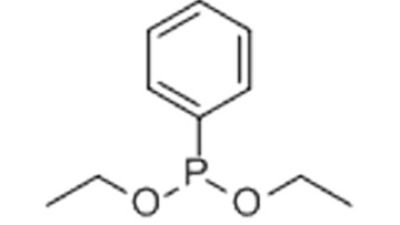
Diethyl Phenyl Phosphinic Acid Ester: A China-Based Supplier for Photoinitiator Intermediates
Diethyl phenylphosphine is a valuable synthesis intermediate for phosphorus-containing functional molecules, including compounds developed for photoinitiator-related applications. Supplied as a colorless to pale-yellow liquid, it is characterized by a reactive P–H bond that supports further chemical transformations. For buyers evaluating a China-based source, consistent quality, dependable supply, and clear specification control are important considerations when selecting an intermediate for downstream research or production.
Demand for functional coatings and printed packaging provides a broader context for this chemistry. Eurostat’s 2022 packaging-waste statistics report that the EU generated an average of 186.5 kilograms of packaging waste per person, reflecting the scale of material flows across packaging supply chains. Although this figure is not a direct measure of photoinitiator demand, it illustrates the reach of sectors that use coated and printed materials. A specialist factory producing diethyl phenylphosphine can support these value chains by providing a consistent intermediate for the preparation of phosphorus-containing molecules, with batch reliability and supply continuity suited to customers’ process requirements.
Conclusion
Bulk Drug Intermediates are essential inputs in pharmaceutical manufacturing, supporting the development of active ingredients and finished medicines. Choosing a reliable supplier involves more than comparing prices: buyers should assess technical capabilities, production capacity, consistency, communication, and the supplier’s ability to meet agreed specifications. A strong quality system, clear documentation, and appropriate regulatory compliance practices help buyers verify product quality and maintain confidence throughout the supply process.
Global sourcing also requires careful consideration of manufacturing location, lead times, shipping arrangements, and supply continuity. This overview examines ten supplier profiles in general terms and compares the factors that can distinguish potential sourcing partners, including quality practices, operational scale, geographic reach, and logistics support. By weighing these criteria against their own requirements, buyers can make a more informed choice and build a dependable, long-term supply relationship.