The world of electronics is changing pretty quickly these days. You know, Printed Circuit Boards (or PCBs for short) are really at the heart of this whole shift. Looking ahead to 2026, there are some interesting trends shaping where PCBs are headed. Big players like Flex and Jabil are leading the charge, pushing innovation in design, manufacturing, and even sustainability. It’s pretty exciting to see how they’re pushing the boundaries.
One thing that’s obvious is how tiny PCBs are becoming—miniaturization is really the name of the game now, which means designs have to be more advanced than ever. Plus, there’s a real push towards using eco-friendly materials, which makes sense given everyone’s growing concern for sustainability. And it’s not just about the materials—smart technology is getting embedded right into the PCBs, making them smarter and more capable.
Of course, these cool advancements come with their own set of challenges. The more complex the designs get, the more it strains existing manufacturing processes—so that’s a hurdle to keep an eye on.
All in all, folks working in the industry really need to stay in the loop. Being aware of these trends will help them navigate this fast-evolving space. Companies, in particular, should stay flexible and open to new tech—that’s going to be key to staying ahead. The future of PCBs definitely looks bright, but it’s going to take some thinking, creativity, and a bit of adaptability to get there. Exciting times ahead, for sure!
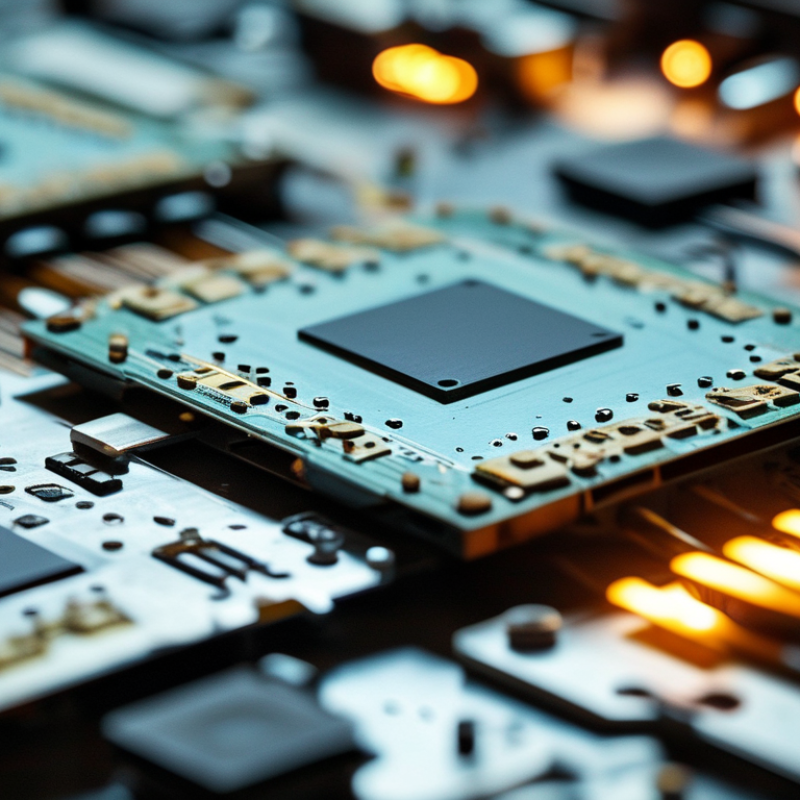
Emerging Technologies Influencing Printed Circuit Board Design in 2026
The landscape of printed circuit board (PCB) design is evolving rapidly. Emerging technologies are reshaping how designers approach PCB layouts. For instance, artificial intelligence (AI) is now assisting in optimizing designs. AI algorithms can predict potential failure points and suggest alterations. This minimizes errors and enhances performance. Designers find themselves relying more on software that aids in simulation and testing.
Another trend is miniaturization. As devices become smaller, the need for compact PCB designs grows. Innovations like flexible PCBs provide solutions for this challenge. These boards can fit into tight spaces, meeting the demands of modern gadgets. Yet, this trend prompts questions about durability and reliability. Designers must balance size with functionality.
Sustainable materials are gaining traction as well. Eco-friendly options are now a priority during production. This shift challenges traditional practices but opens up new avenues for innovation. There’s a growing need for education on these sustainable materials. While the benefits are clear, understanding their limitations is essential for responsible use. As these technologies advance, so must our approach to design and development.
Sustainability Trends in PCB Manufacturing and Material Selection
In recent years, sustainability has become a pivotal focus in PCB manufacturing. A Printed Circuit Board can now be crafted using eco-friendly materials. Biodegradable substrates and lead-free soldering processes are gaining traction. Manufacturers are exploring natural fiber composites. These alternatives pose fewer risks to the environment.
Recycling is another critical element in this evolution. Many manufacturers are now looking into closed-loop systems. This approach minimizes waste and promotes material recovery. Implementing efficient recycling methods can reduce costs in the long run. However, the challenge lies in ensuring quality while maintaining sustainability.
The industry also faces scrutiny regarding energy consumption. Many PCB manufacturers are turning to renewable energy sources. This shift aims to lower their carbon footprint. Yet, these adjustments can lead to initial financial strain. The path to sustainability is still evolving. Balancing performance and environmental responsibility is an ongoing debate. There is much to reflect on as the industry adapts.
Advancements in PCB Fabrication Techniques for Enhanced Performance
Advancements in PCB fabrication techniques are reshaping the electronics industry. As the demand for more efficient and compact designs grows, new methods are emerging. These techniques enhance circuit density and performance while reducing costs.
The innovation of additive manufacturing is a prime example. This technique allows for precision in creating complex geometries. Moreover, processes like direct imaging improve layer alignment and reduce defects. Integrating materials that offer better thermal management is key. This enhances performance while ensuring reliability.
Tips: Consider the long-term effects of your PCB choices. Assess how new materials can impact heat dissipation. For projects involving Rf Printed Circuit Board designs, prioritize materials with lower signal loss. It is essential to evaluate the possible challenges during implementation. Some designs may require revisiting your initial plans. Always test prototypes thoroughly to uncover issues before full-scale production.
The Role of AI and Automation in PCB Production Processes
The integration of AI and automation in PCB production is transforming the industry. Advanced technologies streamline design, manufacturing, and testing. According to a recent IPC report, 73% of companies are investing in automation to increase efficiency. AI algorithms optimize layout designs, reducing errors. These innovations lead to shorter production cycles and lower costs.
Automation helps in assembling multiple components simultaneously. This parallel processing minimizes human error and accelerates production. Data from the Electronic Components Industry shows that automated processes can reduce assembly times by 30%. However, the shift to automation raises concerns. Companies need to balance efficiency with the potential loss of skilled jobs.
While AI can significantly enhance quality control, it is not without flaws. Algorithms must be trained on diverse datasets to avoid biases. Failure to account for varied manufacturing scenarios may lead to defects. As the industry embraces AI, constant evaluation and adaptation will be essential.
Key Market Drivers Impacting the PCB Industry in 2026
The printed circuit board (PCB) industry is poised for significant change in 2026. Key market drivers will shape its trajectory. One notable factor is the rise of automation in manufacturing processes. Increased efficiency requires PCBs that can support advanced technologies. This demand translates to a focus on miniaturization and higher circuit density.
Environmental concerns are also driving change. Manufacturers are adopting eco-friendlier materials and processes to reduce their carbon footprint. This shift not only meets regulatory demands but also appeals to consumers who prefer sustainable options. Companies must stay informed about these trends to remain competitive.
Tips: Consider investing in training programs that enhance skills in sustainable PCB design. Utilize simulation software to test designs efficiently. Engaging with industry experts can provide insights into emerging technologies that can influence future designs. Balancing innovation with reliability will be critical in this evolving landscape.
Trends in PCB Layout and Miniaturization for Modern Electronics
The landscape of PCB layout and miniaturization is evolving rapidly. As electronics demand smaller, more efficient designs, 3d Printed Circuit Boards (PCBs) have emerged as a game-changer. A recent industry report highlights that the global market for 3D PCBs is projected to reach $2.5 billion by 2026. This growth is driven by advancements that allow for complex interconnections without increasing size.
In recent years, companies have adopted technologies to create denser layouts. High-density interconnect (HDI) technology significantly reduces the space necessary for circuits. Research indicates that HDI boards can achieve wiring capacities up to 50% higher than conventional designs. However, the challenge remains in ensuring reliability with such compact arrangements. Engineers must consider thermal management and electrical performance in these designs.
Tip: When designing tightly packed circuits, always conduct thermal simulations. This will help identify potential overheating issues before production.
Another important trend is the integration of IoT devices into PCB design. With the increase of connected devices, miniaturization plays a pivotal role. A report from a leading market analyst forecasts a 25% increase in IoT device deployment by 2025. Designers must rethink component placement and PCB shapes to accommodate these shifting needs while maintaining signal integrity.
Tip: Keep a close eye on the layout during the early design phase. Early mistakes can mean costly redesigns later.
2026 Top Printed Circuit Board Trends
This chart illustrates the projected growth in various PCB trends for 2026 based on market analysis and technological advancements.
Future-Proofing Your PCB Designs: Standards and Best Practices
As the landscape of electronics evolves, future-proofing your PCB designs is crucial. Recent reports indicate that the global PCB market is expected to reach $85 billion by 2026, underlining the importance of innovation in Printed Circuit Board Use. Adopting industry standards and employing best practices can help manufacturers stay competitive. Focus on design for manufacturability (DFM) to minimize production issues and ensure reliable performance. Utilizing simulation tools early in the design phase can significantly reduce costly iterations.
Companies should also consider sustainable materials. A report by IPC shows that eco-friendly PCBs account for a rising 30% of the market. Exploring biodegradable laminates may offer advantages for both the environment and the end user. Regularly updating your knowledge of compliance standards, such as IPC-A-610 for acceptability, is vital. These revisions might be subtle but critical for staying relevant.
Flexibility in design is another area that requires attention. Many designers still rely on outdated processes that can limit creativity. Adopting modular designs allows for easy upgrades and modifications. However, it is important to also incorporate feedback loops to refine designs continually. This ongoing process can help identify weak points and push your PCB designs toward excellence. Balancing static and dynamic elements in Printed Circuit Board Use will aid long-term success in this competitive field.
2026 Top Printed Circuit Board Trends You Need to Know
| Trend |
Description |
Impact |
Best Practice |
| Flexible PCBs |
Increased use of flexible materials for compact and lightweight designs. |
Enhances product portability and application versatility. |
Incorporate flex testing during design validation. |
| Eco-Friendly Materials |
Adoption of materials that are less harmful to the environment. |
Reduces negative environmental impact and regulatory risks. |
Use certifications to ensure material compliance. |
| Advanced Thermal Management |
Innovative designs to dissipate heat more effectively. |
Improves reliability and performance of electronic components. |
Simulate thermal performance during design phase. |
| High-Frequency PCB Design |
Designs catering to RF and high-speed applications. |
Ensures signal integrity in advanced communication devices. |
Implement QFN packaging techniques for better performance. |
| Automation in PCB Manufacturing |
Increased automation in assembly and production processes. |
Enhances efficiency and reduces production costs. |
Invest in smart manufacturing technologies. |
FAQS
: New methods improve circuit density and performance while reducing costs. Additive manufacturing and direct imaging play key roles.
It offers precision for complex geometries, enhancing overall design capabilities. This leads to better product performance.
Materials that improve thermal management ensure reliability. They help avoid overheating, which can damage circuits.
Assess materials' impact on heat dissipation. It's crucial to think ahead about performance and reliability.
Adopting industry standards and best practices is essential. This minimizes production issues and enhances reliability.
Outdated processes limit creativity. Modular designs allow for easy upgrades and continuous improvement, which is beneficial.
They help identify issues early and reduce costly iterations. Early testing is vital for successful outcomes.
Eco-friendly PCBs account for about 30% of the market. Sustainable materials are becoming increasingly important for manufacturers.
Incorporating feedback helps refine designs continuously. This process identifies weaknesses and drives innovation.
Understanding standards like IPC-A-610 is vital. Regular updates ensure that designs meet current acceptability requirements.
Conclusion
The article "2026 Top Printed Circuit Board Trends You Need to Know" explores the significant changes and advances shaping the Printed Circuit Board (PCB) industry in 2026. Key trends include the rise of emerging technologies that are influencing PCB design, an increased focus on sustainability in manufacturing and material selection, and innovations in fabrication techniques aimed at enhancing performance. Additionally, the integration of AI and automation in production processes is transforming how PCBs are made, addressing the need for efficiency and accuracy.
As the industry evolves, understanding the key market drivers, trends in PCB layout, and miniaturization is crucial for modern electronics. The article also emphasizes the importance of future-proofing PCB designs through adherence to new standards and best practices, ensuring they meet the demands of a rapidly changing technological landscape. These insights are essential for anyone looking to stay ahead in the dynamic field of Printed Circuit Boards.